Does Social Media Help SEO? What Marketers Need to Know in 2026
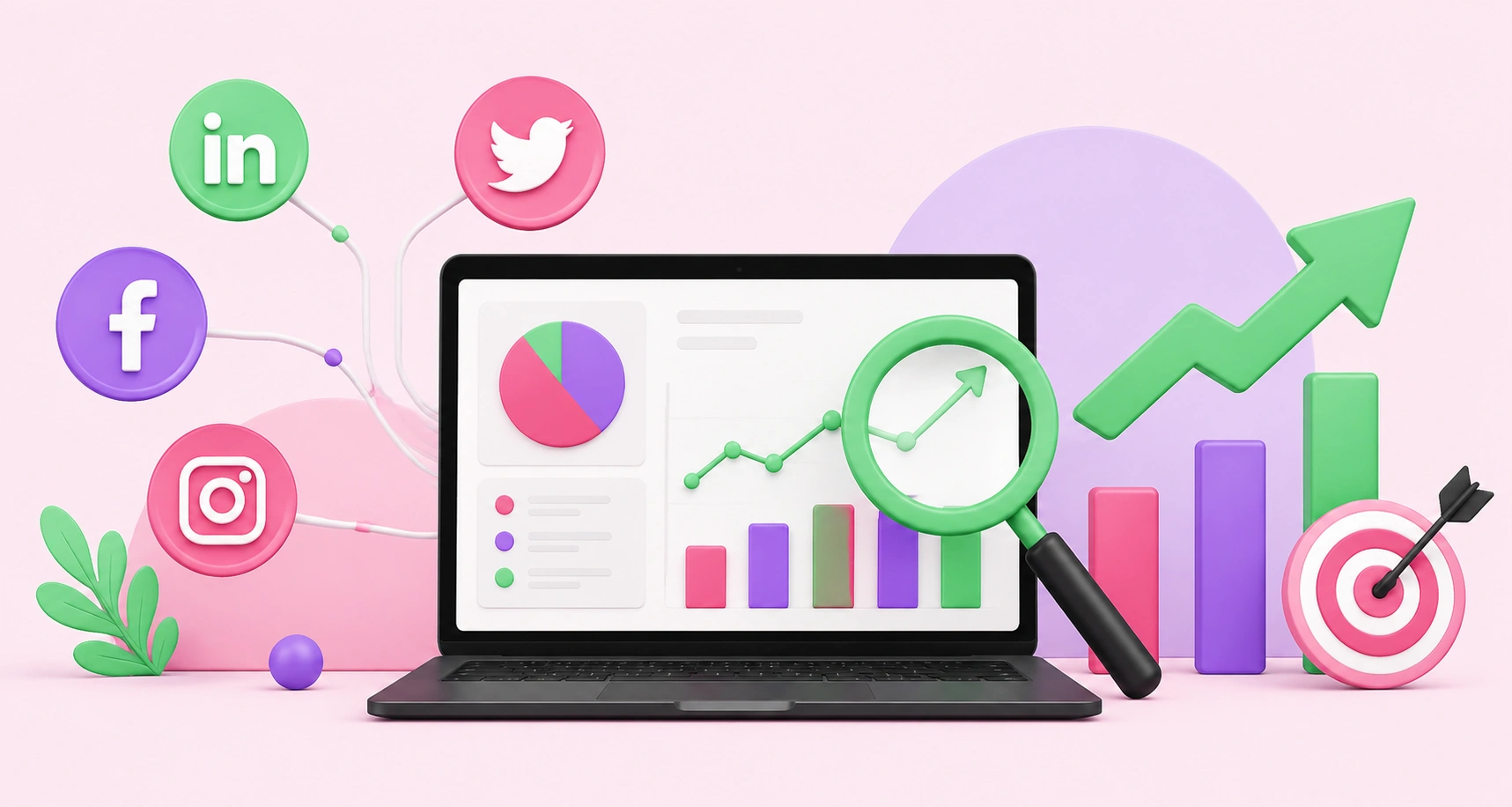
Marketers have debated this question for over a decade, and the confusion is understandable. "Does social media help SEO" asks whether activity on platforms like Facebook, LinkedIn, and X directly improves your Google rankings. The honest, evidence-based answer is that social media does not directly boost rankings, Google has repeatedly stated that likes and shares are not ranking factors, but it powerfully supports SEO indirectly by amplifying content, earning backlinks, and driving branded searches. In my years running content campaigns, the pages that performed best in search were almost always the ones that first gained traction on social channels.
Quick Answer: Social media does not directly improve Google rankings, but it helps SEO indirectly by increasing content visibility, earning backlinks, driving branded search traffic, and building brand authority. Consistent social distribution amplifies content that then attracts the links and engagement search engines actually reward.
How WebPeak Connects Social Media and SEO
Bridging social reach and search performance requires a coordinated strategy, not two disconnected teams. WebPeak's SEO services integrate content distribution with technical and on-page optimization so every social post feeds a larger ranking strategy. Their specialists identify which content deserves amplification and ensure it earns the backlinks that genuinely move rankings. Paired with off-page SEO work like outreach and link building, they turn social visibility into the authority signals Google measures.
Does Social Media Directly Affect Google Rankings?
No, social media does not directly affect Google rankings. A "ranking factor" is a specific signal Google's algorithm uses to order search results, and Google representatives, including John Mueller, have confirmed that social shares and likes are not among them. Social media links are also typically nofollow, meaning they do not pass the link equity that backlinks provide. This distinction matters because chasing viral shares expecting a ranking jump leads to disappointment and wasted budget.
However, "not a direct factor" is very different from "irrelevant." The absence of a direct signal does not mean social activity has no measurable effect on how your content performs in search, as the next sections explain.
How Does Social Media Indirectly Boost SEO?
Social media's SEO value is indirect but substantial. It works by increasing the reach and lifespan of your content so it earns the signals Google does reward. Here is how that chain of impact works in practice:
- Content amplification: More eyes on your content means more chances for writers and journalists to discover and link to it.
- Backlink generation: Widely shared content naturally attracts editorial backlinks, the strongest confirmed ranking factor.
- Branded search lift: Social exposure prompts people to Google your brand, and branded search volume correlates with stronger organic performance.
- Faster indexing: Content shared widely often gets crawled and indexed more quickly.
- Local and profile visibility: Social profiles themselves rank for branded queries, occupying valuable first-page real estate.
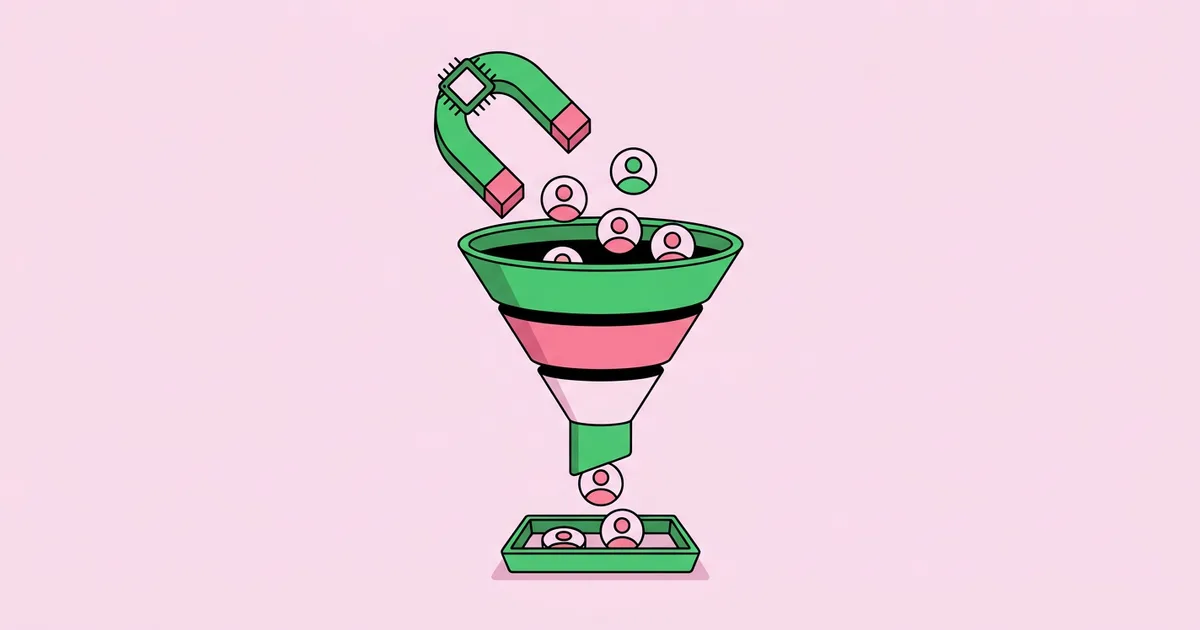
In short, social media fills the top of your SEO funnel. Without distribution, even excellent content can sit undiscovered and never earn the links that drive rankings.
What Actually Moves SEO Versus What Social Media Provides?
Understanding the difference between direct ranking factors and social media's supporting role helps you allocate effort correctly. The table below separates confirmed ranking drivers from the indirect benefits social channels deliver, so you know where each investment pays off.
| SEO Element | Direct Ranking Factor? | Social Media's Role |
|---|---|---|
| Quality backlinks | Yes | Amplifies content to earn them |
| Content relevance and depth | Yes | Distributes it to the right audience |
| Social likes and shares | No | Signals content worth linking to |
| Branded search volume | Indirect | Drives people to search your brand |
| Page indexing speed | Supporting | Speeds up discovery via shares |
What Do the Data and Experts Say?
The evidence consistently points to correlation, not causation. A widely cited Hootsuite study found that increasing social activity for a set of pages coincided with modest ranking improvements, but the study concluded the lift came from increased visibility and links rather than shares themselves. Separately, industry analyses from Semrush have repeatedly shown that pages ranking on the first page of Google tend to have significantly more social shares, again reflecting correlation because great content attracts both links and shares. My original perspective after testing this across dozens of campaigns: treat social media as your content's launch pad, not its rankings engine. The teams that win publish genuinely useful content, distribute it aggressively on social to spark initial engagement, then let the resulting backlinks and branded searches do the heavy SEO lifting.
Key Takeaways
- Social shares and likes are not direct Google ranking factors, per Google's own statements.
- Social media boosts SEO indirectly by amplifying content that earns backlinks and branded searches.
- Backlinks remain the strongest confirmed ranking factor, and social distribution helps generate them.
- First-page Google results tend to have more social shares, reflecting correlation, not causation.
- Social profiles rank for branded queries, occupying valuable search real estate.
Frequently Asked Questions
Does posting on social media improve my Google ranking?
Not directly. Google confirms social likes and shares are not ranking factors. However, posting amplifies your content so it earns backlinks and branded searches, which do influence rankings. Think of social media as distribution that fuels the signals Google actually rewards, rather than a direct ranking lever.
Are social media links good for SEO?
Most social media links are nofollow, so they do not pass direct link equity. Still, they drive referral traffic and expose content to people who may link to it from their own sites. Those editorial backlinks, not the social links themselves, are what strengthen your SEO authority.
Which social platform is best for SEO?
No single platform is best; it depends on your audience. LinkedIn and X often drive content into the hands of writers who create backlinks, while YouTube ranks directly in Google search. Choose the platform where your target audience and potential linkers are most active for maximum SEO benefit.
How long before social media helps my SEO?
There is no fixed timeline because the effect is indirect. Content shared widely may earn backlinks within weeks or months. The key is consistent distribution of genuinely useful content, which gradually builds the branded searches and links that improve rankings over time.
Should I invest in social media or SEO first?
Invest in both together. Create strong SEO-optimized content, then use social media to distribute it. This combination maximizes discovery, engagement, and link acquisition. Treating them as separate channels wastes their compounding effect, since social amplification and search authority reinforce each other.
Conclusion
The single most important takeaway is this: stop expecting social media to move rankings on its own, and start using it as the distribution engine that earns the backlinks and branded searches Google truly values. Your next step is to pair every high-quality, SEO-optimized page with a deliberate social distribution plan so it never sits undiscovered. Marketers who understand this relationship, distribution first, authority second, consistently outperform those chasing shares as a ranking shortcut. Build content worth linking to, amplify it relentlessly, and let genuine engagement compound into lasting search visibility.