
Artificial Intelligence Landscape Design: A Practical Guide to AI-Powered Yards and Gardens
Artificial intelligence landscape design helps you map, plant, and render a yard before digging. See the best tools, real limits, and a step-by-step process.
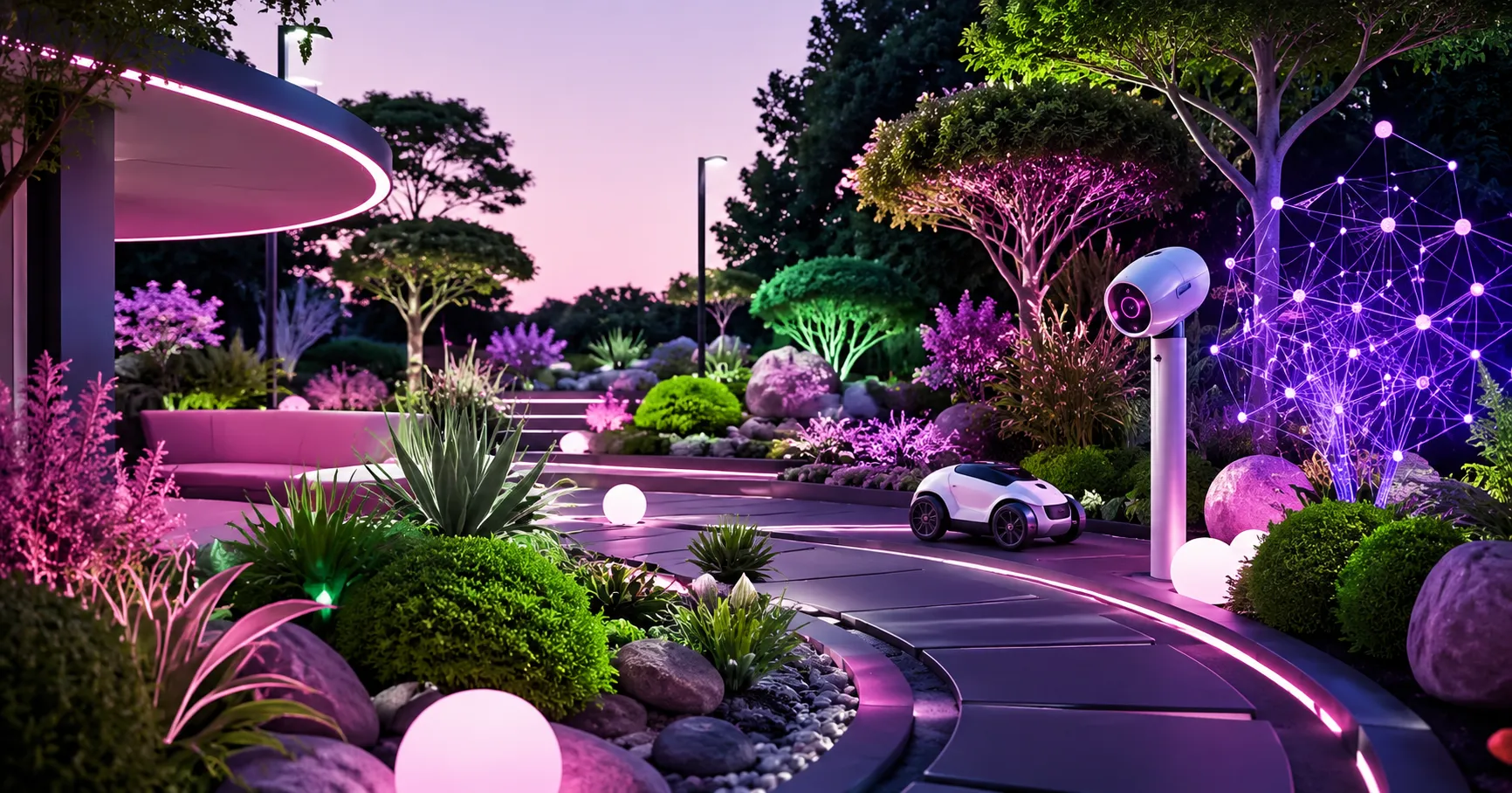
Artificial Intelligence Landscape Design: A Practical Guide to AI-Powered Yards and Gardens
In November 2023 the United States Department of Agriculture released an updated Plant Hardiness Zone Map, and roughly half the country shifted into a warmer half-zone compared with the 2012 edition. That single change made thousands of older planting guides partly obsolete and illustrates why landscape planning now benefits from software that can process current data quickly. Artificial intelligence landscape design refers to tools that use machine learning and generative models to analyze a site, recommend plants suited to its climate and conditions, and produce realistic renderings of proposed gardens, patios, and yards before any ground is broken. Unlike interior design, a landscape is a living system that changes with seasons and years, which makes AI both more useful and more prone to misleading results. This guide explains what the technology genuinely does, which tools fit each stage, and how to avoid the mistakes that make AI renders look nothing like the garden you end up with.
Quick Answer: Artificial intelligence landscape design uses software to analyze a yard's dimensions, sun exposure, and climate zone, suggest suitable plants, and generate realistic renderings of proposed designs. It speeds up visualization and plant selection dramatically, but it cannot assess soil, drainage, or plant growth over time, so AI concepts should be verified with site testing and horticultural knowledge.
How WebPeak Helps Landscape Companies Turn AI Designs Into Clients
Landscape firms increasingly win jobs by showing a homeowner what their yard could become before a contract is signed. This is where a global digital agency like WebPeak fits into the workflow: they build the digital front door that turns AI-generated concepts into booked consultations. Their WordPress development team creates portfolio sites where before-and-after renders load quickly and lead directly to a quote form, while their AI solutions can integrate photo-based redesign tools tied to a company's actual plant palette and hardscape materials. Because seasonal transformations are inherently visual, their social media post and banner design service packages those renders into content that keeps a landscaping brand visible during the off-season, when homeowners are planning next spring's project.
What Does AI Landscape Design Actually Do?
AI landscape tools perform four distinct jobs, and each has a different level of reliability. Site analysis tools use satellite imagery, phone photos, or augmented reality scans to estimate yard dimensions and sometimes map sun and shade patterns across the day. Plant selection engines filter databases by hardiness zone, light, and water needs to suggest species that should survive in a given location. Generative renderers restyle a photo of the existing yard with new plantings, paths, and patios. Plant identification apps such as PlantNet, a citizen-science project, and PictureThis use image recognition to name existing plants so you know what you are keeping or removing.
Three terms help evaluate any output. A hardiness zone is a geographic band defined by average annual minimum winter temperature; the USDA map divides the United States into 13 zones, each split into 5-degree half-zones. Hardscape means the built, non-living elements such as patios, walls, and paths, while softscape means the plants, lawn, and soil. Xeriscaping is landscape design that minimizes irrigation through drought-tolerant plants and efficient layout, an approach increasingly relevant across the western United States.
The practical limitation is time. A render shows a garden at a single, usually mature, moment. Real plants arrive small, grow at different rates, and either fill in beautifully or crowd each other out within five years. AI tools currently have no reliable way to model that growth, which is why every AI-generated planting plan should be reviewed for mature spread and height.
Step-by-Step: Designing a Yard With AI Tools
This sequence produces a plan you can hand to a contractor or install yourself, while using AI where it adds the most value.
- Confirm your hardiness zone and microclimate. Look up your address on the current USDA map, then note frost pockets, reflected heat from walls, and wind exposure that make parts of your yard warmer or colder than the zone suggests.
- Capture the site. Photograph the yard from the main viewpoints, including from inside the house, and use a measuring app or tape to record boundaries, slopes, and existing features that must stay.
- Test the soil. A basic soil test from a local agricultural extension office reveals pH and drainage, information no AI tool can infer from a photo.
- Identify what you have. Use a plant identification app on every existing shrub and tree so you can decide what to keep with real knowledge of its needs.
- Generate design concepts. Run your photos through a restyling tool with prompts describing your goals, such as low-water, pollinator-friendly, or family lawn with a dining patio. Produce several variations.
- Translate concepts into a plant list. Use a zone-filtered plant database to replace generic AI plants with real species, recording mature height and spread for each.
- Lay out hardscape to scale. Draw paths and patios in a dimensioned planner, checking that walkways are at least 3 feet wide and that grading directs water away from the house.
- Phase the installation. Install hardscape and trees first, then shrubs, then perennials and lawn, so the most permanent elements are placed while the site is still accessible to machinery.
Comparing AI Landscape Design Tools
Each tool below serves a particular stage. Choosing by stage rather than by popularity prevents wasted subscriptions.
| Tool | What it does | Best for | Main limitation |
|---|---|---|---|
| iScape | Augmented reality overlay of plants and hardscape on a live camera view | Quick on-site visualization of plant placement | Plant library and scaling depend on careful camera use |
| Neighborbrite and similar photo restylers | Generative redesign of a yard photo from style prompts | Fast concept exploration and client presentations | Plants shown are generic; no zone or growth accuracy |
| Yardzen | Online design service combining technology with human designers | Complete plans with real plant lists and contractor matching | Paid service; turnaround measured in weeks |
| Planner 5D and Homestyler | Dimensioned 3D planning with outdoor libraries | Laying out patios, paths, and beds to scale | Limited horticultural data on plants |
| Midjourney and general image generators | Text-to-image concept creation | Mood boards and style direction | No dimensions, no real species, invents impossible features |
| Google Earth and local GIS maps | Satellite imagery, elevation, and property boundaries | Site orientation, slope, and sun-path analysis | Imagery may be outdated; not a design tool |
A strong practical combination is satellite imagery for orientation, a photo restyler for concepts, a zone-filtered plant database for the real list, and a dimensioned planner for the hardscape.
Data, Climate Shifts, and What Experienced Designers Notice
Two verifiable data points shape modern landscape decisions. First, the USDA's 2023 Plant Hardiness Zone Map, built from 30 years of temperature data across thousands of weather stations, moved about half of the country into a warmer half-zone. Plant recommendations from older books or older software versions may therefore be conservative or simply wrong for your location. Second, the United States Environmental Protection Agency's WaterSense program reports that outdoor water use accounts for roughly 30 percent of total household water use nationally and can reach as much as 60 percent in arid regions. Plant selection and irrigation layout are therefore financial and environmental decisions, not just aesthetic ones.
Expert analysis from reviewing AI-generated landscape plans reveals recurring blind spots. Renders almost always show plants at full maturity on installation day, which leads homeowners to underestimate spacing and overplant. They ignore drainage entirely, placing patios where water pools and beds where downspouts discharge. They rarely account for the shade a new tree will cast in ten years, turning a sun-loving perennial bed into a struggling one. And they favor visually dramatic species regardless of whether those plants are invasive or unsuitable in the local ecosystem, a check that native plant societies and extension offices can perform in minutes.
In practice, homeowners and firms that use AI as a communication tool rather than a decision tool get the best results. A render aligns a family, or a client and a contractor, on a shared vision faster than any sketch. Landscape businesses that publish these transformations consistently, often with help from specialists in social media management, tend to build steady inquiry pipelines because the before-and-after format is inherently shareable. The horticulture, however, still comes from people who have watched plants grow.
Key Takeaways
- Artificial intelligence landscape design tools excel at site visualization, plant filtering, and concept generation but cannot assess soil, drainage, or plant growth over time.
- The USDA's November 2023 Plant Hardiness Zone Map shifted about half the United States into a warmer half-zone, making older plant recommendations potentially outdated.
- EPA WaterSense reports outdoor water use at roughly 30 percent of household use nationally and up to 60 percent in arid regions, so plant and irrigation choices carry real cost.
- Use satellite imagery for orientation, photo restylers for concepts, zone-filtered databases for the real plant list, and dimensioned planners for hardscape.
- Always check AI plans for mature plant spread, drainage, future shade, and invasive species before installing anything.
Frequently Asked Questions
Can AI design my backyard from a photo?
Yes, photo-restyling tools can generate several redesigned versions of your yard from a single picture in minutes. These are concepts, not plans: the plants shown are generic and the dimensions are approximate. Use them to settle on a style, then build a real plant list and scaled layout using zone data and measurements.
How do I know which plants will survive in my yard?
Start with your USDA hardiness zone from the 2023 map, then refine by the light, moisture, and soil conditions in each part of your yard. Zone-filtered plant databases and AI selection tools narrow the options quickly. Confirm final choices with your local agricultural extension office, which knows regional pests, diseases, and invasive species.
Are AI landscape design tools free?
Many offer free tiers. Photo restylers usually allow a few free generations, plant identification apps have free versions, and satellite imagery is free through Google Earth. Full design services with human review, such as Yardzen, are paid. For most homeowners, free tools cover concept and planning, with paid help reserved for complex sites.
What do AI landscape renders get wrong most often?
They show plants at mature size on day one, which causes overplanting; they ignore drainage and grading; they overlook the shade new trees will cast in future years; and they may include species that are invasive or unsuited to your region. Reviewing a render against these four issues catches most problems before installation.
Should I hire a landscape designer if I use AI tools?
For small beds and simple patios, AI tools plus a soil test and a zone-checked plant list are often enough. For projects involving grading, retaining walls, drainage, irrigation, or mature trees, a professional designer protects you from expensive mistakes. Arriving with AI concepts makes that professional time far more productive and focused.
Conclusion
The decisive insight about artificial intelligence landscape design is that it answers the question of what you want your yard to look like far better than the question of what will actually grow there. Let AI carry the visualization and the first pass at plant selection, then anchor every decision in your current hardiness zone, a soil test, and honest attention to how plants mature. Your next step is concrete: look up your address on the 2023 USDA map, photograph your yard from the kitchen window, and generate three concepts this weekend. Bring the one you love to a local nursery or designer, and the render becomes the beginning of a garden rather than a picture of one.
Related articles
 Artificial Intelligence
Artificial Intelligence and Machine Learning Jobs in 2026: Roles, Salaries, and How to Get Hired
Explore artificial intelligence and machine learning jobs in 2026: top roles, salaries, required skills, and a step-by-step path to land your first AI job.
 Artificial Intelligence
Artificial Intelligence Pen: How AI Smart Pens Turn Handwriting Into Searchable Digital Notes
Discover how an artificial intelligence pen turns handwriting into searchable digital notes, records synced audio, and which type fits your workflow best.
 Artificial Intelligence
Artificial Intelligence Kitchen Design: How to Plan a Smarter Kitchen With AI Tools
Artificial intelligence kitchen design turns photos and measurements into layouts and renders. Learn which tools work, what they miss, and how to plan wisely.