
AI Link Building: How to Use an AI Link Strategy to Earn Backlinks That Last
Learn how AI link building works, which AI link tools are worth using, and how to earn backlinks that survive Google's spam updates in 2026. Practical guide.
AI Link Building: How to Use an AI Link Strategy to Earn Backlinks That Last
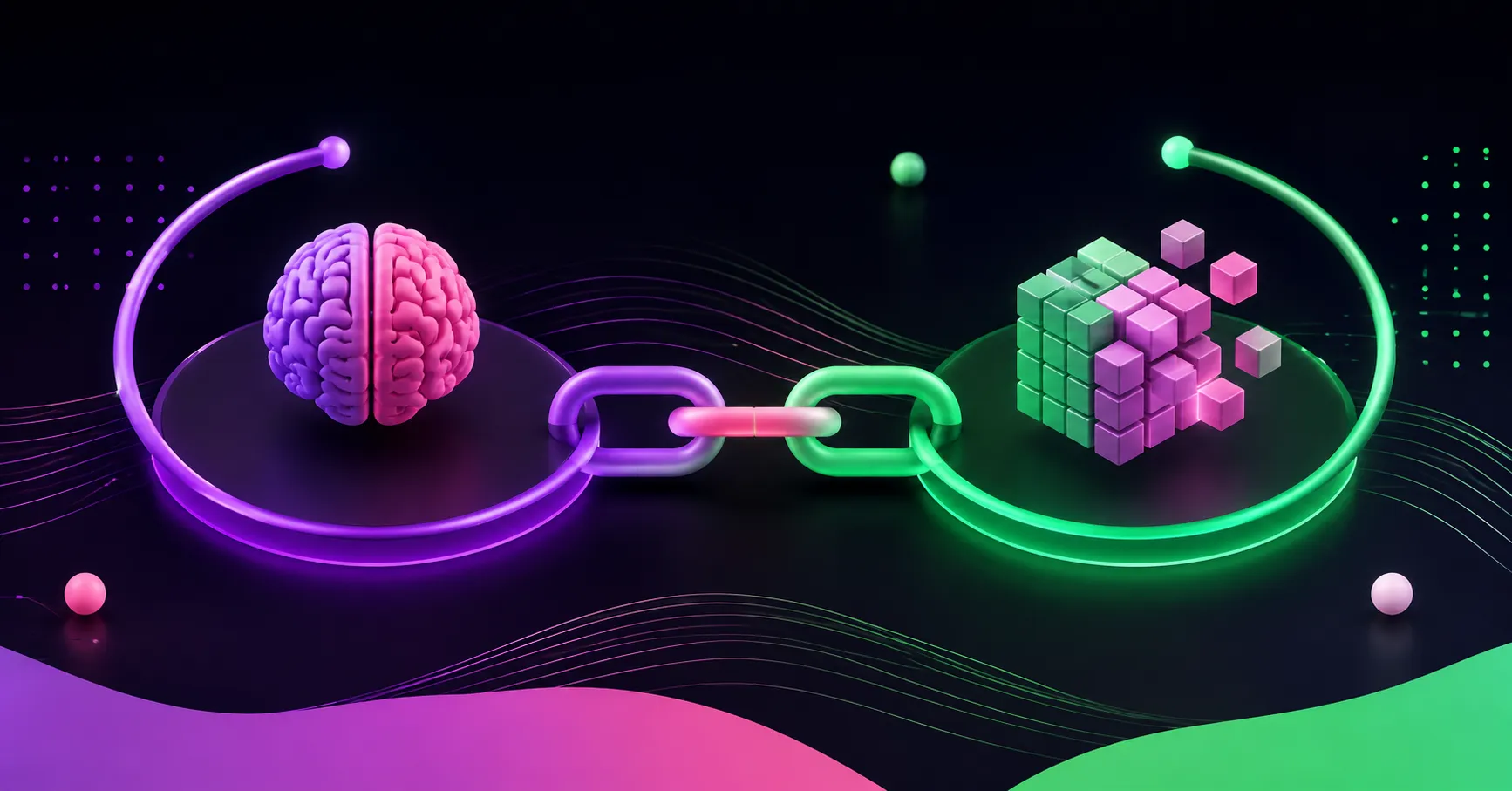
An AI link strategy uses artificial intelligence to research, plan, and scale the work of earning backlinks and structuring internal links, while humans keep control of outreach, relationships, and quality. Backlinks remain one of the clearest signals Google uses to judge whether a page deserves to rank, yet the manual process of finding prospects, writing pitches, and auditing link profiles has always been slow. Large language models and machine learning tools now compress that work from weeks into hours, but they also make it easier to produce exactly the kind of spammy, automated links Google's link spam policies target. This guide explains what AI link building actually is, where it genuinely helps, where it quietly hurts, and how to build a process that survives algorithm updates.
Quick Answer: AI link building uses machine learning and language models to find link prospects, analyze competitor backlinks, draft personalized outreach, and map internal links at scale. It works when AI handles research and first drafts while humans verify relevance, build relationships, and approve every placement. Fully automated link generation still violates Google's spam policies.
How WebPeak Turns AI Link Research Into Earned Backlinks
Most teams stall at the gap between AI-generated prospect lists and links that actually get placed. WebPeak closes that gap by pairing machine-assisted research with editorial outreach run by people who understand a client's niche. Their artificial intelligence services team builds custom prospecting and content-gap models, while their SEO specialists qualify every domain by hand for topical fit, traffic, and editorial standards. For WordPress clients, their WordPress development team also fixes the technical issues, such as broken internal links and orphan pages, that waste the authority a new backlink brings. The result is a link profile that grows from relevance rather than volume.
What Does "AI Link" Actually Mean in SEO?
In SEO conversations, "AI link" refers to two distinct practices that are often confused. The first is AI-assisted link building: using language models and data tools to speed up backlink acquisition. The second is AI-generated linking: software that automatically inserts links into content or publishes AI-written articles purely to host links. A backlink is a hyperlink from an external website pointing to yours, and Google treats it as a vote of confidence when it appears editorially. An internal link connects two pages on the same site and distributes authority and crawl priority. AI is genuinely useful for both, but only the assisted version aligns with Google's guidance, which explicitly names automated programs that create links to your site as a form of link spam. The practical test is simple: if a human editor at the linking site would not have chosen to link to your page without automation, the link is a liability rather than an asset.
A Step-by-Step AI Link Building Workflow That Stays Compliant
The safest way to use AI for links is to assign it the repetitive analytical steps and reserve judgment calls for people. The following workflow reflects how experienced SEO teams structure the process today.
- Audit your existing profile first. Export backlinks from Google Search Console or a commercial index, then use an LLM to classify anchors by intent and flag suspicious patterns like exact-match anchor clusters from unrelated domains.
- Mine competitor gaps. Feed the referring domains of three to five ranking competitors into a model and ask it to group them by site type, topic, and likely acquisition method (guest post, resource page, digital PR, or citation).
- Score prospects for relevance, not just authority. Prompt the AI to compare each prospect's recent articles with your target page and return a topical-fit score with a one-line justification you can verify.
- Create a linkable asset worth citing. Use AI to identify questions competitors leave unanswered, then have a subject-matter expert write the definitive answer, original research, or free tool.
- Draft outreach, then personalize by hand. Let the model produce a first draft referencing the prospect's specific article, but add one genuine sentence yourself. Editors can spot templated pitches instantly.
- Map internal links with AI. Ask a model to read your sitemap and suggest contextual internal links between semantically related pages, then implement the ones that make sense for readers.
- Monitor and prune. Schedule a monthly review that flags lost links, new toxic referrers, and anchor-text drift.
AI Link Tools Compared: Where Automation Helps and Where It Hurts
Not every AI link tool carries the same risk profile. The table below groups common tool categories by what they automate, the level of human oversight they require, and the compliance risk if used carelessly.
| Tool Category | What AI Automates | Human Oversight Needed | Compliance Risk |
|---|---|---|---|
| Backlink audit assistants | Anchor classification, toxicity flags, disavow suggestions | Review flags before disavowing | Low |
| Prospect discovery models | Competitor gap analysis, topical scoring | Verify site quality manually | Low to medium |
| Outreach drafting assistants | Personalized first drafts, follow-up sequencing | Edit every message, own the relationship | Medium |
| Internal link mappers | Semantic page matching, anchor suggestions | Approve links for reader value | Low |
| Automated link insertion networks | Publishing AI articles with embedded links | None, which is the problem | High |
The pattern is clear: tools that analyze and suggest are safe, while tools that publish or place links without review are the modern equivalent of link farms.
What Google's Own Guidance and Field Experience Tell Us
Google's spam policies state that any links intended to manipulate rankings in Google Search may be considered link spam, and the December 2022 link spam update introduced SpamBrain, an AI-based system that detects and neutralizes unnatural links rather than simply penalizing them. Neutralization matters strategically because it means purchased or automated links often produce no gain at all, quietly wasting budget rather than triggering an obvious penalty you could diagnose. Google's helpful content guidance further emphasizes that content created primarily for search engines, including mass-produced AI articles, is unlikely to perform well, which removes the incentive to build links through AI content farms.
Expert observation from agency work points in the same direction. In practice, campaigns that use AI to shortlist fifty highly relevant prospects consistently outperform campaigns that blast five hundred generic pitches, both in reply rate and in the ranking impact of the links won. Teams also report that AI-assisted internal linking produces some of the fastest, lowest-risk wins available, because it surfaces relationships between existing pages that editors simply never noticed. The original insight here is that AI's biggest link-building value is not speed of acquisition but precision of targeting: a smaller number of links from pages that genuinely discuss your topic moves rankings more reliably than any volume play.
Key Takeaways
- "AI link" building means using AI for research, scoring, and drafting, not for automatically placing links.
- Google's SpamBrain neutralizes unnatural links, so automated link schemes usually waste money silently.
- Relevance scoring by AI is more valuable than raw authority metrics when choosing prospects.
- AI-assisted internal linking is the fastest low-risk win most sites can implement this week.
- Every outreach message and placement still needs a human decision to stay compliant and effective.
Frequently Asked Questions
Is AI link building against Google's guidelines?
Using AI to research prospects, analyze backlinks, or draft outreach is not against Google's guidelines. What violates them is using automated programs or services to create links to your site, or buying links that pass ranking signals. The distinction is whether a human editor chose to link based on genuine relevance to readers.
Can AI tools find backlink opportunities my competitors missed?
Yes, this is one of their strongest uses. A language model can read hundreds of competitor referring pages, group them by topic and link type, and highlight resource pages or publications that link to several competitors but not to you. You still need to verify each site's quality before reaching out.
How do I know if an AI link tool is safe to use?
Ask what the tool does after analysis. If it delivers suggestions, scores, or drafts that you review, it is generally safe. If it publishes content, inserts links, or guarantees a number of placements without your approval, it operates like a link network and carries real risk of neutralization or manual action.
Should I use AI for internal linking too?
Absolutely, and many SEO professionals consider this the best starting point. AI can scan your entire site, identify semantically related pages, and propose contextual anchors. Because internal links are fully under your control, the compliance risk is minimal while the crawl and ranking benefits are often noticeable within weeks.
How many AI-assisted outreach emails should I send per month?
Quality beats quantity. Most experienced teams find that thirty to sixty highly personalized pitches per month, each referencing a specific article and offering a genuinely useful asset, produce more placed links than thousands of templated messages. Use AI to narrow the list and draft, then invest your time in the personal touches.
Conclusion
The single most important decision in AI link building is where you draw the line between automation and judgment. Let machines do the reading, sorting, and first drafting, and keep humans responsible for choosing prospects, building relationships, and approving placements. Start this week by running an AI-assisted internal link audit, then build one asset that answers a question your competitors ignore. If you want an experienced partner, agencies that specialize in digital marketing can accelerate the process, but the principle stays the same: earn links that a human editor would have given you anyway.
Related articles
 Digital Marketing
Artificial Intelligence Reels: A Practical Guide to Creating Short-Form Video With AI
Learn how to plan, script, edit, and publish artificial intelligence reels that hold attention, follow Meta's AI disclosure rules, and grow real audiences.
 Digital Marketing
How to Do SEO for Images in Articles (The Right Way)
Optimize images for SEO in articles with proper filenames, alt text, captions, and placement to boost rankings, improve user experience, and drive traffic.
 Digital Marketing
How to Find Jobs on LinkedIn
Step-by-step guide on how to find jobs on LinkedIn, optimize your profile, and network effectively to grow your career in today’s digital world.