Why Is Social Media an Important Part of Inbound Marketing?
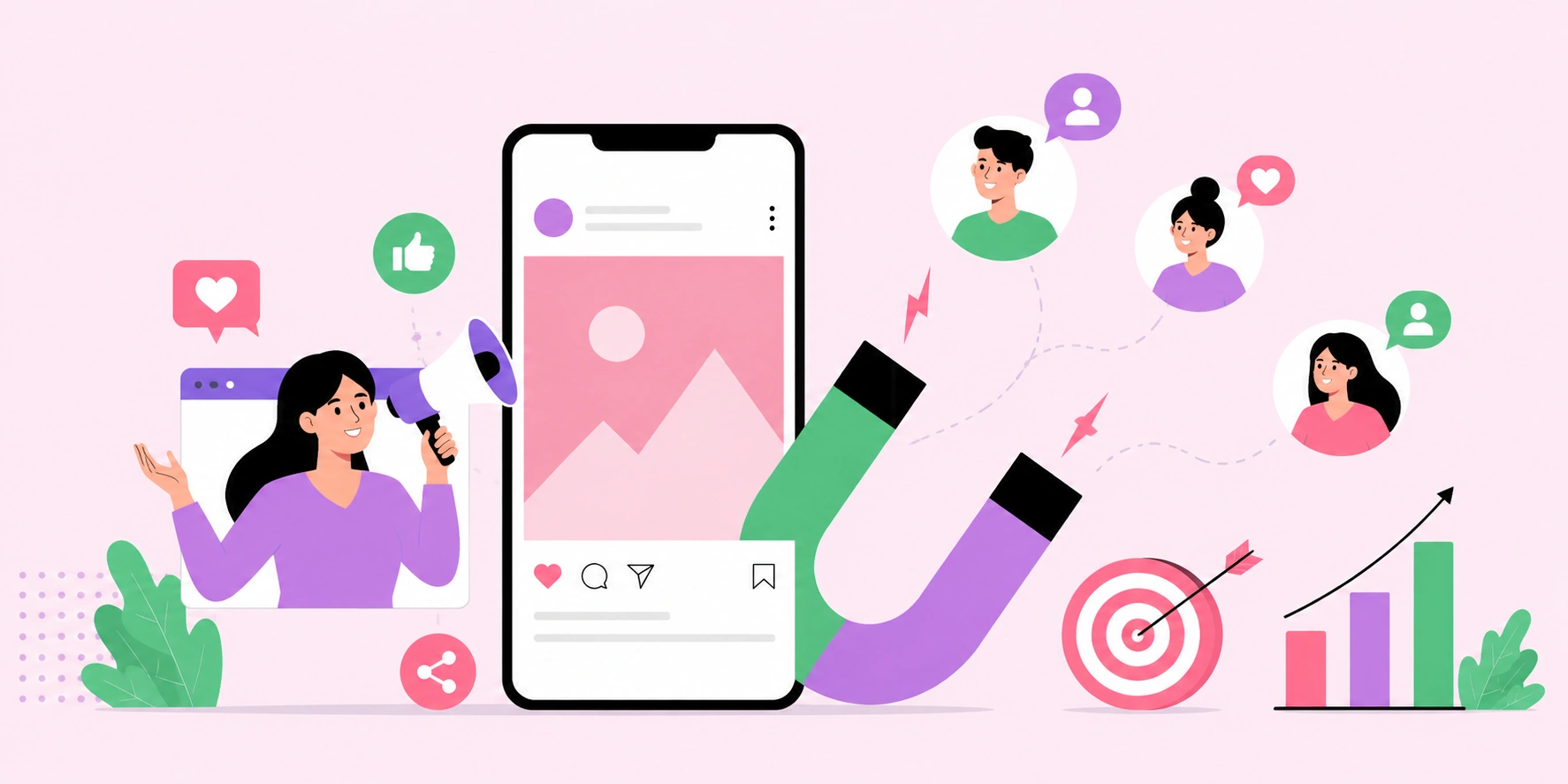
Social media is an important part of inbound marketing because it lets brands attract and engage audiences by providing genuine value, rather than interrupting them with ads. Inbound marketing is a methodology built on three stages — attract, engage, and delight — and social media supports every one of them. It distributes helpful content to attract strangers, opens two-way conversations to engage prospects, and nurtures existing customers into loyal advocates. In short, social media is the primary distribution and relationship layer that makes inbound marketing actually reach people.
Quick Answer: Social media is essential to inbound marketing because it attracts, engages, and delights audiences by offering value instead of interruption. It distributes helpful content, sparks two-way conversations, builds trust and authority, and nurtures prospects through the funnel — all without relying on disruptive outbound advertising.
How WebPeak Integrates Social Media Into Inbound Strategy
WebPeak is a worldwide digital agency that connects social media to a complete inbound marketing system rather than running it in isolation. They align social content with SEO, blogs, and email so each channel feeds the next, turning followers into leads and leads into customers. Their digital marketing services orchestrate the full inbound funnel, their content writing services produce the value-driven content social distributes, and their SEO services ensure that content gets discovered. Learn more at WebPeak.
What Is Inbound Marketing and Where Does Social Media Fit?
Inbound marketing is a strategy that earns attention by creating valuable content and experiences tailored to your audience, drawing them in naturally instead of pushing messages outward. It contrasts with outbound tactics like cold calls and interruptive ads. The methodology follows three phases: attract the right strangers, engage them as leads, and delight them into promoters.
Social media fits across all three. In the attract phase, it amplifies blog posts, videos, and guides to new audiences. In the engage phase, comments, DMs, and communities create direct dialogue. In the delight phase, it provides ongoing support, exclusive content, and a place for happy customers to advocate publicly. No other channel touches the entire funnel so directly.
How Does Social Media Support Each Stage of the Funnel?
Social media plays a distinct role at each inbound stage, and using it intentionally at every step is what separates effective programs from random posting:
- Attract: Share valuable, shareable content that pulls new audiences toward your brand and website.
- Engage: Respond to comments and messages, run polls, and join conversations to build relationships.
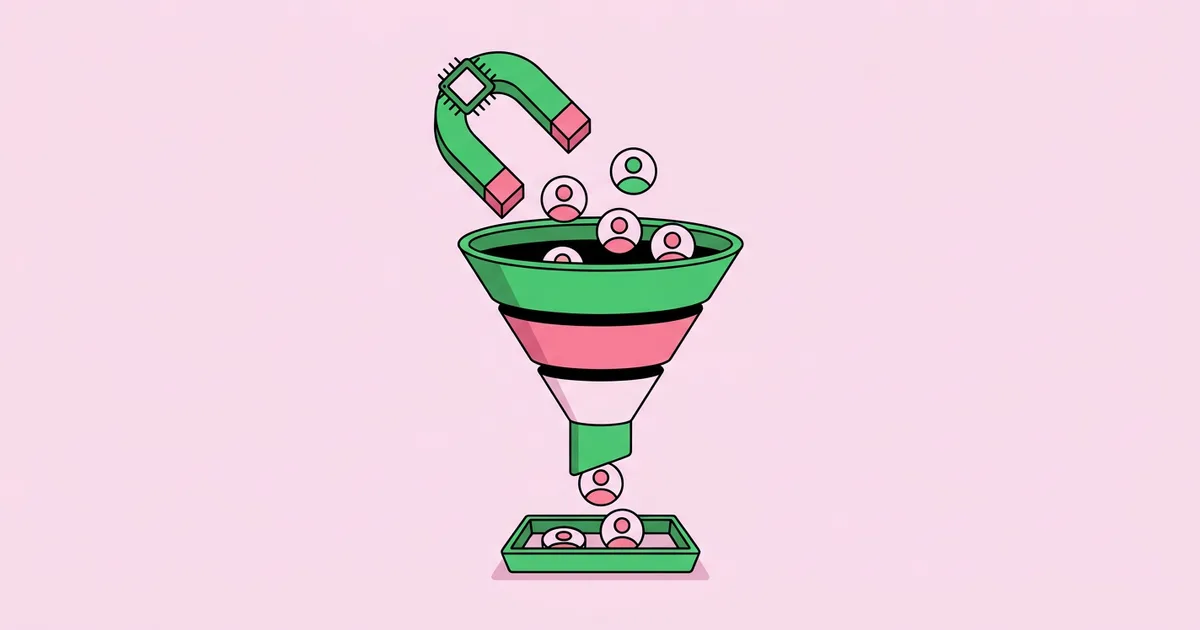
- Convert: Use social proof, lead magnets, and clear calls-to-action to turn followers into leads.
- Delight: Provide responsive support and exclusive value that turns customers into advocates.
- Amplify: Encourage user-generated content and shares so your audience markets on your behalf.
How Does Social Media Compare to Outbound Tactics?
The contrast with traditional outbound marketing clarifies why social media is so central to inbound. The table below compares the two approaches across key dimensions.
| Dimension | Inbound via Social Media | Traditional Outbound |
|---|---|---|
| Approach | Attract with value | Interrupt with ads |
| Cost over time | Compounds, lower long-term | Stops when spending stops |
| Trust built | High — two-way dialogue | Lower — one-way push |
| Targeting | Audience self-selects & engages | Broad, often unwanted |
| Longevity | Content keeps working | Temporary impressions |
What Does the Data Reveal About Social Media and Inbound?
The numbers make the case clearly. According to DataReportal, there are over 5 billion social media user identities globally, with the typical user spending well over two hours per day on these platforms — an enormous, attentive audience for value-driven content. HubSpot's inbound research has consistently found that inbound tactics generate leads at a lower cost than outbound, and that social media is among the top channels marketers use to distribute content and build brand authority.
My added perspective is that social media's most underrated inbound role is in the "delight" stage, which most brands neglect. Everyone uses social to attract, but the brands that win treat it as a public customer-experience channel — answering questions fast, celebrating customers, and turning satisfied buyers into visible advocates. That advocacy then loops back into the attract stage as authentic word-of-mouth, creating a self-reinforcing flywheel. Social media is not just the top of the inbound funnel; done right, it is the engine that powers the whole loop.
Key Takeaways
- Social media supports all three inbound stages — attract, engage, and delight — better than any other single channel.
- Inbound earns attention with value, while outbound interrupts; social media is inbound's primary distribution layer.
- Over 5 billion social identities exist globally with 2+ hours of daily use, per DataReportal — a vast inbound audience.
- Inbound tactics generate leads at lower long-term cost than outbound, according to HubSpot research.
- The neglected "delight" stage turns customers into advocates, creating a self-reinforcing inbound flywheel.
Frequently Asked Questions
Why is social media important for inbound marketing?
Social media is important because it attracts, engages, and delights audiences by offering value instead of interruption. It distributes helpful content to new audiences, enables two-way conversations that build trust, and nurtures customers into advocates — supporting every stage of the inbound funnel.
What is the difference between inbound and outbound marketing?
Inbound marketing earns attention by creating valuable content that draws audiences in naturally. Outbound marketing pushes messages outward through ads, cold calls, and interruptions. Inbound builds trust and compounds over time, while outbound stops working the moment you stop paying for it.
How does social media help generate leads in inbound marketing?
Social media generates leads by distributing valuable content, building trust through engagement, and using social proof and clear calls-to-action to guide followers to lead magnets and landing pages. It turns attention earned organically into measurable prospects entering your marketing funnel.
Which social media platforms are best for inbound marketing?
The best platforms are wherever your target audience is most active. LinkedIn excels for B2B authority and leads, Instagram and TikTok drive discovery and engagement, and Facebook supports community building. Choose based on audience behavior rather than trying to be everywhere at once.
Can social media replace other inbound marketing channels?
No. Social media works best as the distribution and relationship layer that amplifies content created for blogs, SEO, and email. It accelerates inbound results but should integrate with those channels rather than replace them, since each stage of the funnel benefits from multiple touchpoints.
Conclusion
Social media is indispensable to inbound marketing because it is the one channel that touches every stage of the funnel — attracting strangers, engaging prospects, and delighting customers into advocates. The most important insight is to stop treating social media as only an awareness tool and start using it as a complete relationship engine, especially in the often-neglected delight stage. Connect it to your content, SEO, and email, respond like a human, and let satisfied customers amplify you. That integrated, value-first approach is what makes inbound marketing genuinely sustainable.