What Is Whitelisting in Social Media?
Whitelisting in social media is an advertising arrangement in which a content creator or influencer grants a brand permission to run paid ads directly through the creator's own handle and ad account access. Instead of the brand's logo, the ad appears to come from the trusted creator, complete with their name, voice, and audience credibility. This is sometimes called "allowlisting" or "creator licensing." The strategic value is simple: ads served from a real person's account typically feel more authentic and outperform standard branded ads on cost and engagement.
Quick Answer: Whitelisting in social media is when a creator grants a brand permission to run paid ads through their personal handle and account. The ads appear to come from the trusted creator rather than the brand, boosting authenticity, engagement, and ad performance while letting brands precisely target and scale.
How WebPeak Manages Whitelisting Campaigns for Brands
WebPeak is a worldwide digital agency that sets up and manages whitelisting (creator-licensed) ad campaigns so brands capture the authenticity of influencer content with the precision of paid media. They handle creator agreements, account permissions, audience targeting, and performance optimization end to end. Their social media marketing team builds the creator-led ad strategy, while their Google Ads and broader digital marketing services ensure whitelisted campaigns connect with your wider funnel. Explore their services at WebPeak.
How Does Social Media Whitelisting Actually Work?
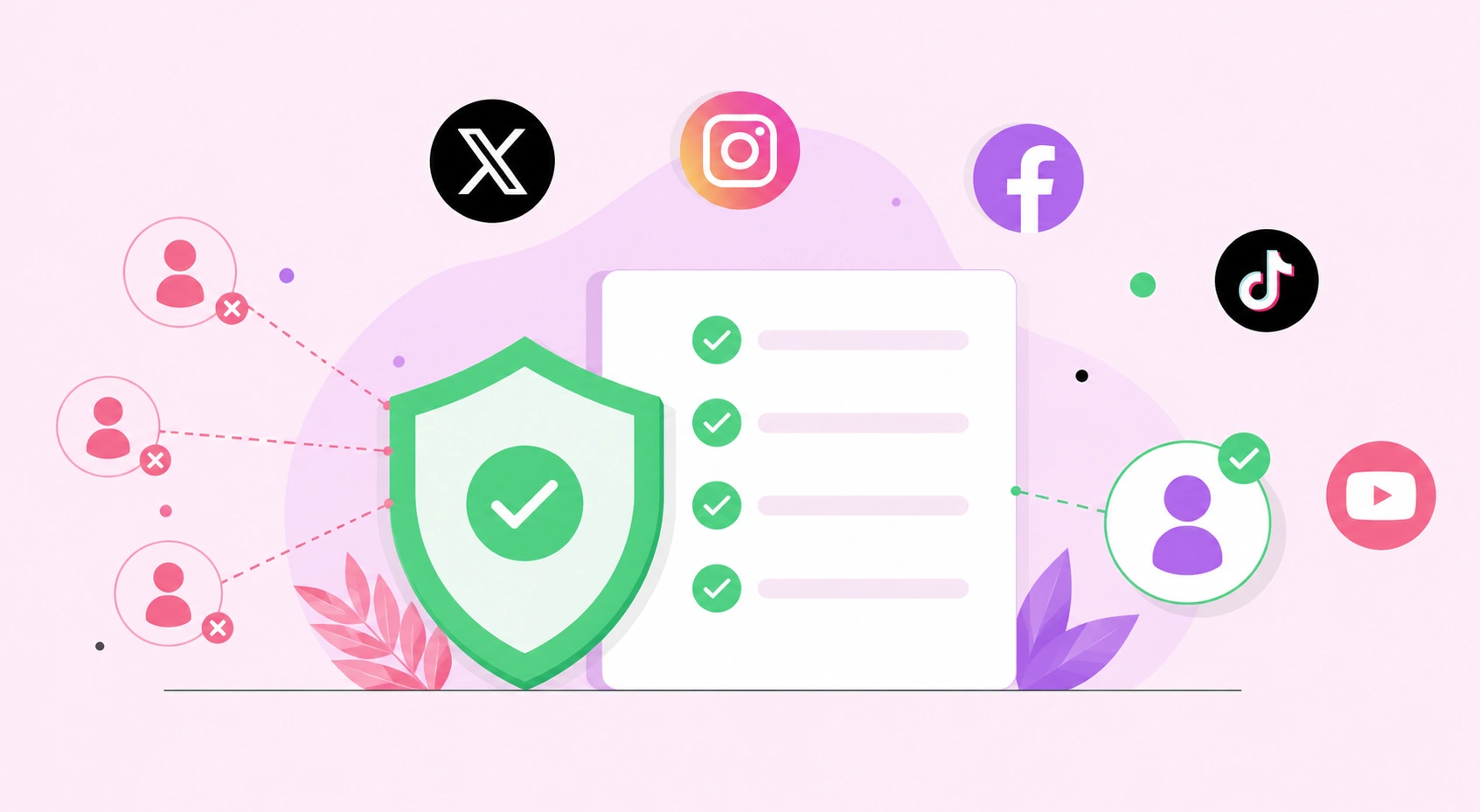
Whitelisting works by granting a brand partner-level access to a creator's social account through the platform's business tools (for example, Meta Business Suite for Instagram and Facebook). The creator does not hand over their password; instead they assign specific advertising permissions. The brand can then create and run ads that publish under the creator's handle, target custom audiences, and optimize spend — all while the content carries the creator's trusted identity.
Here is the typical setup flow:
- Agreement: Brand and creator sign a contract defining usage rights, duration, and compensation.
- Access: The creator grants partner permissions via the platform's business manager — never a password.
- Asset approval: The creator approves which posts or new ad creatives can run under their handle.
- Targeting & launch: The brand builds audiences, sets budget, and launches ads from the creator's identity.
- Optimization: The brand monitors performance and refines targeting, creative, and spend.
What Are the Benefits and Risks of Whitelisting?
The primary benefit is authenticity at scale. Audiences increasingly distrust overt advertising, so an ad delivered through a creator they already follow earns more attention and clicks. Whitelisting also unlocks the platform's full targeting and retargeting capabilities, which organic creator posts cannot access, and it lets brands A/B test creative across precise audience segments.
The risks are mostly contractual and reputational. Without a clear agreement, disputes arise over usage duration and content rights. There is also brand-safety exposure: tying your ads to a creator's identity means their public behavior reflects on you. The fix is a watertight contract, vetting the creator's history, and limiting access to advertising permissions only.
Whitelisting vs. Other Influencer Models: Which Is Right?
Whitelisting is one of several creator partnership models, and choosing correctly depends on your goal. The table below compares the main approaches.
| Model | Who Runs the Ads | Best For |
|---|---|---|
| Organic sponsorship | Creator posts only | Quick awareness, low setup |
| Whitelisting | Brand runs ads via creator handle | Authentic, scalable paid reach |
| Branded content ads | Brand boosts a tagged creator post | Amplifying a single proven post |
| Spark / creator licensing | Brand runs ads using creator content | Performance testing at scale |
Why Is Whitelisting Becoming a Core Ad Strategy?
Whitelisting is growing because authenticity now directly drives performance. According to Nielsen's long-running trust research, a large majority of consumers trust recommendations from people over branded advertising, and influencer-style content consistently reflects that trust gap. Industry data from Influencer Marketing Hub has also valued the influencer marketing economy in the tens of billions of dollars, with creator-licensed ads cited as one of the fastest-growing tactics within it.
In my experience running these campaigns, the underappreciated advantage is data ownership. A pure sponsored post gives you a spike and little else, but a whitelisted campaign feeds conversion data, custom audiences, and retargeting pools back into your ad account — assets you keep long after the partnership ends. That compounding data value, not just the single campaign's engagement, is the real reason sophisticated brands prioritize whitelisting over one-off sponsorships.
Key Takeaways
- Whitelisting lets a brand run paid ads through a creator's handle, so ads appear to come from a trusted person.
- Creators grant advertising permissions through business tools — never their password.
- The model combines influencer authenticity with the precise targeting and retargeting of paid media.
- Most consumers trust peer recommendations over branded ads, per Nielsen, explaining whitelisting's performance edge.
- A clear contract is essential to manage usage rights, duration, and brand-safety risk.
Frequently Asked Questions
What is whitelisting in social media advertising?
Whitelisting is when a creator grants a brand permission to run paid ads through their personal social handle. The ads appear to come from the trusted creator rather than the brand, combining influencer authenticity with the precise targeting and optimization of paid advertising.
Do I need a creator's password to whitelist their account?
No. Whitelisting uses platform business tools like Meta Business Suite to grant specific advertising permissions. The creator never shares their password — they assign partner-level access that lets the brand run ads under their handle while keeping their account secure.
Why do whitelisted ads perform better than branded ads?
Whitelisted ads appear to come from a real, trusted creator the audience already follows, so they feel authentic rather than promotional. This higher trust typically increases click-through and engagement while lowering ad costs, since audiences are more receptive to recommendations from people they know.
What are the risks of social media whitelisting?
The main risks are contractual disputes over usage rights and brand-safety exposure, since your ads are tied to a creator's public identity. Mitigate them with a clear written agreement covering duration and rights, vetting the creator's reputation, and limiting access to advertising permissions only.
How is whitelisting different from a regular sponsored post?
A sponsored post is a one-time organic post by the creator. Whitelisting lets the brand run targeted, optimized paid ads through the creator's handle and keep the resulting conversion data and custom audiences, making it far more scalable and measurable than a single post.
Conclusion
Whitelisting blends the two things modern advertising needs most: the authenticity of a trusted creator and the precision of paid media. The most important decision is not whether to try it, but how to protect yourself — lead with a clear contract, vet your creator partners carefully, and grant only advertising permissions. Done right, whitelisting does more than win a single campaign; it builds durable data assets you keep for future targeting. For brands serious about scaling authentic reach, it is one of the highest-leverage tactics available today.