What Is Whitelisting Social Media for Creators and Influencers?
From a creator's perspective, whitelisting social media means granting a brand permission to run paid advertisements through your personal handle for a defined period and fee. The brand uses the platform's business tools to publish ads under your name, voice, and audience trust — without ever receiving your password. For influencers, whitelisting is one of the most lucrative monetization options available, because it commands premium rates beyond a standard sponsored post and turns your account's credibility into ongoing ad performance for the brand.
Quick Answer: Whitelisting social media is when a creator allows a brand to run paid ads through their handle for a set fee and time period. It pays more than a regular sponsored post because brands gain authentic, high-trust ad placements and targeting access, while the creator monetizes their audience credibility.
How WebPeak Supports Creators and Brands in Whitelisting Deals
WebPeak is a worldwide digital agency that structures whitelisting partnerships so both creators and brands win. They define fair usage terms, set up secure permissions, and manage the creative so the influencer's voice stays intact while the brand hits its targets. Their social media management services coordinate the partnership and content, their graphic design services polish ad creative to match a creator's aesthetic, and their digital marketing consultancy advises on pricing and strategy. Learn more at WebPeak.
How Should Creators Price a Whitelisting Deal?
Whitelisting should always cost the brand more than a standard post, because you are licensing your identity and audience trust for paid amplification over time. Pricing depends on audience size, engagement quality, exclusivity, and the access duration. A practical pricing approach looks like this:
- Base post fee: Start with your normal sponsored-post rate.
- Whitelisting premium: Add a multiplier (commonly 1.5x–3x) for granting ad permissions.
- Duration: Charge by access window — 30, 60, or 90 days — not unlimited.
- Exclusivity: Add a fee if the brand wants category exclusivity during the term.
- Usage scope: Price higher if they want to create new ad variations, not just boost existing posts.
How Do Creators Set Up Whitelisting Safely?
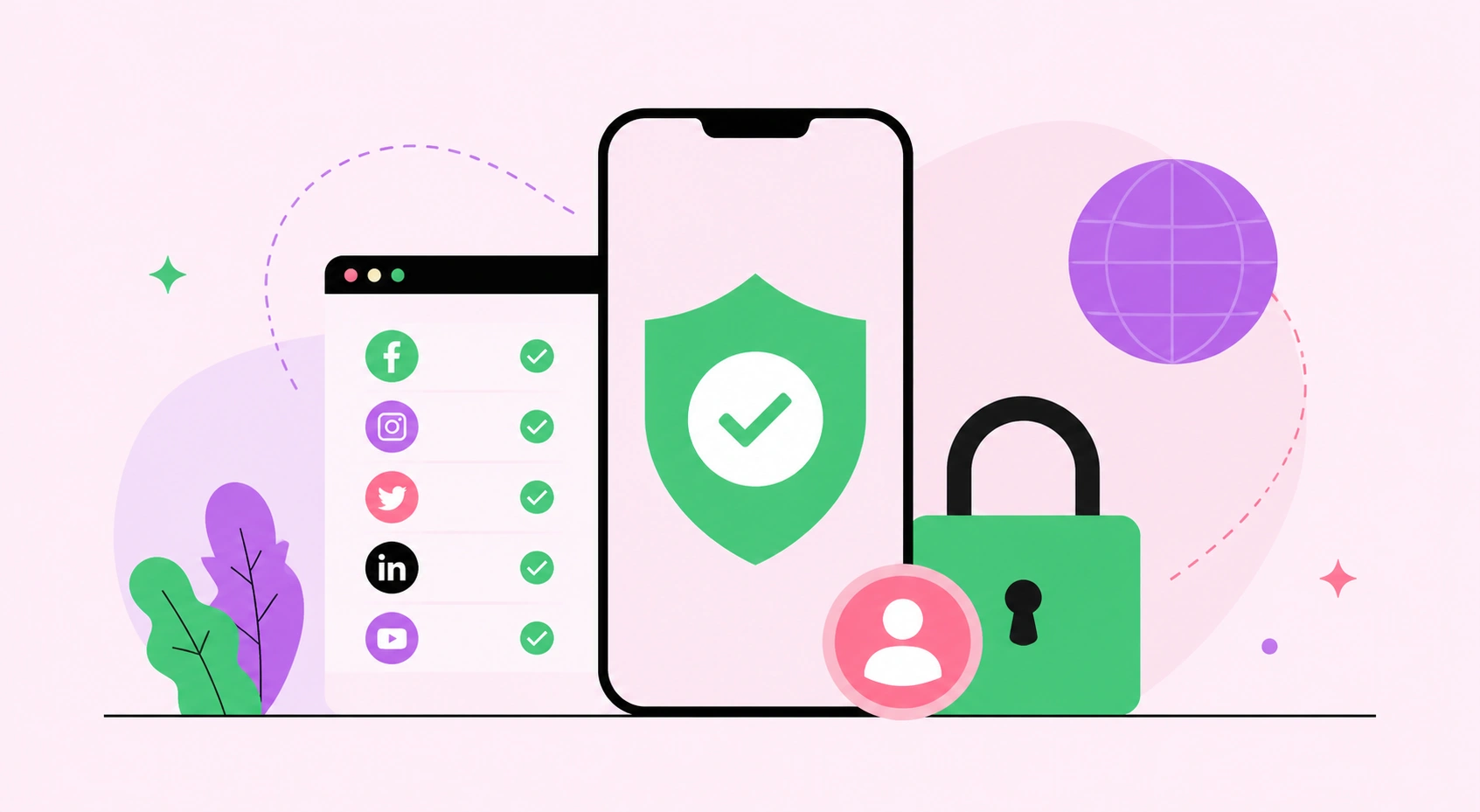
Safety comes from granting the minimum access required and documenting everything. You should never share login credentials. Instead, use the platform's partnership tools to assign advertising permissions that you can revoke at any time. The setup mirrors the brand-side process but with the creator firmly in control.
The essential safeguards are a written contract specifying the exact access duration, the audiences and content the brand may use, a clear end date with automatic permission revocation, and approval rights over any new creative published under your name. The contract is what protects your reputation — without it, a brand could run ads you would never personally endorse under your own handle.
Whitelisting vs. Standard Sponsorship: What Creators Earn
Understanding the value difference helps creators negotiate confidently. The table below compares typical creator outcomes across partnership types.
| Factor | Standard Sponsored Post | Whitelisting Deal |
|---|---|---|
| Typical pay | Base rate, one-time | 1.5x–3x base rate |
| Brand control | Single post only | Ongoing ad access for set term |
| Creator risk | Low | Moderate — needs contract |
| Best for creator | Quick collaboration | Premium, recurring income |
Why Are Brands Paying Creators More for Whitelisting?
Brands pay a premium because creator-led ads outperform traditional branded ads, and the data backs it up. According to Nielsen, the vast majority of consumers trust recommendations from individuals more than advertising from brands. Influencer Marketing Hub's industry surveys have repeatedly found that businesses earn strong returns on influencer spend, and that creator-licensed advertising is among the tactics marketers plan to increase. That demand gives creators real leverage at the negotiating table.
From working with creators on these deals, my strongest advice is to treat whitelisting as licensing intellectual property, not as "an upgraded post." You are renting out the most valuable asset you own — audience trust — and trust is finite. Protect it by capping how many simultaneous whitelisting deals you run, vetting brands for alignment with your values, and never letting a partner publish creative that does not sound like you. Creators who guard their authenticity command higher rates precisely because that authenticity is what brands are paying for.
Key Takeaways
- Whitelisting lets creators license their handle for brand ads, earning typically 1.5x–3x a standard post rate.
- Creators should never share passwords — only revocable advertising permissions via platform tools.
- A written contract covering duration, content scope, and approval rights is essential to protect reputation.
- Most consumers trust individual recommendations over brand ads, per Nielsen, which is why brands pay a premium.
- Treat whitelisting as licensing your audience trust — cap simultaneous deals and vet brands for alignment.
Frequently Asked Questions
What is whitelisting for influencers?
Whitelisting for influencers is granting a brand permission to run paid ads through your personal handle for a set fee and time period. The brand publishes ads under your name and audience trust without your password, and you earn a premium above a normal sponsored post.
How much should I charge for a whitelisting deal?
Start with your standard sponsored-post rate, then add a premium multiplier — commonly 1.5 to 3 times — for granting ad access. Adjust based on the access duration, whether the brand wants exclusivity, and if they will create new ad variations under your handle.
Is whitelisting safe for my social media account?
Yes, when done correctly. You never share your password; you grant revocable advertising permissions through platform business tools. A clear contract specifying duration, content scope, and your approval rights, plus an end date with automatic revocation, keeps your account and reputation protected.
What is the difference between whitelisting and a sponsored post?
A sponsored post is a single one-time post you publish. Whitelisting gives the brand ongoing permission to run targeted paid ads through your handle for a set term. Because it offers more value and control to the brand, it pays significantly more.
Can I revoke whitelisting access after agreeing?
Yes. Advertising permissions granted through platform business tools can be revoked at any time from your account settings. Your contract should also specify an automatic end date, but you retain technical control and can withdraw access if a brand violates the agreed terms.
Conclusion
For creators, whitelisting is one of the highest-value ways to monetize an audience — but only when treated as licensing valuable intellectual property rather than a simple post upgrade. The single most important move is to protect your authenticity with a clear contract, revocable permissions, and creative approval rights. Price the premium confidently, because the trust you have built is exactly what brands cannot create on their own. Guard that trust, negotiate from data, and whitelisting becomes a sustainable premium income stream instead of a one-off payday.