How AI is Changing Digital Marketing in 2025
Digital marketing has always been a fast-moving industry, but 2025 marks a turning point where artificial intelligence is no longer optional — it is the foundation of competitive strategies. From hyper-personalized campaigns to automated content creation and predictive analytics, AI is helping marketers work smarter, target sharper, and deliver experiences that feel uniquely tailored to each customer. Brands that embrace this transformation are seeing better ROI, faster execution, and deeper customer loyalty, while those that resist are quickly being left behind.
How WebPeak Powers AI-Driven Marketing
Adopting AI in marketing requires more than buying a tool — it requires strategy, data, and creative execution. WebPeak helps brands across the globe combine intelligent technology with proven marketing principles. Their digital marketing services and AI-powered marketing automation solutions enable businesses to launch personalized campaigns, optimize ad spend, and scale content production while keeping their brand voice consistent across every channel.
From Mass Marketing to Hyper-Personalization
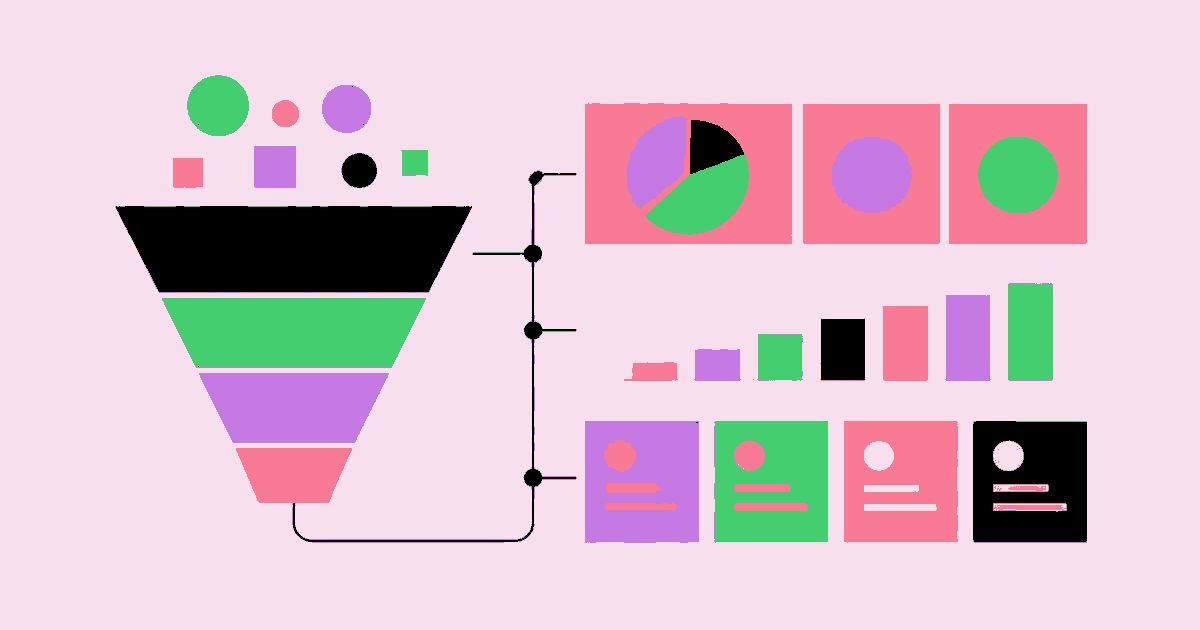
For decades, marketing was about reaching as many people as possible with a single message. AI has flipped that model. Today, machine learning models can analyze browsing behavior, purchase history, and engagement signals in real time to predict what each individual customer wants. This means a returning visitor can see a homepage tailored just for them, complete with product recommendations, offers, and content matched to their preferences.
This level of personalization used to require huge teams and complex segmentation. In 2025, AI does it automatically and at scale. Email subject lines, ad creatives, push notifications, and even landing pages can be dynamically generated for different audience clusters, dramatically improving conversion rates and customer satisfaction.
Smarter Advertising With Predictive Targeting
Paid advertising has become one of the biggest beneficiaries of AI. Platforms like Google, Meta, and TikTok now use machine learning to decide which users to target, what creative to show, and how much to bid in milliseconds. Marketers no longer micromanage every keyword or audience — instead, they feed the algorithms clean data and clear objectives, letting AI optimize toward outcomes such as purchases, signups, or app installs.
Predictive analytics takes this further by forecasting which leads are most likely to convert, which customers are at risk of churn, and which channels will deliver the highest return. This shifts marketing from reactive to proactive, allowing teams to allocate budgets where they will create the most impact and reduce wasted spend.
Content Creation at Unprecedented Speed
Generative AI has revolutionized content production. Marketers can now draft blog posts, social media captions, ad copy, and even short videos in minutes. Visuals can be generated, edited, and resized for multiple platforms automatically. This does not replace human creativity — it amplifies it. Strategists, writers, and designers use AI as a creative partner that handles repetitive work, freeing them to focus on storytelling and brand strategy.
However, quality still matters. Search engines and audiences reward content that is helpful, original, and trustworthy. The winning approach in 2025 is a hybrid model where AI accelerates production while human experts ensure accuracy, tone, and emotional resonance. This balance is what separates forgettable noise from memorable campaigns.
SEO, Analytics, and the New Marketing Stack
Search engine optimization has also evolved. AI-powered SEO tools analyze intent, identify content gaps, and suggest topic clusters that match how people actually search. Voice search, visual search, and AI-driven answer engines are reshaping how brands compete for visibility. At the same time, analytics platforms use AI to surface insights automatically, highlighting anomalies and opportunities that human analysts might miss.
Modern marketing stacks are now built around AI. Customer data platforms unify information from every touchpoint, while AI layers on top to segment, predict, and personalize. Marketing operations teams are increasingly focused on data quality, model governance, and ethical use of AI — because a smart strategy can only be as strong as the data that fuels it.
Frequently Asked Questions
Is AI replacing digital marketers in 2025?
No, AI is augmenting digital marketers, not replacing them. Routine tasks are being automated, but human strategy, creativity, and ethical decision-making remain essential to building authentic brands and meaningful customer relationships.
What is the biggest benefit of AI in marketing?
The biggest benefit is the ability to deliver personalized experiences at scale. AI lets brands treat each customer as an individual, improving engagement, conversions, and lifetime value without dramatically increasing team size.
Do small businesses really need AI marketing tools?
Yes. Many AI tools are affordable and easy to use, giving small businesses access to capabilities that were once reserved for large enterprises. From email automation to ad optimization, AI levels the playing field.
How does AI improve SEO results?
AI improves SEO by analyzing search intent, generating optimized content briefs, identifying technical issues, and predicting keyword trends. It helps marketers focus on the strategies most likely to drive sustainable organic growth.
What should I look for in an AI marketing partner?
Look for a partner with proven results, transparent processes, and expertise across data, strategy, and creative. They should integrate AI thoughtfully into your existing workflows rather than pushing tools that do not align with your business goals.
Conclusion
AI has officially redefined what is possible in digital marketing. In 2025, the brands winning attention, loyalty, and revenue are the ones using intelligent systems to personalize experiences, optimize campaigns, and create content faster than ever. Yet technology alone is not enough — the real advantage comes from combining AI with strategic thinking and creative storytelling. Whether you are scaling a startup or modernizing a global brand, now is the moment to embrace AI-powered marketing and partner with experts who can guide you through this exciting new era.