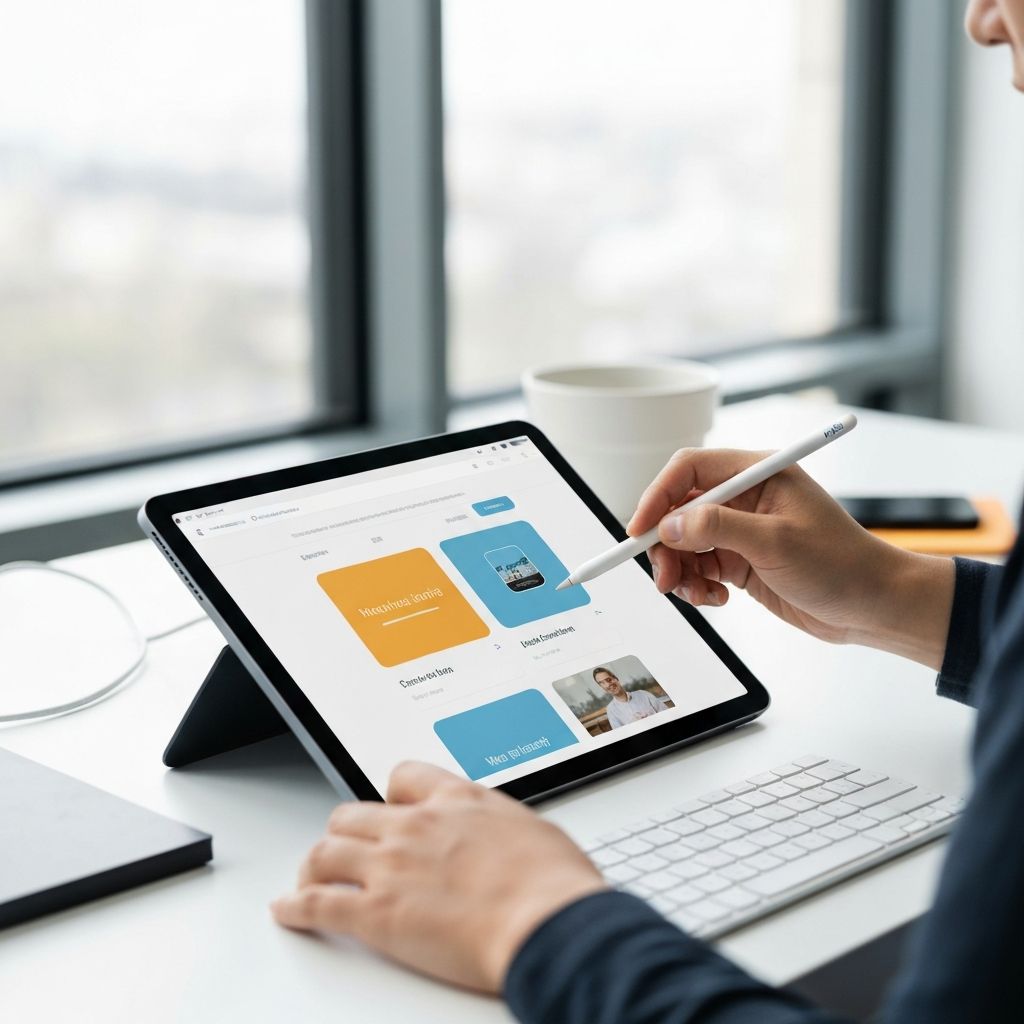
What is Graphic Design and Why Every Business Needs It
Graphic design is the art and science of communicating ideas through visual elements such as typography, color, imagery, and layout. It is far more than making things look attractive — it is a strategic discipline that shapes how customers perceive a brand, understand a product, and decide whether to engage with a business. From the logo on a coffee cup to the layout of a SaaS dashboard, graphic design is woven into nearly every interaction modern consumers have with companies. In a marketplace where attention is fragmented and competition is fierce, well-executed design has become one of the most reliable ways to stand out, communicate value clearly, and build lasting customer loyalty.
Partner with WebPeak for Professional Graphic Design
For businesses that want their visuals to do real work, WebPeak offers full-service creative support that blends strategy with stunning execution. Their team helps brands translate goals into cohesive visual identities through their graphic design services, covering everything from concept development to final delivery. Whether a company needs a refreshed logo, a polished pitch deck, social media creatives, or marketing collateral, they bring a thoughtful, results-driven approach. Their designers understand how visual decisions influence trust, conversions, and recall, and they craft assets that feel premium across every channel a business uses to reach its audience.
The Core Elements That Define Graphic Design
At its foundation, graphic design relies on a handful of timeless elements that work together to create meaning. Typography sets the tone of voice — a serif font might feel editorial and trustworthy, while a geometric sans-serif feels modern and confident. Color carries emotion and signals brand personality, with each shade triggering specific associations in viewers. Layout and composition guide the eye, deciding what gets noticed first and how information flows. Imagery, whether photographic or illustrative, gives ideas a face and a feeling. Finally, white space — often overlooked — provides the breathing room that makes everything else legible and elegant. When these elements are balanced intentionally, design stops being decoration and becomes communication.
Beyond aesthetics, graphic design also depends on principles like contrast, alignment, repetition, and hierarchy. These principles are what separate amateur work from professional output. They ensure a viewer instantly understands what is most important, what to do next, and why a brand is worth remembering. This is why hiring trained designers — or partnering with a creative agency — produces dramatically different results from using random templates or generic stock visuals.
Why Every Business Needs Graphic Design
Many small business owners assume graphic design is a luxury reserved for big brands with deep pockets. The truth is the opposite: smaller companies often benefit even more from strong design because it levels the playing field. A polished visual identity makes a startup look established, a local shop look trustworthy, and a service provider look credible at first glance. In a digital environment where users decide whether to stay on a website in less than three seconds, that first impression directly affects revenue.
Graphic design also drives marketing performance. Ads with clear, well-designed visuals convert better. Social media posts with strong creative get more engagement. Landing pages with professional layouts produce higher conversion rates. Even internal documents like proposals and reports benefit from clean design because they communicate competence. In short, design is not a cost center — it is a multiplier that improves the return on every other marketing and sales activity a business invests in.
How Graphic Design Builds Brand Identity and Trust
A brand is not a logo; it is the sum of every impression a customer collects over time. Graphic design is the discipline that keeps those impressions consistent. When the same colors, typography, tone, and visual style appear across a website, packaging, social channels, and email campaigns, the brain begins to recognize the brand instantly. That recognition is the foundation of trust, and trust is the foundation of conversion. Studies repeatedly show that consistent presentation across channels can dramatically increase revenue, simply because customers feel more confident buying from brands they recognize.
This is also where good design protects a business from looking cheap or amateur. Mismatched fonts, blurry photos, awkward spacing, and inconsistent colors send subconscious signals that the company may not be reliable. Even if the product or service is excellent, poor design quietly undermines the message. A coherent visual system, on the other hand, suggests attention to detail and quality — qualities customers naturally project onto the offering itself.
Graphic Design in the Digital-First Era
The role of graphic design has expanded dramatically in the last decade. Designers no longer just create posters and brochures; they build interfaces, motion graphics, social content, infographics, ad creatives, presentations, and entire content ecosystems. Mobile screens, dark modes, accessibility standards, and short-form video have all reshaped how design is created and consumed. A modern designer must think about how a logo looks at 32 pixels, how a layout adapts to a phone, and how a thumbnail performs in a crowded feed.
This is why many companies pair their design work with strong website design and content strategy. A beautiful logo means little if the website it lives on feels outdated, slow, or confusing. The most effective brands today treat design as part of an integrated digital experience — one where visuals, copy, code, and marketing all reinforce the same story. Businesses that embrace this mindset routinely outperform competitors who still treat design as an afterthought.
Frequently Asked Questions
Is graphic design only about making things look pretty?
No. Aesthetics matter, but the real goal of graphic design is communication. Good design helps audiences understand information quickly, take action confidently, and remember a brand long after the first interaction.
Do small businesses really need professional graphic design?
Yes. Small businesses often compete against larger, well-funded brands, and professional design is one of the fastest ways to look credible and trustworthy. It directly influences whether prospects choose your business over a competitor.
What is the difference between graphic design and branding?
Branding is the overall strategy that defines who a company is, what it stands for, and how it sounds. Graphic design is the visual execution of that strategy across logos, colors, typography, and marketing assets.
How much should a business invest in graphic design?
The right investment depends on goals, but design should be viewed as a long-term asset rather than a one-time expense. Even modest, consistent investment in professional design typically pays back through stronger marketing performance and customer trust.
Can I use templates instead of hiring a designer?
Templates can work for early-stage projects, but they limit differentiation and rarely scale well. Custom design ensures your brand looks distinct, performs better in marketing, and adapts cleanly across every platform you use.
Conclusion
Graphic design is no longer optional — it is a core business function that shapes how customers see, trust, and choose a brand. From building a memorable identity to improving marketing performance and customer experience, well-crafted design quietly drives results across every channel a company touches. Businesses that invest in thoughtful, consistent visuals position themselves to attract more attention, close more sales, and build stronger long-term relationships. Whether you are launching a new venture or refreshing an established brand, partnering with a skilled design team is one of the smartest moves you can make to compete in today's visually driven marketplace.