What is a Marketing Dashboard and How to Build One for Your Team
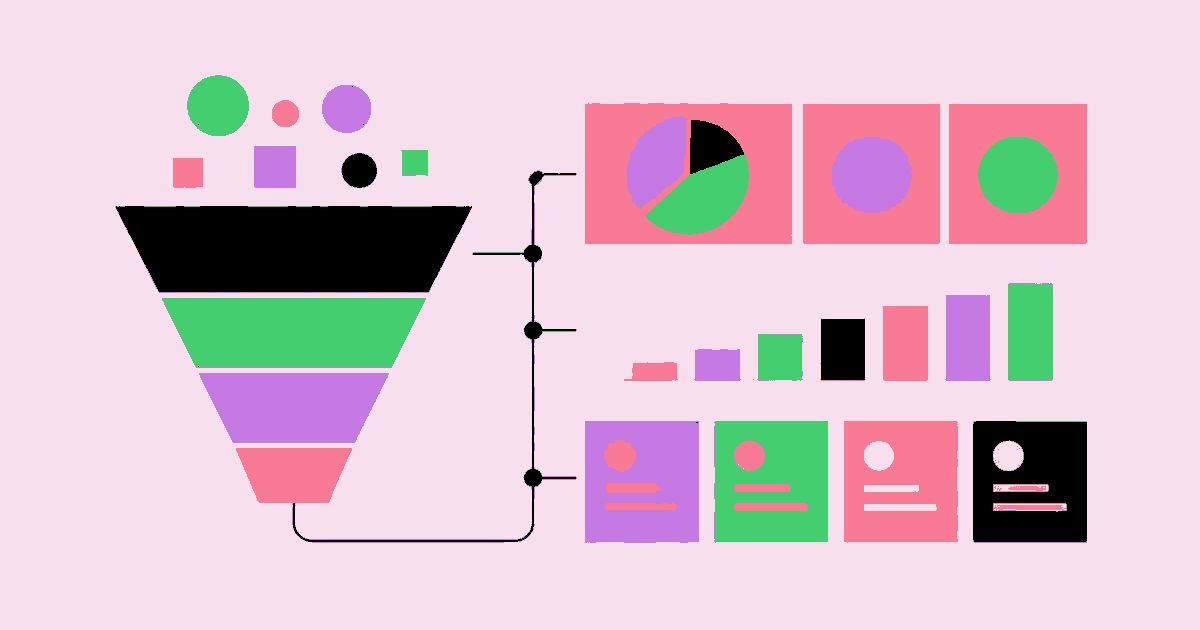
A marketing dashboard is a centralized visual interface that pulls together key performance indicators, campaign metrics, and channel data into one easy-to-read view. Instead of switching between Google Analytics, ad platforms, email tools, CRM systems, and social media reports, marketing teams use dashboards to monitor everything in real time. The result is faster decision-making, tighter alignment across departments, and a clearer understanding of what is actually working. In today's data-driven environment, building the right dashboard is no longer optional — it is a strategic necessity for any team that wants to grow efficiently and prove ROI.
How WebPeak Builds Custom Marketing Dashboards That Drive Growth
If you want a tailored solution that fits your business goals, WebPeak specializes in building intuitive, data-rich dashboards backed by deep marketing expertise. Their team combines strategic digital marketing consultancy with advanced AI data analysis and visualization to deliver dashboards that surface the insights that matter most. Whether you need a simple performance tracker or an enterprise-level reporting system, they help teams worldwide make smarter, faster decisions through clean, actionable data.
Why Every Marketing Team Needs a Dashboard
Modern marketing produces an overwhelming amount of data. Without a dashboard, valuable insights get lost in spreadsheets, scattered reports, and inconsistent updates. A well-built dashboard solves this by aggregating data from every channel — paid media, organic search, email, social, and direct traffic — into a single source of truth. Teams can spot trends in seconds, identify underperforming campaigns before budgets are wasted, and celebrate wins backed by hard numbers. Beyond efficiency, dashboards also create accountability. When everyone sees the same metrics, conversations shift from opinions to evidence, and strategies evolve faster.
Define the Right Metrics Before You Build
The biggest mistake teams make when building a dashboard is including too many metrics. A cluttered dashboard creates confusion, not clarity. Start by aligning with stakeholders on business objectives, then map metrics to each goal. For brand awareness, track impressions, reach, and share of voice. For lead generation, focus on cost per lead, conversion rate, and form submissions. For e-commerce, prioritize ROAS, average order value, and customer lifetime value. Group metrics by funnel stage — awareness, consideration, conversion, and retention — so leadership can quickly understand performance across the entire customer journey. Always ask: "If this number changes, will we take action?" If the answer is no, leave it out.
Choose the Right Tools and Data Sources
Dashboard tools range from simple spreadsheet templates to enterprise platforms like Looker Studio, Tableau, Power BI, and HubSpot. The right choice depends on your team's technical skills, budget, and complexity of data. For most small to mid-sized businesses, Looker Studio offers an excellent balance of cost, flexibility, and integration depth. Connect your dashboard to authoritative data sources — Google Analytics 4, Google Ads, Meta Ads, LinkedIn Campaign Manager, your CRM, and email marketing platform. Use ETL tools or built-in connectors to ensure data flows automatically and consistently. Manual data entry is a recipe for errors and outdated insights.
Design for Clarity and Action
A great dashboard is not just accurate — it is intuitive. Use clean layouts, consistent color coding, and clear labels. Place the most important KPIs at the top, supported by trend lines, comparison periods, and segmented breakdowns below. Include filters that let users drill down by date range, channel, campaign, or audience segment. Annotate significant events such as product launches, algorithm updates, or seasonal campaigns to provide context for spikes and dips. Most importantly, design with the end user in mind — executives need high-level summaries, while analysts need granular detail. Consider building separate views for different stakeholders rather than forcing one dashboard to serve everyone.
Frequently Asked Questions
What is the difference between a report and a dashboard?
A report is typically static, summarizing performance over a fixed period, while a dashboard is dynamic and updates in real time. Dashboards are designed for ongoing monitoring, whereas reports are best suited for periodic deep dives and stakeholder presentations.
How often should I update my marketing dashboard?
Dashboards should refresh automatically as often as your data sources allow — typically daily or hourly. The dashboard structure itself should be reviewed quarterly to ensure it still reflects current goals, campaigns, and business priorities.
What are the most important marketing KPIs?
Top KPIs depend on your goals, but commonly include conversion rate, cost per acquisition, return on ad spend, customer lifetime value, and traffic by channel. Always tie metrics back to revenue or strategic outcomes to avoid vanity metrics.
Can small businesses benefit from marketing dashboards?
Absolutely. Even a simple dashboard helps small teams save time, reduce reporting errors, and make data-informed decisions. Free tools like Looker Studio offer powerful capabilities without large investments, making dashboards accessible to businesses of any size.
Should I build a dashboard in-house or hire experts?
If your team has technical skills and clear goals, building in-house can work well. However, hiring experts often saves time, ensures cleaner data architecture, and produces a more polished final product, especially when integrating multiple data sources.
Conclusion
A well-designed marketing dashboard transforms scattered data into a strategic advantage. By focusing on the right metrics, choosing reliable tools, and designing for clarity, you give your team the visibility they need to act with confidence. Dashboards do more than report numbers — they shape culture, drive accountability, and accelerate growth. Whether you build it yourself or partner with specialists, investing in the right reporting infrastructure pays dividends across every campaign, channel, and quarter ahead.