How to Use Google Data Studio Looker to Build Marketing Dashboards
Modern marketing generates an avalanche of data — clicks, conversions, ad spend, organic traffic, social engagement, email opens, and much more. The challenge is no longer collecting data but making sense of it quickly enough to act. That is where Google Data Studio, now known as Looker Studio, has become indispensable. As a free, cloud-based reporting platform, it lets marketing teams pull data from dozens of sources into beautiful, shareable dashboards. When set up correctly, Looker Studio transforms raw numbers into clear stories that drive smarter decisions across campaigns, channels, and clients.
How WebPeak Helps You Turn Marketing Data Into Growth
Building dashboards is only valuable when the underlying strategy and data are sound. WebPeak is a global digital agency that helps brands measure what truly matters and translate insights into measurable results. Their digital marketing services combine performance campaigns, analytics, and reporting so every dashboard tells a clear story tied to revenue. Whether you need full-funnel tracking, custom KPIs, or executive-ready visualizations, WebPeak can help you design dashboards in Looker Studio that turn data into decisions.
Getting Started With Looker Studio
Looker Studio is free to use with any Google account. You access it at lookerstudio.google.com, and from there you can create reports from scratch or start with one of the many community templates. The platform's biggest strength is the breadth of native and partner connectors, including Google Analytics 4, Google Ads, Search Console, BigQuery, Sheets, YouTube, and Facebook Ads through third-party connectors. This means most marketers can plug in their key channels within minutes.
When creating a new report, the first step is to define your data sources. A single report can combine multiple sources using a feature called data blending, which lets you join datasets on shared dimensions like date or campaign. Once your sources are connected, you can drag charts, scorecards, and tables onto the canvas, then bind them to the relevant fields. The interface is intuitive enough for non-technical users while still flexible for power users who want to define custom fields and calculated metrics.
Designing Dashboards That Tell a Story
A great dashboard does not just display numbers; it answers questions. Before you build, define the audience and the decisions the dashboard will support. An executive dashboard should focus on revenue, ROI, and high-level trends. A campaign manager's dashboard should highlight CTR, CPC, conversion rate, and budget pacing. A client dashboard for an agency should mix branding, key wins, and channel performance in a clean layout that requires no explanation.
Use a clear visual hierarchy. Place the most important KPIs at the top using scorecards, then use line charts to show trends over time, bar charts for comparisons, and tables for detailed breakdowns. Stick to a limited color palette aligned with your brand, and use consistent date ranges and filters across the report. Add date controls and dropdowns so viewers can self-serve different time frames or campaigns. Avoid the temptation to display every metric you have access to — clarity beats completeness in a dashboard.
Connecting Multiple Sources for Full-Funnel Reporting
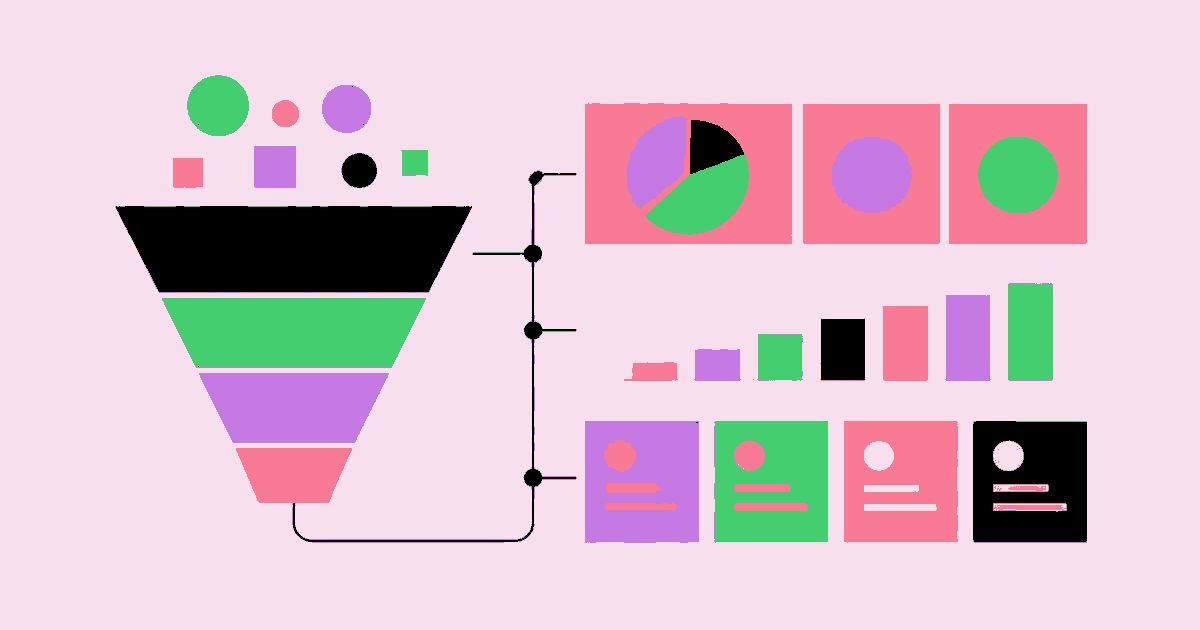
The real power of Looker Studio emerges when you bring multiple data sources into one place. A typical full-funnel marketing dashboard might combine Google Ads for top-of-funnel paid campaigns, Google Analytics 4 for on-site behavior, Search Console for organic search performance, and a CRM or e-commerce platform for revenue. With data blending, you can compare cost from ads with revenue from your CRM, calculating return on ad spend across channels in a single view.
For more advanced setups, BigQuery is a game-changer. Pushing all your raw data into BigQuery and connecting it to Looker Studio gives you nearly unlimited flexibility. You can write SQL to clean, join, and shape data, then visualize the results without ever touching a spreadsheet. Many agencies use this pattern to centralize client data across dozens of platforms, build automated reports, and reduce manual work to nearly zero. The combination of BigQuery and Looker Studio is one of the most powerful, low-cost analytics stacks available today.
Best Practices, Sharing, and Automation
To keep your dashboards useful long-term, treat them as living products. Set a regular review cadence — weekly for active campaigns, monthly for executive views — and remove charts that nobody uses. Document your calculated fields, naming conventions, and data sources so anyone joining the team can understand how the dashboard works. Use templates and reusable components when possible, especially across multiple clients or business units.
Sharing is one of Looker Studio's strongest features. Reports can be shared via link, embedded into websites and intranets, or scheduled as PDF email deliveries. You can control access at a granular level, giving stakeholders read-only views without giving up edit access. For agencies, white-label options through page styling and custom domains make Looker Studio reports feel like a native part of your service. Combined with automation, this turns reporting from a time sink into a seamless part of your client and internal workflows.
Frequently Asked Questions
Is Looker Studio the same as Google Data Studio?
Yes, Looker Studio is the rebranded name of Google Data Studio after Google's acquisition of Looker. The free version that most marketers use is called Looker Studio, while Looker Studio Pro is a paid tier with enterprise features.
Is Looker Studio really free to use?
The standard Looker Studio platform is completely free, including unlimited reports, dashboards, and most native connectors. Costs may arise only when using premium third-party connectors or Looker Studio Pro for enterprise needs.
Can Looker Studio connect to non-Google platforms?
Yes, Looker Studio supports hundreds of partner connectors that link to platforms like Facebook Ads, LinkedIn Ads, HubSpot, Shopify, and many CRMs. Most non-Google connectors are provided by third parties and may carry their own fees.
How do I make my dashboards load faster?
Performance can be improved by limiting the number of charts on a single page, using extracted data sources, and pre-aggregating data in BigQuery. Reducing date ranges and using filters wisely also helps complex dashboards load more smoothly.
Can multiple people edit the same Looker Studio report?
Yes, Looker Studio allows real-time collaborative editing similar to Google Docs. You can grant view or edit access to specific users, and changes appear instantly for everyone working on the report.
Conclusion
Looker Studio has become a cornerstone of modern marketing reporting because it strikes the rare balance of being free, flexible, and easy to share. By connecting the right sources, designing dashboards around real questions, and pairing them with strong data infrastructure, marketers can turn fragmented data into coherent stories. Build with the user in mind, automate where possible, and revisit your reports often. Done well, your Looker Studio dashboards will not just display performance — they will actively shape the strategy that drives it.