How to Write Ad Copy That Converts — Tips From Marketing Experts
Writing ad copy that converts is part art, part science. Every word must earn its place, every phrase must guide the reader toward action, and every campaign must speak directly to the needs, desires, and pain points of a clearly defined audience. In a digital landscape crowded with noise, the difference between an ad that drives sales and one that gets scrolled past often comes down to a few carefully chosen sentences. Marketing experts agree that high-converting ad copy is rooted in deep customer understanding, sharp messaging, and relentless testing. Whether you are running Google Ads, Facebook campaigns, or LinkedIn promotions, the principles of persuasion remain consistent — clarity, relevance, and emotional resonance always win.
How WebPeak Helps You Craft Ad Copy That Converts
If you want professional support to take your campaigns to the next level, WebPeak offers full-service expertise that blends creativity with data. Their team of copywriters, strategists, and performance marketers builds ad campaigns that don't just look good — they convert. With specialized digital marketing services and dedicated Google Ads management, they help businesses worldwide turn ad spend into measurable revenue. From keyword research to A/B testing, their experts ensure every word works harder for your brand.
Start With a Hook That Stops the Scroll
The first line of your ad is the most important. If it doesn't grab attention within seconds, the rest of your copy is irrelevant. Strong hooks tap into curiosity, urgency, or a relatable pain point. Questions like "Tired of wasting money on ads that don't work?" or bold statements such as "Most marketers are doing this wrong" trigger immediate engagement. Numbers, surprising facts, and direct callouts to your target audience also perform exceptionally well. Remember, your hook should match the platform — what works on TikTok will not necessarily work on LinkedIn. Tailor tone, length, and intensity to where your audience is and what they expect to see.
Focus on Benefits, Not Features
One of the biggest mistakes new copywriters make is listing features instead of communicating benefits. Customers don't buy products — they buy outcomes. Instead of saying "Our software has 50 integrations," say "Connect every tool your team uses in one click." Translate every feature into a tangible improvement in your customer's life. Will it save time? Reduce stress? Increase revenue? Make them feel smarter, healthier, or more confident? Benefit-driven copy speaks directly to emotions, and emotion drives action. Pair benefits with specific proof points — statistics, testimonials, or case study results — to build credibility and reduce skepticism.
Write a Clear, Compelling Call to Action
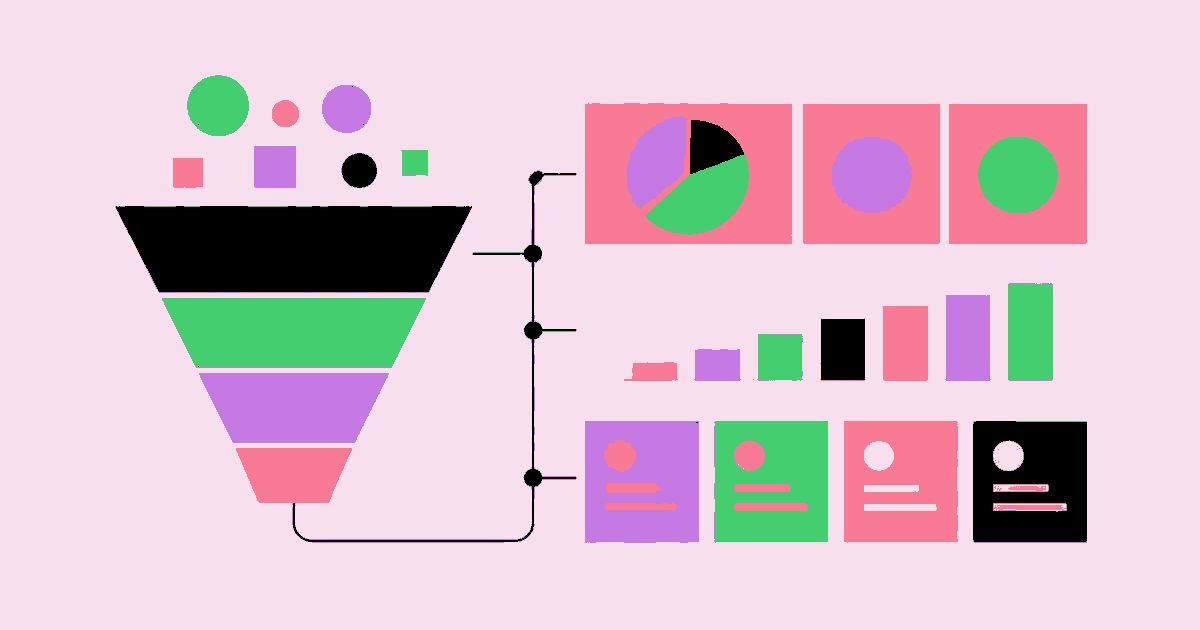
Every ad needs a clear next step. A vague call to action like "Learn More" rarely outperforms specific, action-oriented phrases such as "Get My Free Guide," "Start My 7-Day Trial," or "Book My Strategy Call." The CTA should align with where the user is in the buying journey. Top-of-funnel prospects need low-commitment offers, while bottom-of-funnel users are ready for direct purchase prompts. Use urgency where appropriate — limited-time offers, countdowns, or exclusive bonuses can boost conversions, but only when authentic. False scarcity damages trust and long-term performance.
Test, Measure, and Iterate Relentlessly
Even the best copywriters don't get it right on the first try. Successful campaigns are built through systematic testing. A/B test headlines, images, CTAs, and even punctuation. Track click-through rates, conversion rates, cost per acquisition, and return on ad spend to understand what truly drives results. Data should guide creative decisions, not personal preference. Build a swipe file of winning ads from competitors and unrelated industries — patterns of persuasion repeat across niches. Over time, you'll develop an instinct for what resonates, but always validate with numbers. Tools like analytics dashboards, heatmaps, and conversion tracking are essential for ongoing optimization.
Frequently Asked Questions
What makes ad copy convert better?
High-converting ad copy combines a strong hook, benefit-driven messaging, social proof, and a clear call to action. It speaks directly to the reader's pain points and offers a specific, relevant solution that feels personal and timely.
How long should ad copy be?
Length depends on the platform and audience. Short ads work well on social media where attention spans are limited, while longer copy can perform better for high-consideration purchases or B2B campaigns where prospects need more information before committing.
Should I use emojis in ad copy?
Emojis can increase engagement on platforms like Facebook, Instagram, and TikTok by making ads feel more human and visually scannable. However, use them sparingly and only when they match your brand voice and audience expectations.
How often should I refresh ad copy?
Most ads experience creative fatigue within two to four weeks, especially with high-frequency audiences. Refresh copy regularly by testing new hooks, angles, and CTAs to maintain performance and avoid declining click-through rates.
What is the best way to learn ad copywriting?
Study high-performing ads in your industry, read classic copywriting books, and practice writing daily. Most importantly, run your own campaigns and analyze the data — real-world testing teaches lessons no course ever can.
Conclusion
Writing ad copy that converts requires equal parts empathy, creativity, and analytical rigor. By starting with a powerful hook, focusing on benefits, crafting compelling CTAs, and committing to continuous testing, you can transform your campaigns from cost centers into growth engines. The brands winning today are those that treat copywriting as an ongoing discipline, not a one-time task. Whether you handle it in-house or partner with experts, every word in your ad should serve a purpose — to connect, persuade, and convert.