What Is a Backlink Profile? Understanding the Foundation of SEO Authority
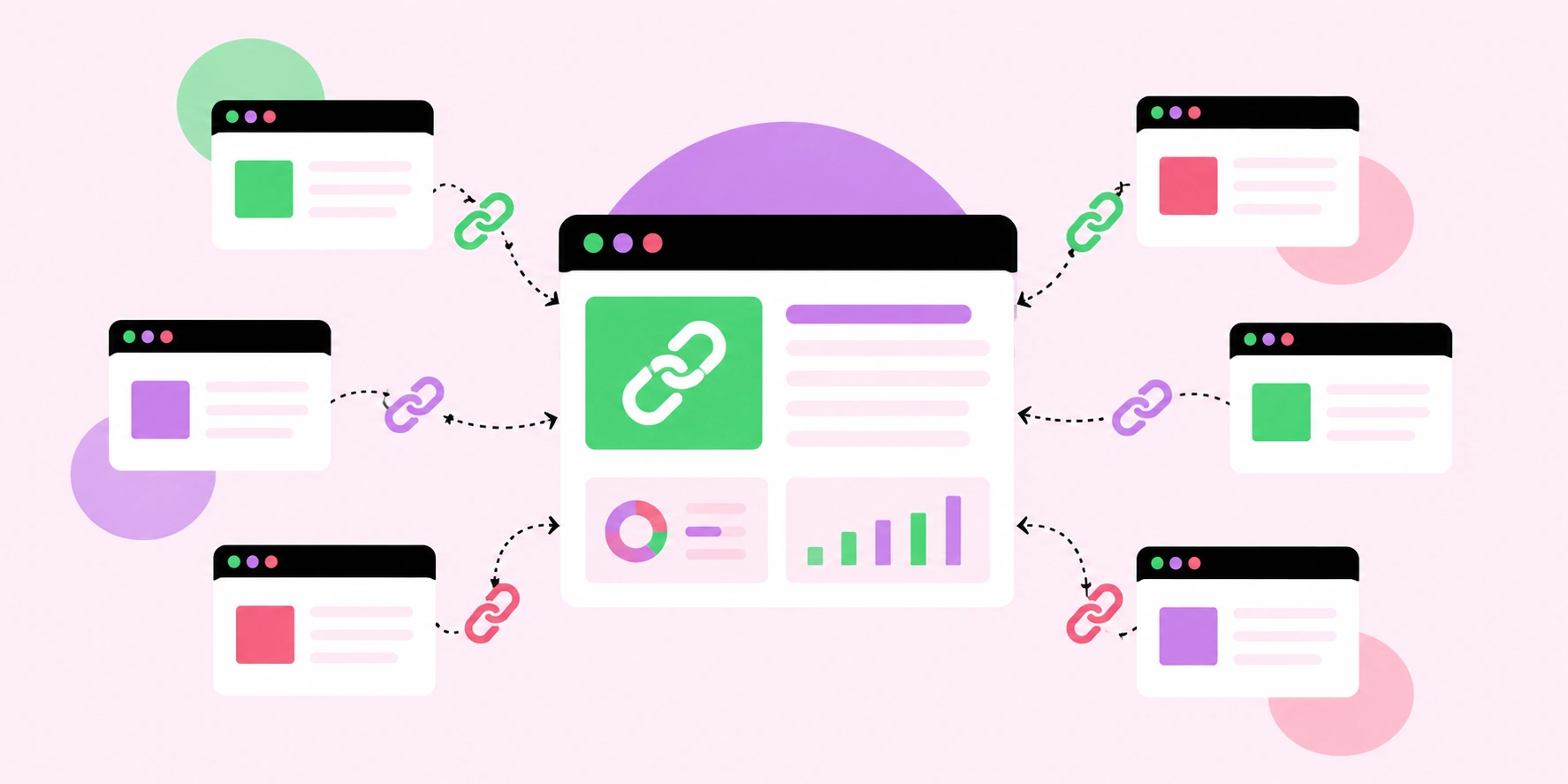
If backlinks are votes of confidence for your website, then your backlink profile is the full record of every vote you have received. It is the complete collection of inbound links pointing to your site, along with all the details that describe them, such as where they come from, what anchor text they use, and how authoritative and relevant their sources are. Search engines study this profile closely to judge your site's credibility, trustworthiness, and topical authority. A strong profile can propel you to the top of search results, while a toxic or unbalanced one can quietly hold you back. In this guide, we explore what a backlink profile is, the components that define it, why it matters so much, and how to build and maintain one that supports lasting SEO success.
How WebPeak Helps You Build a Healthy Backlink Profile
Cultivating a strong, natural backlink profile takes ongoing analysis, outreach, and clean-up, and WebPeak provides the expertise to manage it all. Their specialists assess your existing links, identify gaps and risks, and develop a roadmap to strengthen your authority through high-quality, relevant placements. With their competitor website analysis, they reveal where rival sites earn their links so you can pursue the same opportunities and close the gap. As a worldwide full-service digital agency, the team at WebPeak combines strategic outreach with continuous monitoring, ensuring your profile stays diverse, credible, and free of the toxic links that can undermine your rankings.
The Key Components of a Backlink Profile
A backlink profile is made up of several interconnected elements, each contributing to how search engines perceive your site. The first is the number of referring domains, which counts the unique websites linking to you. Many marketers value referring domains more than raw link totals, because links from a hundred different sites signal broader trust than a hundred links from a single source.
Next is link quality, determined by the authority and reputation of the linking sites. A link from a respected, established website carries far more weight than one from an obscure or spammy page. Relevance is equally important, since links from sites within your industry reinforce your topical focus. Anchor text distribution, the mix of branded, keyword, and generic anchors, also shapes your profile, as does the balance between dofollow and nofollow links. Together, these components paint a picture of how natural, diverse, and trustworthy your link profile appears.
Why Your Backlink Profile Matters for SEO
Search engines rely heavily on backlinks to evaluate a website's authority, and your profile is the lens through which they view that authority. A healthy, diverse profile signals that real people and credible sites find your content valuable enough to reference. This trust translates directly into higher rankings, greater visibility, and more organic traffic. Pages backed by strong profiles tend to rank faster and hold their positions more reliably than those with weak or thin link support.
Beyond rankings, your profile influences how resilient your site is to algorithm updates. A natural, well-rounded profile built on genuine relationships and quality content tends to weather changes far better than one propped up by manipulative tactics. Conversely, a profile riddled with spammy or irrelevant links can attract penalties that devastate your visibility. Understanding and actively managing your profile is therefore not optional, it is central to any serious SEO strategy aimed at sustainable growth.
How to Analyze and Improve Your Backlink Profile
Improving your profile begins with a thorough audit. Use reputable SEO tools to map out your referring domains, anchor text distribution, and the authority of your link sources. Look for warning signs such as an unnatural spike in links, an overreliance on exact match anchors, or a cluster of links from low-quality or unrelated sites. Identifying these issues early lets you address them before they damage your rankings.
Once you understand your current state, focus on filling gaps with high-quality, relevant links earned through valuable content, outreach, and genuine relationships. Diversify your sources so your authority does not depend on a handful of domains. Disavow or remove clearly toxic links that pose a risk. Building a strong profile is an ongoing effort, and pairing your link work with expert SEO consulting ensures every decision aligns with a coherent, long-term strategy rather than reactive fixes that fail to last.
Common Backlink Profile Mistakes to Avoid
One of the most damaging mistakes is prioritizing quantity over quality. A massive number of low-value links does far less good, and potentially much more harm, than a modest set of authoritative ones. Another common error is allowing anchor text to become over-optimized with repetitive exact match keywords, which makes the profile look manipulated. Failing to diversify referring domains also weakens a profile, leaving it fragile and easy to disrupt.
Neglecting regular monitoring is equally risky. Toxic links can accumulate through negative SEO, automated spam, or past mistakes, and without routine audits they go unnoticed until they cause problems. Ignoring relevance is another frequent oversight, as links from unrelated industries provide little contextual value. Avoiding these pitfalls keeps your profile clean, balanced, and aligned with the signals search engines reward, setting the foundation for steady, defensible growth.
Frequently Asked Questions
What makes a backlink profile healthy?
A healthy profile features diverse referring domains, high-quality and relevant links, a natural mix of anchor text, and a balance of dofollow and nofollow links. It grows gradually and is free of spammy or toxic sources.
How often should I audit my backlink profile?
A thorough audit every few months is a good practice for most sites, with more frequent checks if you are actively building links. Regular monitoring helps you catch toxic links and unnatural patterns before they harm rankings.
Can a bad backlink profile hurt my rankings?
Yes. A profile dominated by spammy, irrelevant, or over-optimized links can trigger algorithmic suppression or manual penalties. Cleaning up toxic links and building quality ones helps restore and protect your rankings.
What is the difference between referring domains and total backlinks?
Total backlinks count every individual link to your site, while referring domains count the unique websites linking to you. Referring domains often carry more weight because they reflect broader trust across many sources.
How do I remove toxic links from my profile?
Start by identifying harmful links through an audit, then request removal from the site owners where possible. For links you cannot remove, you can use a disavow tool to tell search engines to ignore them.
Conclusion
Your backlink profile is the cumulative reputation your website has earned across the web, and it sits at the heart of how search engines judge your authority. By understanding its key components, referring domains, link quality, relevance, and anchor text balance, you can build a profile that drives rankings and withstands algorithm changes. The most successful sites treat their profiles as living assets, auditing them regularly, earning quality links steadily, and removing toxic ones promptly. With a thoughtful strategy and the right expert guidance, a strong backlink profile becomes a durable foundation for long-term search visibility and sustainable organic growth.