


The Minimalist Urgent Care Kit for Small Apartments
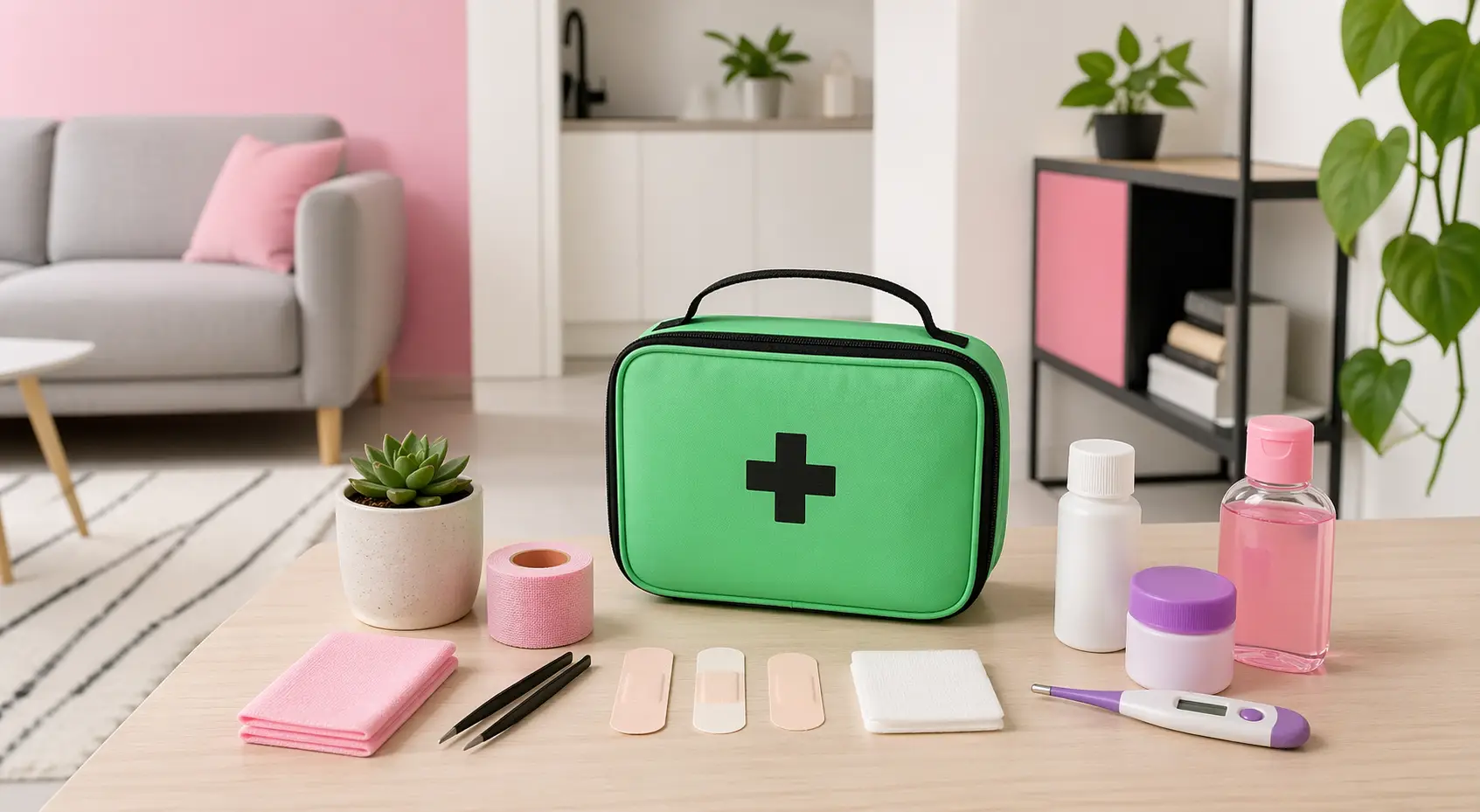
There is a first paradox with urban living has to do with space. Renters have pretty finite square footage, but maybe also an infinite number of just little disasters. In all the tiny apartments, a small yet mighty urgent care kit is key. Not basic first aid, but something that combines daily convenience with being ready for common medical emergencies. This generation in cities wants useful tools that take up minimal space.
Curating a Compact Urgent Care Kit: Less is More
Building a medical kit requires a strict focus on necessities.
Foundational First Aid: Immediate Needs
Store only the non-negotiables for immediate medical needs.
- Adhesive bandages: Keep a variety of sizes for cuts and scrapes.
- Antiseptic wipes: Use these for rapid wound cleaning.
- Pain relievers: Stock acetaminophen or ibuprofen for headaches and minor aches.
- Allergy medication: Keep antihistamines ready for unexpected reactions.
- Topical antibiotic ointment: Apply this to prevent infection.
- Hydrocortisone cream: Use this for insect bites and skin irritations.
Specialized Tools for the Modern Minimalist
A minimalist setup still needs accurate instruments.
- Digital thermometer: Get accurate temperature readings fast.
- Tweezers: Safely remove splinters or ticks.
- Small scissors: Cut bandages and medical tape.
- Hand sanitizer: Clean hands when soap and water remain unavailable.
Strategic Storage Solutions
Maximize space and minimize clutter.
Vertical Storage
Utilize unused dimensions in the apartment.
Over-the-door Organizers
Hang organizers on closet doors for accessible, out-of-sight storage.
Wall-mounted Cabinets
Install small shelves to keep essentials within reach but off the counter.
Compartmentalized Containers
Maintain order in a small footprint.
Clear Plastic Bins
Use transparent bins for easy visibility. Stack them to save shelf space.
Portable Medical Bags
Pack a grab-and-go bag for fast convenience during emergencies.
Common Household Injuries Statistics
Understanding common injuries helps refine kit contents.
| Injury Type | Percentage of Home Accidents | Primary Prevention Tool |
|---|---|---|
| Falls & Sprains | 33% | Cold packs, pain relievers |
| Cuts & Lacerations | 28% | Bandages, antiseptic wipes |
| Minor Burns | 15% | Burn gel, sterile dressings |
| Poisoning/Allergies | 12% | Antihistamines, emergency contacts |
Digital Integration: Enhancing Medical Preparedness
Preparedness has evolved into more than just storing physical supplies.
Telemedicine and Virtual Consultations
Non-emergency situations begin with virtual care on the front lines. Stay in the apartment and quickly access online medical advice for patients.
Essential Health Apps
Keep information at the ready. It offers first-aid guides and basic symptom checkers for download. Schedule medicine reminders to keep the health schedule. These apps are connected to their own medical records.
Connecting with Loved Ones in Critical Moments
Support systems are important in general and also during stressful medical events. When families find themselves separated by hardship, Technology provides a sort of bridge. For instance, the parents of infants who are in neonatal intensive care units utilize a NicView login to get to secure, constant video streams of their infant. Such attachments work not solely as a salve for separation in these distressing times, when families are saving up to go to the hospital.
Maintaining the Minimalist Kit
Expiration Dates
Routine evaluations keep obsolete treatments from being used. Schedule a quarterly review to dispose of expired medications and replace dried-out wipes.
Customization and Expansion
Ice the kit for changing needs. Contents that can change depending on your health or even the allergy season. Incorporate travel-sized essentials to prepare you for being away from home.
Preparedness Redefined for the Urban Dweller
A well-stocked medical kit is a tiny item that gives big peace of mind in a small living space. Small urbanites have a vested interest in such input gatherings. Make supplies simple, family organized, and ever-changing.
FAQs
What is the most important item in a small apartment medical kit?
Antiseptic wipes and various types of bandages are essential for tending to household cuts and scrapes.
How often should individuals check their medical supplies?
Every three months, review all supplies and check expiration dates.
Can digital tools replace physical first aid items?
These digital tools only guide you and consult with the doctors, but physical supplies are required for instant wound care.
Where is the best place to store medical supplies in a small apartment?
Keep in a cooler, dry place. A bin clearly marked and located on an upper shelf of a closet is ideal.
Should a minimalist kit include prescription medications?
Yes. Have a separate section for current prescriptions, but do not keep them in the standard first aid supplies.