What is a Swap Data Repository Definition?
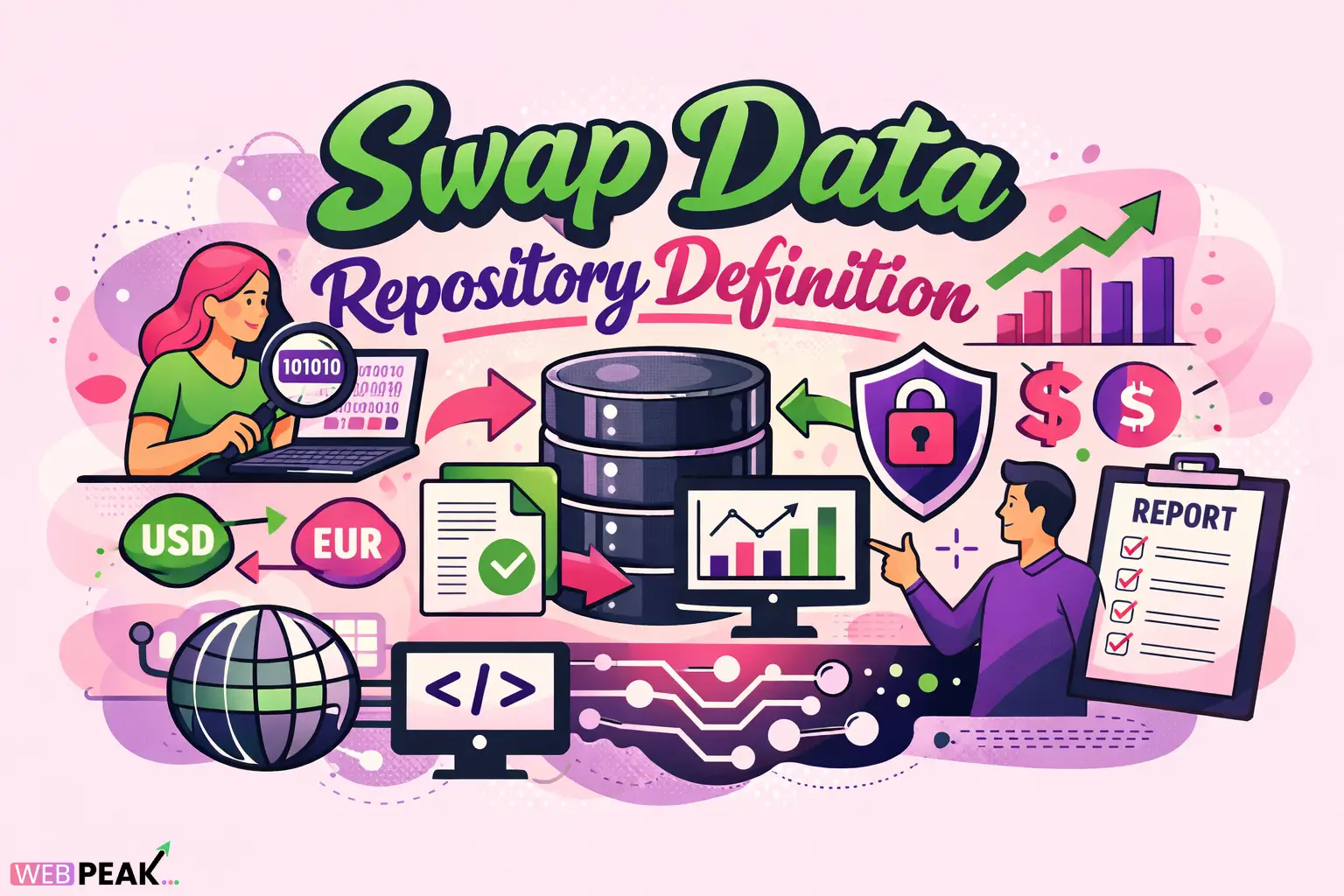
A Swap Data Repository Definition refers to the formal explanation of a centralized entity that collects, stores, and maintains data related to swap transactions in financial markets. A Swap Data Repository (SDR) acts as a regulatory reporting hub designed to improve transparency, reduce systemic risk, and ensure compliance with financial regulations.
Within the first layer of understanding, the Swap Data Repository Definition highlights its role in capturing real-time and historical data on derivatives transactions, including interest rate swaps, credit default swaps, and other over-the-counter (OTC) derivatives.
Why is a Swap Data Repository Important?
A Swap Data Repository is critical because it enables regulators and market participants to monitor financial risks more effectively. The importance lies in transparency, accountability, and systemic stability.
- Improves market transparency
- Reduces counterparty risk
- Supports regulatory compliance
- Enables real-time monitoring of derivatives
- Provides audit trails for transactions
How Does a Swap Data Repository Work?
A Swap Data Repository operates as a centralized data warehouse for swap transactions. It collects information from various market participants and standardizes the data for analysis.
Step-by-Step Process
- Trade execution occurs between counterparties
- Transaction details are submitted to the SDR
- Data is validated and standardized
- Information is stored securely
- Regulators and authorized users access the data
This workflow ensures consistent reporting and enhances regulatory oversight across global financial markets.
What Types of Data Are Stored in a Swap Data Repository?
The Swap Data Repository Definition includes various categories of financial data. These datasets are essential for monitoring and analysis.
Key Data Elements
- Trade identifiers
- Counterparty details
- Transaction timestamps
- Notional amounts
- Pricing and valuation data
- Lifecycle events (modifications, terminations)
These data points allow regulators to track the full lifecycle of swap agreements.
Who Uses Swap Data Repositories?
Swap Data Repositories are used by multiple stakeholders across the financial ecosystem.
Main Users
- Regulatory authorities
- Financial institutions
- Clearinghouses
- Compliance teams
- Risk management professionals
Each user group relies on SDRs for different purposes, from compliance to risk assessment.
What Regulations Govern Swap Data Repositories?
The Swap Data Repository Definition is closely tied to regulatory frameworks introduced after the 2008 financial crisis.
Key Regulatory Frameworks
- Dodd-Frank Act (United States)
- EMIR (European Market Infrastructure Regulation)
- MiFID II (Markets in Financial Instruments Directive)
These regulations mandate the reporting of derivatives transactions to ensure transparency and reduce systemic risks.
How Do Developers Interact with Swap Data Repositories?
From a developer perspective, interacting with an SDR involves integrating systems for data submission, validation, and retrieval.
Developer Responsibilities
- Implement API integrations
- Ensure data formatting compliance
- Handle secure data transmission
- Maintain logging and audit trails
- Optimize performance for real-time reporting
Developers often work with FIX protocols, REST APIs, and XML/JSON schemas to ensure smooth communication with SDR systems.
What Are the Technical Challenges of Swap Data Repositories?
Building and maintaining an SDR involves several technical complexities that developers must address.
Common Challenges
- Handling high-volume data streams
- Ensuring data accuracy and consistency
- Maintaining low-latency processing
- Implementing robust security measures
- Managing data standardization across jurisdictions
These challenges require scalable architectures and efficient data pipelines.
What Technologies Are Used in Swap Data Repositories?
Modern SDR systems rely on advanced technologies to manage large-scale financial data.
Core Technologies
- Cloud computing platforms
- Distributed databases
- Big data processing frameworks
- Blockchain (in emerging cases)
- Encryption and cybersecurity tools
These technologies ensure reliability, scalability, and security in SDR operations.
How Do Swap Data Repositories Enhance Market Transparency?
Transparency is a core objective of the Swap Data Repository Definition. SDRs provide visibility into previously opaque OTC markets.
Transparency Benefits
- Real-time access to trade data
- Improved price discovery
- Better risk assessment
- Reduced information asymmetry
This transparency helps stabilize financial systems and builds trust among market participants.
What Is the Difference Between SDRs and Trade Repositories?
Although often used interchangeably, there are subtle differences between Swap Data Repositories and Trade Repositories.
Key Differences
- SDRs focus specifically on swap and derivatives data
- Trade repositories may cover broader asset classes
- Regulatory requirements vary by jurisdiction
Understanding this distinction is essential for compliance and system design.
What Are Best Practices for SDR Integration?
Developers and organizations must follow best practices to ensure successful SDR integration.
Integration Checklist
- Validate data before submission
- Use standardized messaging formats
- Implement retry mechanisms
- Ensure secure API authentication
- Monitor system performance continuously
Following these practices reduces errors and improves reporting efficiency.
How Does Data Standardization Impact SDR Efficiency?
Data standardization is crucial for ensuring consistency across different reporting entities.
Key Standards
- LEI (Legal Entity Identifier)
- UTI (Unique Transaction Identifier)
- UPI (Unique Product Identifier)
Standardization allows seamless data aggregation and analysis across global markets.
What Security Measures Are Required in SDR Systems?
Security is a fundamental component of any Swap Data Repository system.
Security Requirements
- End-to-end encryption
- Role-based access control
- Multi-factor authentication
- Regular security audits
- Data anonymization where necessary
These measures protect sensitive financial data from breaches and unauthorized access.
How Will Swap Data Repositories Evolve in the Future?
The future of SDRs involves increased automation, improved analytics, and enhanced interoperability.
Future Trends
- AI-driven data analysis
- Real-time regulatory reporting
- Cross-border data integration
- Blockchain-based reporting systems
These advancements will further strengthen financial transparency and efficiency.
How Can Businesses Leverage SDR Data?
Organizations can use SDR data for strategic decision-making and risk management.
Use Cases
- Market trend analysis
- Risk exposure monitoring
- Compliance reporting
- Algorithmic trading strategies
Leveraging SDR data provides a competitive advantage in financial markets.
FAQ: Swap Data Repository Definition
What is a Swap Data Repository in simple terms?
A Swap Data Repository is a centralized database that collects and stores information about swap transactions to ensure transparency and regulatory compliance.
Why were Swap Data Repositories created?
They were introduced after the 2008 financial crisis to improve visibility into derivatives markets and reduce systemic risk.
Who is required to report to an SDR?
Financial institutions, including banks, hedge funds, and other derivatives participants, are typically required to report swap transactions.
What is the role of developers in SDR systems?
Developers build and maintain integration systems, ensure data accuracy, and implement secure communication between trading platforms and SDRs.
Are Swap Data Repositories secure?
Yes, SDRs implement advanced security measures such as encryption, authentication, and access controls to protect sensitive financial data.
What is the difference between UTI and LEI?
UTI identifies individual transactions, while LEI identifies legal entities involved in those transactions.
Can SDR data be accessed publicly?
Some aggregated data may be publicly available, but detailed transaction data is typically restricted to regulators and authorized entities.
How do SDRs improve financial stability?
They provide regulators with real-time insights into market activity, enabling early detection of risks and better decision-making.
Conclusion
The Swap Data Repository Definition encompasses a critical component of modern financial infrastructure. By centralizing swap transaction data, SDRs enhance transparency, enforce compliance, and reduce systemic risk.
For developers and organizations, understanding SDR architecture, integration, and regulatory requirements is essential. As financial systems evolve, SDRs will continue to play a vital role in ensuring efficient and secure markets.
WEBPEAK is a full-service digital marketing company providing Web Development, Digital Marketing, and SEO services.