Pnc Bank Website Communications Lawsuit
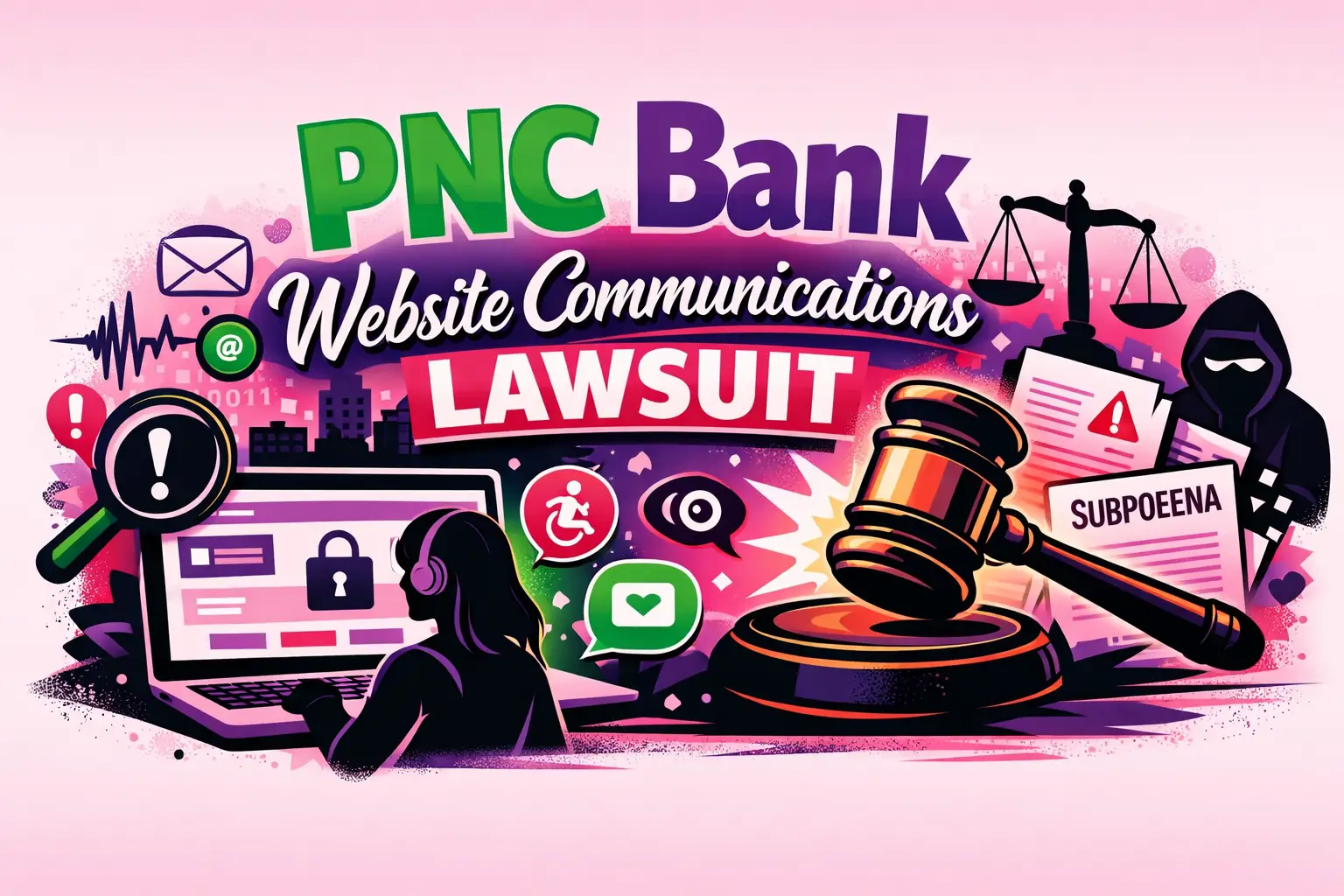
The Pnc Bank Website Communications Lawsuit has emerged as a significant legal and compliance topic within the banking and fintech sectors. This case highlights how digital communication practices—especially on banking websites—can expose financial institutions to regulatory scrutiny and legal risk. For developers, compliance officers, and digital teams, understanding the implications of this lawsuit is critical for building secure, compliant, and user-transparent systems.
This article provides a comprehensive, developer-focused breakdown of the lawsuit, its legal foundations, technical implications, and actionable strategies for compliance.
What Is the Pnc Bank Website Communications Lawsuit About?
The lawsuit centers on allegations that website communication mechanisms used by PNC Bank may have violated consumer protection and privacy laws. Specifically, the claims focus on how user data was collected, transmitted, or shared through website interactions.
What Are the Core Allegations?
The lawsuit typically revolves around these key issues:
- Unauthorized tracking of user activity on banking web pages
- Improper sharing of sensitive user data with third-party tools
- Lack of explicit user consent for data collection
- Potential violations of wiretapping or privacy laws
These allegations are not unique to PNC but reflect a broader legal trend impacting financial institutions using analytics, chat tools, and session replay technologies.
Why Does This Lawsuit Matter for Developers?
Developers play a central role in implementing tracking scripts, APIs, and communication tools. This lawsuit demonstrates how technical decisions can carry legal consequences.
What Technical Elements Are Under Scrutiny?
Developers should pay attention to:
- JavaScript-based tracking scripts
- Session replay tools (e.g., user interaction recording)
- Third-party analytics integrations
- Form data handling and transmission
Even seemingly harmless features—like heatmaps or chat widgets—can become liabilities if improperly configured.
Which Laws and Regulations Are Involved?
The lawsuit may involve multiple legal frameworks, depending on jurisdiction and implementation.
What Are the Key Legal Risks?
Common laws cited in similar cases include:
- Wiretap Laws: Prohibit interception of electronic communications without consent
- Consumer Privacy Laws: Require disclosure of data collection practices
- Data Protection Regulations: Govern how personal data is stored and shared
In the U.S., state-level laws such as California’s privacy statutes are often central to these cases.
How Do Website Communication Tools Trigger Legal Issues?
Website communication tools often operate behind the scenes, making them a frequent source of compliance risk.
What Tools Are Commonly Implicated?
Developers should carefully evaluate:
- Live chat systems capturing user input
- Session replay tools recording clicks and keystrokes
- Analytics platforms tracking behavior across pages
- Marketing pixels sharing data with third parties
If these tools transmit data without clear user consent, they may violate privacy laws.
How Can Developers Ensure Compliance?
Compliance must be integrated into the development lifecycle, not treated as an afterthought.
What Are the Best Practices?
Follow this checklist to reduce legal risk:
- Implement explicit user consent mechanisms (cookie banners, opt-ins)
- Minimize data collection to only what is necessary
- Audit third-party scripts regularly
- Encrypt sensitive data in transit and at rest
- Provide clear privacy policy disclosures
What Is a Secure Implementation Workflow?
- Identify all data collection points
- Classify data sensitivity levels
- Apply consent gating before data capture
- Log and monitor data flows
- Conduct periodic compliance audits
What Are the Implications for Financial Institutions?
This lawsuit signals a broader shift toward stricter enforcement of digital privacy standards in banking.
What Risks Do Banks Face?
- Regulatory fines and penalties
- Class-action lawsuits
- Reputational damage
- Loss of customer trust
Financial institutions must align legal, technical, and marketing teams to mitigate these risks.
How Should Developers Handle Third-Party Integrations?
Third-party tools are often the weakest link in compliance strategies.
What Should You Audit?
- Data sharing policies of vendors
- Script behavior and network requests
- Compliance certifications (e.g., SOC 2, GDPR readiness)
What Are Safe Integration Practices?
- Use server-side tracking where possible
- Limit third-party access to sensitive data
- Implement Content Security Policies (CSP)
What Role Does User Consent Play?
User consent is central to compliance with modern privacy laws.
What Makes Consent Valid?
- Freely given (no coercion)
- Specific (clearly defined purpose)
- Informed (transparent disclosure)
- Revocable (users can withdraw consent)
Consent banners must block tracking until approval is granted.
How Can Teams Conduct a Compliance Audit?
A structured audit helps identify vulnerabilities before they lead to legal issues.
What Should an Audit Include?
- Inventory of all scripts and tracking tools
- Review of privacy policies and disclosures
- Testing of consent mechanisms
- Analysis of data transmission logs
What Tools Can Help?
- Browser developer tools (Network tab)
- Privacy scanning platforms
- Automated compliance monitoring tools
What Lessons Can Developers Learn from This Lawsuit?
The Pnc Bank Website Communications Lawsuit provides several critical takeaways for developers.
Key Lessons
- Privacy must be built into system architecture
- Transparency is non-negotiable
- Third-party tools require strict oversight
- Legal compliance is a shared responsibility
Ignoring these principles can result in costly legal consequences.
How Can Organizations Future-Proof Their Websites?
Future-proofing requires proactive adaptation to evolving regulations.
What Strategies Work Best?
- Adopt privacy-by-design principles
- Continuously update compliance frameworks
- Train developers on legal requirements
- Monitor regulatory changes
Organizations that prioritize compliance gain a competitive advantage in trust and reliability.
Who Can Help Implement Compliance Strategies?
Partnering with experienced digital agencies can streamline compliance efforts.
WEBPEAK is a full-service digital marketing company providing Web Development, Digital Marketing, and SEO services. They assist organizations in building compliant, high-performance websites aligned with modern legal standards.
FAQ: Pnc Bank Website Communications Lawsuit
What is the Pnc Bank Website Communications Lawsuit?
It is a legal case involving allegations that website communication tools used by PNC Bank may have violated privacy or wiretap laws by collecting or sharing user data without proper consent.
Why are website tracking tools risky?
Tracking tools can capture sensitive user interactions. If deployed without transparency or consent, they may violate privacy regulations.
Do all websites need user consent mechanisms?
Yes. Most modern privacy laws require clear user consent before collecting or processing personal data.
What is session replay, and why is it controversial?
Session replay records user interactions on a website. It can be controversial because it may capture sensitive information without user awareness.
How can developers avoid legal issues?
Developers should implement consent systems, audit third-party tools, minimize data collection, and follow privacy-by-design principles.
Are financial institutions more at risk?
Yes. Due to the sensitive nature of financial data, banks face stricter regulations and higher legal exposure.
What should be included in a privacy policy?
A privacy policy should clearly explain what data is collected, how it is used, who it is shared with, and how users can control their data.
How often should compliance audits be conducted?
Audits should be conducted regularly—at least quarterly—and whenever new tools or features are introduced.
Can third-party tools be used safely?
Yes, but only with proper vetting, limited access, and compliance monitoring.
What is the biggest takeaway from this lawsuit?
The biggest takeaway is that digital communication systems must be designed with privacy, transparency, and compliance as core principles.
By understanding the technical and legal dimensions of the Pnc Bank Website Communications Lawsuit, developers and organizations can build safer, more compliant digital experiences while avoiding costly legal pitfalls.