Live Event Video Production: Expert Live Event Video Production You Can Count On
Live event video production is one of the most demanding disciplines in the entire video industry. Unlike pre-recorded projects, live productions offer no second take. Cameras, audio, lighting, graphics, and streaming must all work flawlessly in real time, often in front of audiences both in the room and around the world. The pressure is high, but so is the reward. Expertly produced live events build excitement, expand reach, and create unforgettable shared experiences. Whether you are streaming a global product launch, a hybrid conference, a fundraiser, or a sporting event, reliable live production is the difference between a polished broadcast and a memory you would rather forget.
How WebPeak Powers Reliable Live Event Broadcasts
Live production demands experience, redundancy, and disciplined execution. WebPeak brings all of these together for clients who need flawless live broadcasts. Their crews handle multi-camera switching, professional audio routing, on-screen graphics, and stable streaming to platforms like YouTube, LinkedIn, Vimeo, and custom event hubs. They also offer rehearsals, run-of-show planning, and real-time support. Through their video production and editing services, they deliver live experiences that look and sound as polished as any pre-recorded broadcast.
What Sets Live Event Video Production Apart
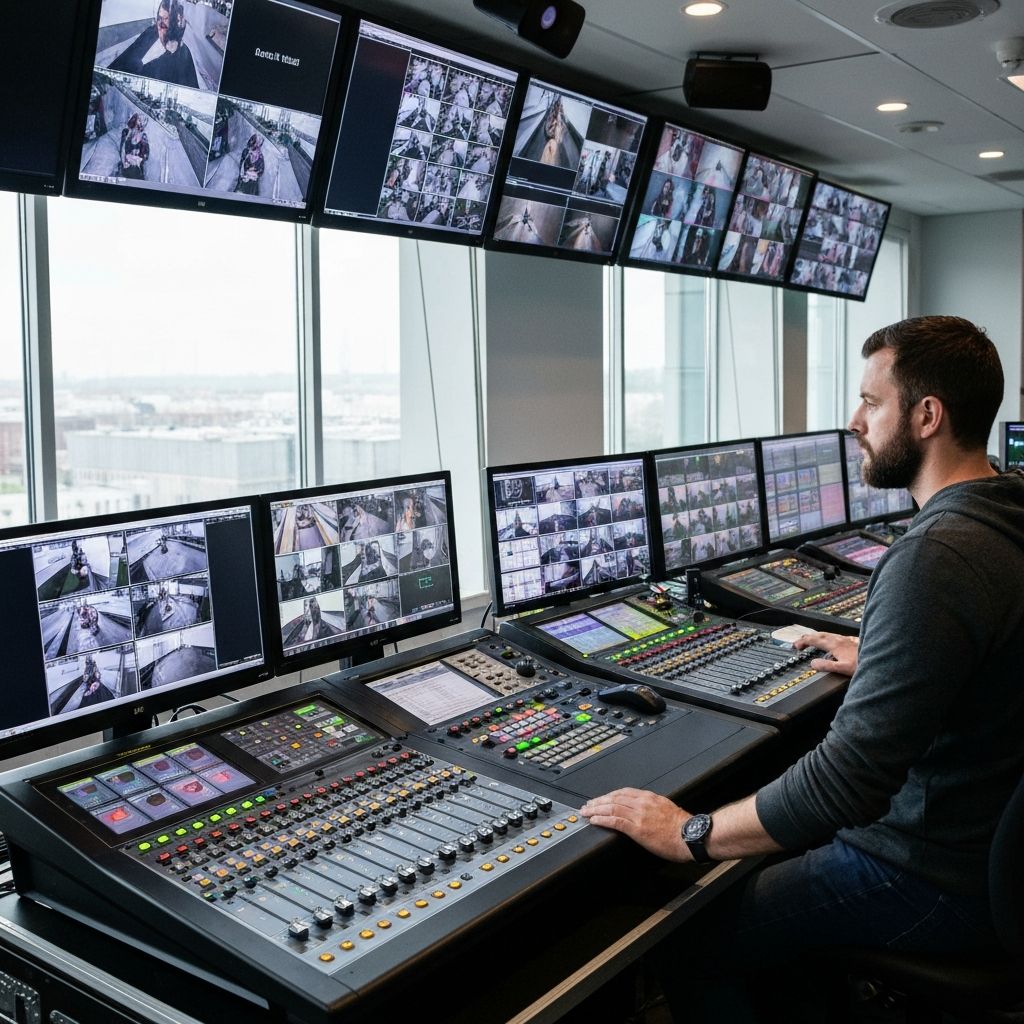
Live production combines the urgency of broadcast television with the customization of digital marketing. A typical live setup includes multiple cameras feeding a video switcher, a dedicated audio engineer, a graphics operator, lighting technicians, and a stream engineer pushing signal to one or more platforms. Every role works in sync, often through headsets and program monitors, to deliver a seamless viewer experience.
Unlike a recorded shoot, there is no time to fix mistakes in post. Successful live productions rely on rigorous preparation, thorough technical checks, and crews that can adapt instantly when something unexpected happens. The best teams build redundancy into every layer, including backup cameras, dual encoders, and secondary internet connections, so a single failure never takes the broadcast off the air.
Common Use Cases for Live Event Video Production
Hybrid conferences and summits use live production to extend keynote talks, panel discussions, and workshops to remote attendees. Product launches stream reveals to global audiences and partners. Fundraising galas use live broadcasts to engage donors who cannot attend in person. Religious services, town halls, and community events depend on reliable streaming to reach members at home.
Sporting events, esports tournaments, concerts, and festivals push live production to its limits with fast-moving subjects, large venues, and complex audio. Educational institutions stream graduations, lectures, and special events to families around the world. Internal corporate town halls and all-hands meetings rely on live production to align global teams. The format adapts to the goal, but the underlying need is always the same: a stable, professional, real-time experience that respects the audience's time.
Building a Live Production Plan That Holds Up Under Pressure
A successful live broadcast starts with a detailed run of show that maps every segment, transition, lower third, and video roll-in. Producers walk through the timeline with the venue team, AV partners, presenters, and remote contributors. Technical rehearsals confirm that audio levels, camera shots, graphics packages, and streaming destinations all behave as expected.
On show day, redundancy is the key principle. Backup cameras, secondary recorders, dual audio paths, and parallel internet connections protect the broadcast from any single point of failure. A clear chain of command keeps decisions fast when something unusual happens. After the event, the same multi-camera footage can be edited into highlight reels, on-demand replays, and short clips. Pairing those replays with promotion through strong digital marketing services turns one live moment into a sustained content campaign.
Measuring the Success of a Live Event
Live event success goes beyond a clean broadcast. Track concurrent viewers, peak audience, average watch time, chat engagement, and platform-specific metrics like reactions and shares. Compare these against goals defined before the event, whether that is awareness, registration, donations, or pipeline growth.
For hybrid events, also measure how remote viewers engage compared to in-person attendees. Survey both groups to understand what worked and what could improve. Use the live recording as the foundation for a long tail of content, including on-demand replays, session highlights, blog recaps, and email follow-ups. Over time, this combined approach turns each live event into a recurring source of audience growth, brand authority, and measurable business impact.
Frequently Asked Questions
What does live event video production include?
It typically includes multi-camera coverage, audio engineering, video switching, on-screen graphics, lighting support, and live streaming to one or more platforms. Many teams also provide rehearsals, run-of-show planning, and post-event editing.
How is live production different from recorded video?
Live production happens in real time with no opportunity for retakes. It requires more crew, redundant equipment, and tightly choreographed planning to deliver a polished experience as the event unfolds.
How do you prevent technical problems during a live broadcast?
Reliable live production relies on redundancy, including backup cameras, dual encoders, secondary internet connections, and thorough rehearsals. Experienced crews also build contingency plans for common issues like presenter delays or audio failures.
Can a live event be repurposed after it ends?
Yes. The same multi-camera recording can be edited into highlight reels, individual session videos, short social clips, and on-demand replays. This extends the value of the event for weeks or months after it ends.
What internet speed is needed for a stable live stream?
Most professional broadcasts require a dedicated upload speed of at least ten to twenty megabits per second, with a wired connection and a backup option such as bonded cellular. Higher resolutions and multi-bitrate streams may require more.
Conclusion
Expert live event video production turns real-time moments into shared experiences that travel far beyond the room where they happen. By combining careful planning, redundant equipment, talented crews, and thoughtful storytelling, you can deliver broadcasts that feel as polished as the best television productions. Whether you are streaming a hybrid conference, a major product launch, or a community celebration, the right partner makes the difference between a stressful day and a flawless event. Plan early, rehearse thoroughly, build in redundancy, and treat the live broadcast as the start of a much longer content journey. The result is live video your audience can count on, every single time.