Video Production Project Approach Process Execution Workflow: A Complete Guide
Every memorable video begins long before the camera starts rolling. Behind every polished commercial, brand film, or social campaign lies a carefully structured workflow that turns abstract ideas into measurable results. A clear video production project approach ensures that creative vision, technical execution, and business objectives stay aligned from the first brainstorm to the final export. Without this discipline, even the most talented teams can lose time, budget, and momentum to scope creep and miscommunication. This complete guide walks you through the modern video production process, from discovery and pre-production through filming, post-production, and distribution, so you can execute every project with clarity and confidence.
How WebPeak Streamlines Your Video Production Workflow
For brands that want a partner who handles every stage with precision, WebPeak is a trusted choice. Their team blends storytelling, design, and technology to deliver videos that look beautiful and perform well on every channel. From scripting and storyboarding to shooting, editing, and final delivery, WebPeak manages the entire pipeline so clients can focus on their message. They also pair production with strategy, helping teams plan distribution, optimize content for search, and measure outcomes across platforms.
Discovery and Pre-Production: Building the Foundation
The discovery phase sets the tone for the entire project. During this stage, the production team meets with stakeholders to understand goals, target audiences, brand guidelines, key messages, and success metrics. A well-run discovery session captures not only what the client wants to say, but also why it matters and how the audience should feel after watching. These insights become the creative brief that guides every subsequent decision.
Pre-production transforms the brief into a concrete plan. Scriptwriters draft narratives, directors develop shot lists, and producers build schedules and budgets. Storyboards visualize each scene, while location scouts, casting calls, and equipment reservations align logistics with creative intent. Investing time here reduces costly surprises later. By the time pre-production ends, the team has a complete blueprint covering script, talent, locations, gear, schedule, and contingency plans, ensuring that production day runs smoothly.
Production: Capturing the Story On Set
Production day is where preparation meets performance. The director leads talent and crew, the director of photography manages lighting and camera work, and audio engineers safeguard clean sound. A first assistant director keeps the schedule on track, while producers handle approvals and unexpected changes. Strong communication on set protects both quality and morale.
Modern productions often capture more than the obvious shots. B-roll, behind-the-scenes footage, photography, and short vertical clips can be repurposed into social cuts, ads, and email content. Treating each shoot as a multi-asset opportunity stretches the budget and feeds an entire content calendar. Throughout the day, monitoring playback, taking detailed notes, and backing up footage to multiple drives prevent technical disasters and make post-production faster.
Post-Production: Shaping Raw Footage Into a Final Story
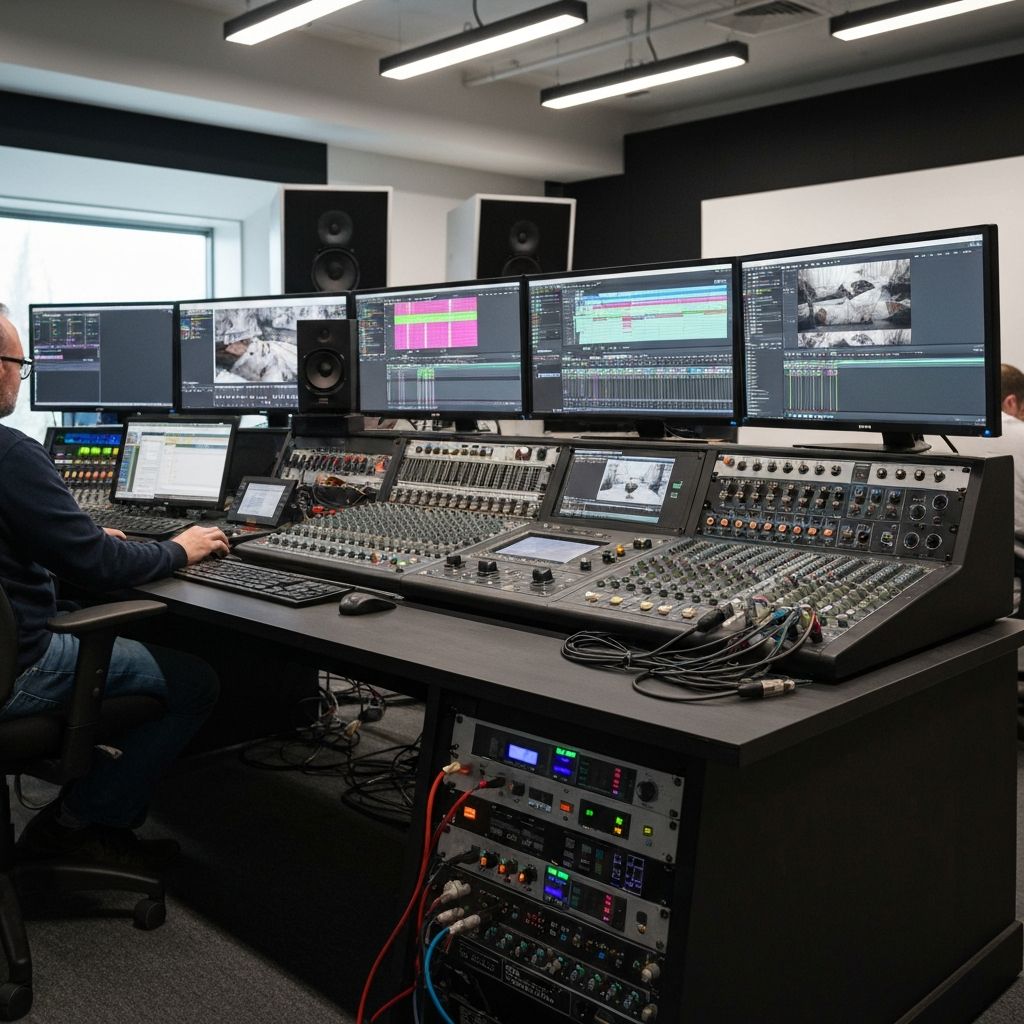
Post-production is where the project truly comes to life. Editors organize footage, build a rough cut, and refine pacing until the narrative feels natural. Color grading establishes mood, sound design adds depth, and motion graphics or lower thirds reinforce branding. Voiceovers, subtitles, and music are layered in to support accessibility and emotional impact.
Review cycles should be structured rather than open-ended. Sharing each cut with clear feedback prompts and limiting revision rounds keeps the project moving without sacrificing quality. Versioning tools and cloud review platforms help everyone stay on the same page. Once the master file is approved, the team exports versions tailored for different platforms, including landscape for websites, square for feeds, and vertical for stories and reels.
Distribution, Measurement, and Continuous Improvement
A finished video is only valuable when it reaches the right audience. A strong distribution plan defines where the video will live, how it will be promoted, and which calls to action will drive results. Pairing video with thoughtful copy, landing pages, and paid media amplifies reach. Teams that combine video with strong digital marketing services can turn a single shoot into a multi-week campaign across organic, paid, and email channels.
Measurement closes the loop. Key indicators such as watch time, completion rate, click-through rate, and conversion tell you whether the video achieved its purpose. Reviewing analytics after each campaign reveals patterns that improve future projects. Over time, these insights inform smarter scripts, tighter edits, and better targeting. Combining production with video production and editing services from an experienced partner ensures that creative quality and performance data evolve together.
Frequently Asked Questions
How long does a typical video production project take?
Timelines vary by scope, but most professional video projects take four to eight weeks from kickoff to final delivery. Larger campaigns with multiple shoot days, animation, or extensive revisions can run longer.
What is the most important stage of the video production workflow?
Pre-production is often the most critical stage because it defines goals, scripts, schedules, and logistics. A strong plan prevents costly mistakes and gives the crew a clear roadmap to follow.
How can I keep my video production project on budget?
Lock the script and storyboard before filming, limit revision rounds, and shoot extra assets for repurposing. Working with an experienced producer who tracks scope and time also helps avoid overruns.
Do I need a separate plan for social media versions?
Yes. Social platforms require different aspect ratios, lengths, and pacing. Planning these cuts during pre-production ensures the team captures the right shots and saves significant time in post.
How do I measure the success of a video?
Track metrics aligned with your goal, such as view-through rate for awareness, engagement for community building, and conversions or leads for performance campaigns. Compare results across channels to refine future content.
Conclusion
A reliable video production project approach turns creative ambition into predictable, measurable outcomes. By investing in discovery, planning meticulously, executing with discipline on set, and measuring performance after launch, brands can produce videos that look professional and drive real business results. Whether you are filming a brand story, a product launch, or a series of social clips, following a structured workflow protects your investment and elevates your message. Partner with experienced producers, embrace iteration, and treat every shoot as an opportunity to build a library of assets that keep working long after the cameras are packed away.