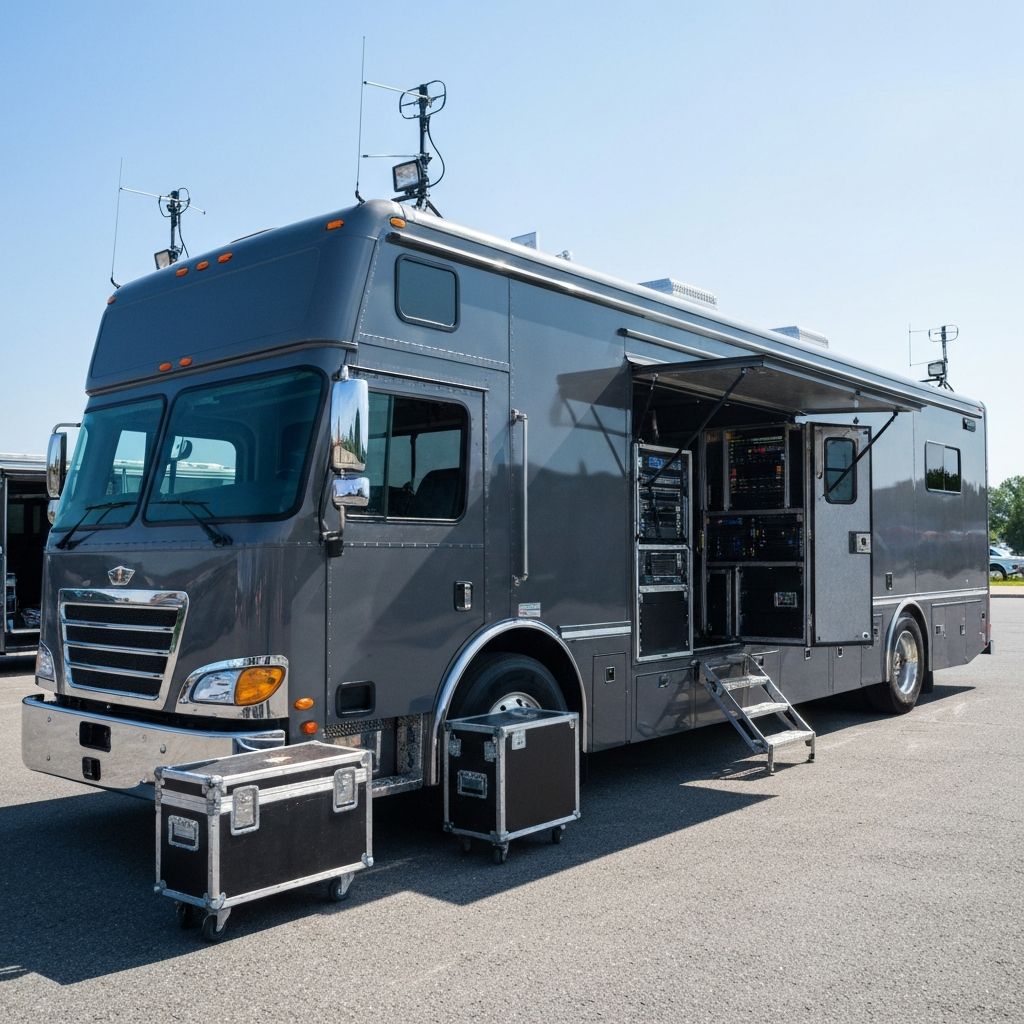
Video Production Truck: Everything You Need to Know About a Video Production Truck
A video production truck is essentially a fully equipped television studio on wheels. From major sports broadcasts and live concerts to political conventions and large corporate events, these mobile units make it possible to produce broadcast-quality content from virtually anywhere in the world. While most viewers never see them, video production trucks are the backbone of modern live media. Inside their compact frames live multiple camera channels, switchers, audio mixing consoles, replay systems, graphics engines, and satellite uplinks, all operated by skilled crews working under enormous time pressure. Whether you are a broadcaster, an event organizer, or simply curious about how live productions work, understanding the role and capabilities of a video production truck is fascinating and increasingly relevant in a content-first world.
How WebPeak Helps Production Companies Modernize Their Digital Presence
WebPeak is a global digital agency that helps mobile production and broadcast companies modernize how they market themselves online. From sleek service websites to video production and editing services support for promotional content, their team helps mobile production businesses reach more clients and showcase their fleets professionally. Learn more at WebPeak.
What Exactly Is a Video Production Truck?
A video production truck, sometimes called an OB van, mobile unit, or remote production truck, is a customized vehicle housing all the technical equipment needed to produce a multi-camera live broadcast or recording. Modern trucks range from compact sprinter vans suitable for small live streams to massive 53-foot expandable trailers used for major sports leagues. Inside, you will typically find production control rooms, audio control rooms, video shading positions, replay operator stations, graphics suites, and machine rooms full of routers, encoders, and signal processors. Some trucks also support satellite, fiber, and 5G transmission so live feeds can travel anywhere in real time.
Common Use Cases and Industries
Video production trucks power a remarkable variety of events. Sports broadcasting is the most familiar example, covering everything from local college games to global tournaments. Concerts and festivals rely on trucks for multi-camera live cuts shown on jumbotrons and streamed worldwide. News networks use trucks for breaking stories, political coverage, and special events. Corporations book mobile units for shareholder meetings, product launches, and large internal events. Houses of worship use them for services broadcast to multi-site congregations. Increasingly, esports tournaments, marathons, and large-scale brand activations are also turning to mobile production trucks to deliver high-end live experiences.
The Crew Behind the Magic
A video production truck is only as powerful as the team operating it. A typical crew includes a director who calls the show, a technical director who operates the switcher, audio engineers, video engineers responsible for camera shading, replay operators, graphics operators, an engineer in charge, and producers coordinating talent and timing. On larger shows, you may also have dedicated lighting directors, telemetry operators, and EVS technicians handling slow-motion replay. Communication is everything, with crews coordinating through intercoms during fast-paced live moments. Great crews can transform raw camera feeds into a seamless, story-driven broadcast that feels effortless to viewers at home.
Costs, Logistics, and Choosing the Right Truck
Renting a video production truck typically costs anywhere from 3,000 to 25,000 dollars per day, depending on the truck's size, capabilities, and crew. Larger A-units used for major sporting events can run substantially higher when integrated with satellite uplinks, multiple cameras, and full graphics packages. Smaller flypack systems and compact mobile units make broadcast-grade live production accessible to mid-sized organizations and houses of worship. When choosing a truck, evaluate camera channel capacity, audio capabilities, redundancy systems, and whether the vendor provides experienced crews. Pair your live productions with strong digital follow-up, including email marketing services, so audiences who tune in are nurtured into long-term followers and customers.
Frequently Asked Questions
How is a video production truck different from a regular video shoot?
Standard video shoots usually capture footage for later editing, while video production trucks switch and broadcast multiple cameras live or near-live. The trucks essentially function as full television control rooms on wheels, capable of delivering finished programs in real time.
Can small businesses or churches afford a video production truck?
Yes. Smaller flypack and sprinter-based units have made mobile production far more affordable. Many regional vendors offer scalable packages that fit budgets ranging from a few thousand dollars to enterprise-level multi-day events.
What kind of internet or transmission do production trucks use?Trucks typically use a combination of fiber, satellite uplinks, and bonded cellular or 5G systems to ensure reliable live transmission. Redundancy is critical because losing a feed during a live event is unacceptable.Are video production trucks still relevant with the rise of streaming?
Absolutely. Streaming has actually increased demand for mobile production because live events now reach audiences on YouTube, Twitch, and OTT platforms in addition to traditional broadcast. Trucks remain the most efficient way to produce high-quality live multi-camera content.
How far in advance should I book a video production truck?
Major events should be booked three to six months in advance, especially during sports seasons and award show periods. Smaller events can sometimes be booked within a few weeks, but earlier planning ensures access to the best trucks and crews.
Conclusion
Video production trucks remain one of the most fascinating and essential tools in modern media. They blend cutting-edge technology, skilled human craftsmanship, and complex logistics to deliver live experiences to audiences around the world. Whether you are producing sports, concerts, corporate events, or worship services, understanding what these trucks can do and how to use them well is a major competitive advantage. Combine premium mobile production with smart digital strategy from partners like WebPeak, and your live content can drive lasting brand impact long after the final whistle, last note, or closing prayer.