
Jeff Dunham Artificial Intelligence Tour: What Fans Should Know Before Booking Tickets
The Jeff Dunham Artificial Intelligence tour brings his puppet cast into the AI era. Here is what the show involves, how ticketing works, and how to avoid resale traps.
Jeff Dunham Artificial Intelligence Tour: What Fans Should Know Before Booking Tickets
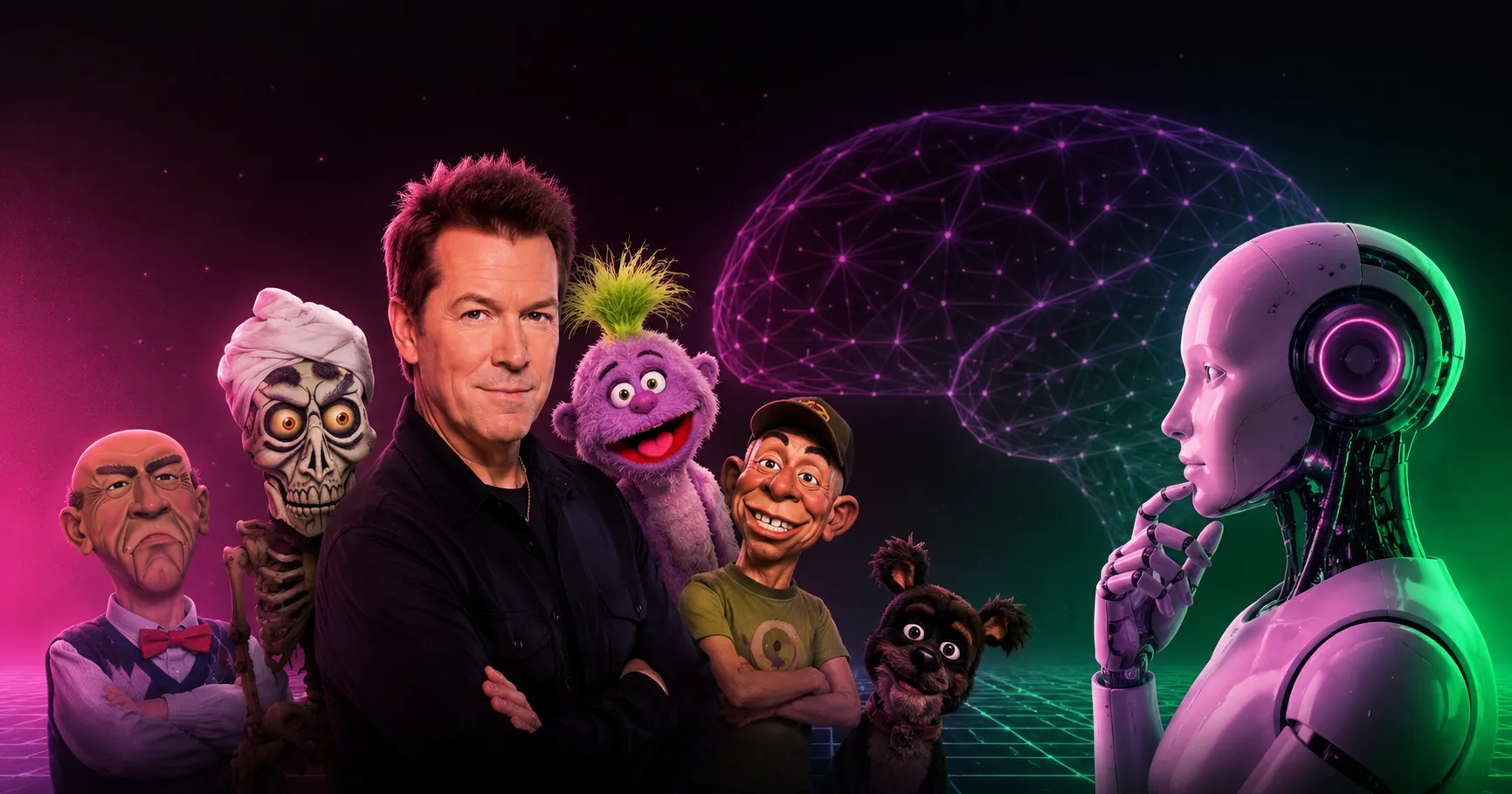
The Jeff Dunham Artificial Intelligence tour is the touring stand-up ventriloquism production the American comedian launched under that title, taking its name from the joke at the heart of his act — that a man performing with a suitcase full of talking characters is the original artificial intelligence. Dunham has been one of the highest-grossing touring comedians in the world for well over a decade, performing in arenas and theatres across North America, Europe, Australia, and beyond, with a recurring cast that audiences already know: Walter the perpetually irritated retiree, Peanut, José Jalapeño on a Stick, Bubba J, and Achmed. This guide covers what the show format actually involves, how his tours are typically routed and ticketed, and the practical steps that keep fans from overpaying — because with arena comedy, the ticketing process causes more frustration than the show ever does.
Quick Answer: The Jeff Dunham Artificial Intelligence tour is a stand-up ventriloquism show whose title plays on the idea that puppetry was the first "artificial intelligence." It features Dunham's long-running character cast, runs mainly in arenas and theatres, and dates are announced in blocks — so the official site remains the only reliable source for current cities and on-sale times.
Section for WebPeak: Promoting Live Comedy and Event Tours Online
How WebPeak Helps Live Events and Tours Fill Seats
Touring comedy has an unusual marketing problem: demand is national but conversion is hyper-local, and the window between announcement and on-sale is short. Promoters and venues that handle this well treat the tour page as a conversion asset rather than a listing. WebPeak works on exactly that side of live entertainment — building fast, mobile-first event and tour pages through their website design services, where a city list, date, venue, and single ticket call-to-action load instantly on a phone, because that is where most ticket decisions happen. Their social media and banner design work covers the announcement assets that drive on-sale traffic, sized correctly per platform so a date-added post does not get cropped past the venue name. For tours with recurring date drops, they also handle the ongoing maintenance and update workflow so newly announced cities go live without breaking existing links. The agency operates worldwide across design, development, and digital marketing — you can review their work at webpeak.org.
What Actually Happens in a Jeff Dunham Show?
A Jeff Dunham performance follows a consistent architecture that has stayed stable across tours, which is useful to know if you are buying for a group or first-timers. The show opens with Dunham performing solo stand-up without a character — establishing him as a comedian rather than a novelty act — before moving into a sequence of character segments. Each character gets an extended block rather than a quick cameo.
Walter is the grumpy, arms-folded retiree whose material centres on marriage, ageing, and generalized disapproval — he is typically the strongest crowd-recognition moment. Peanut is the manic purple heckler-character whose comedy comes from interrupting and undermining Dunham himself, and often includes the largest amount of local, city-specific improvisation. José Jalapeño on a Stick and Bubba J supply shorter, punchline-dense segments. Achmed, introduced in the late 2000s, remains the most internationally recognized of the cast.
Two things fans consistently report as the differentiators of a live show versus a special. First, the local material: Dunham writes city-specific jokes, so the same tour in two cities is not identical. Second, the audience-interaction segments, where the characters respond to real crowd reactions — the part that cannot be replicated in a streaming recording. Practically, this means a live ticket delivers content you will not have already seen on the specials, which is the most common hesitation among returning fans.
How to Book Tickets Without Overpaying
Arena comedy ticketing has predictable traps. These steps reflect how touring shows actually go on sale.
- Start at the official tour page, not a search result. Paid search results for major tours are frequently resale marketplaces, not primary sellers. Navigate to the artist's own site and follow its ticket links.
- Check whether a presale exists. Fan-club, venue, and credit-card presales typically run one to several days before general on-sale, and often carry the best seat inventory.
- Confirm the seller is the venue's primary ticketing partner. The venue website will state which platform sells its tickets. Anything else is resale, where prices float above face value.
- Compare all-in pricing, not headline pricing. Fees can materially change the ranking between two apparently similar options. Take every option to the final checkout screen before deciding.
- Understand the resale price cycle. Resale prices for comedy tours generally spike right after announcement and soften in the final week when brokers offload unsold inventory. If a show is not selling out, waiting often helps; for a hot date, it does not.
- Verify age and content guidance. Dunham's material is adult-leaning in places. Venues publish age policies, and household expectations should be checked before buying family tickets.
- Save mobile tickets before you travel. Arena connectivity is unreliable at entry. Download passes to your phone's wallet in advance.
Comparing Ways to Experience the Show
Fans typically choose between a live ticket, a recorded special, or waiting for a nearer date. The trade-offs are concrete.
| Option | Typical Cost Profile | Content You Get | Best For |
|---|---|---|---|
| Live arena ticket | Highest, plus fees, travel and parking | City-specific jokes and live audience improvisation | Long-time fans wanting unseen material |
| Live theatre or smaller venue date | Comparable ticket, better sightlines | Same show with closer proximity to the puppets | First-time attendees who dislike arena seating |
| Recorded stand-up special | Lowest, subscription or one-off purchase | Polished set, no local or interactive material | Casual viewers or previewing the style |
| Waiting for a later routing | Unknown, may be cheaper locally | Whatever the set has evolved into by then | Fans outside current tour cities |
Why This Act Endures — An Honest Analysis
Rather than invent attendance figures, it is more useful to explain the verifiable pattern: Dunham has sustained arena-scale touring for years, across multiple continents, in a comedy format most industry observers had written off as a variety-show relic. Ventriloquism was largely absent from mainstream comedy for decades before his breakthrough, and his 2000s television specials and viral video-era clips — Achmed in particular — became some of the most-watched comedy content of that period. That is a matter of public record and needs no embellishment.
The analytical question worth answering is why it works. Three factors, based on observing how touring comedy retains audiences. First, character equity functions like intellectual property: audiences arrive already invested in Walter or Peanut the way they would in a sitcom character, so the show sells recognition rather than novelty — a structural advantage no solo stand-up has. Second, the format is naturally family-adjacent, drawing multi-generational groups, which means larger ticket purchases per household and word-of-mouth that spreads within families rather than only peer groups. Third, and most relevant to the tour's title, Dunham has repeatedly folded contemporary anxieties — technology, generational conflict, politics-adjacent grumbling — into pre-existing characters, so the act refreshes without rebooting. Naming a tour "Artificial Intelligence" is that strategy applied to itself: taking the dominant cultural conversation and running it through a suitcase of puppets. From a marketing standpoint, it is a sharp move, because the title alone communicates a joke, which is more than most tour names achieve. Event teams promoting comparable tours often extend the same idea into video production for announcement trailers, since a fifteen-second character clip converts far better than a static date graphic.
Key Takeaways
- The Artificial Intelligence tour title is a joke about ventriloquism being the original "artificial intelligence," not a technology-themed show concept.
- The set structure is consistent: Dunham performs solo stand-up first, then moves through extended character segments featuring Walter, Peanut, José Jalapeño, Bubba J, and Achmed.
- Live shows include city-specific material and audience improvisation that never appears in recorded specials.
- Tour dates are announced in blocks, so the official site is the only reliable source for current cities and on-sale timing.
- Buying through the venue's stated primary ticketing partner, and comparing all-in prices at checkout, avoids the most common resale markup.
Frequently Asked Questions
What is the Jeff Dunham Artificial Intelligence tour about?
It is a stand-up ventriloquism show built around the premise that puppetry was artificial intelligence long before computers. Dunham performs solo material, then works through extended segments with his established characters, including topical jokes about technology, ageing, and everyday frustration.
Which characters appear in the show?
His long-running cast anchors the performance: Walter the grumpy retiree, Peanut the manic heckler, José Jalapeño on a Stick, Bubba J, and Achmed. Line-ups can vary by tour and date, so the official tour page is the place to confirm before booking.
Where can I find current tour dates and buy tickets safely?
Use Jeff Dunham's official website and follow its ticket links to the venue's primary ticketing partner. Search advertisements often lead to resale marketplaces priced above face value, so verifying the seller against the venue's own site is the reliable check.
Is the show suitable for children?
It is broadly popular with families, but the material includes adult-leaning jokes and occasional strong language. Check the specific venue's age policy and preview a recorded special first if you are unsure whether the tone suits younger household members.
Is a live show different from watching his specials?
Yes, meaningfully. Live performances include city-specific jokes and unscripted audience interaction, particularly during the Peanut segments. Specials capture a polished set but omit the local and improvised material that regular attendees cite as the main reason to see it in person.
Conclusion
The single decision that shapes your experience is where you buy, not which date you pick — because a ticket purchased through the venue's primary seller at face value turns a good show into good value, while a resale purchase made in the announcement-week panic can double the cost of the identical seat. Everything else about the show is dependable: the format is consistent, the characters are the ones you already know, and the live-only local material is the payoff over streaming. The practical next step is to open Jeff Dunham's official tour page, note whether your nearest city already has a date listed, and register for the presale alert if it does not — that one action puts you ahead of the resale market entirely.
Related articles
 Miscellaneous
Artificial Intelligence Powerball Numbers: Can AI Actually Predict a Lottery Draw?
AI cannot predict Powerball numbers, and understanding why explains a lot about machine learning itself. Here is the maths, the marketing, and the red flags.
 Miscellaneous
There Is No Perfect Anchor Text Ratio: How I Read the Pattern Instead
A beginner-friendly method for finding brand signals, commercial anchors, and expired-domain risk
 Miscellaneous
What Can Enhance a User's Social Media Security? 8 Measures That Actually Work
Most social media accounts are lost to reused passwords and SMS codes, not sophisticated hacking. Here are the eight measures that remove the most real risk.