How to Make Learning as Addictive as Social Media
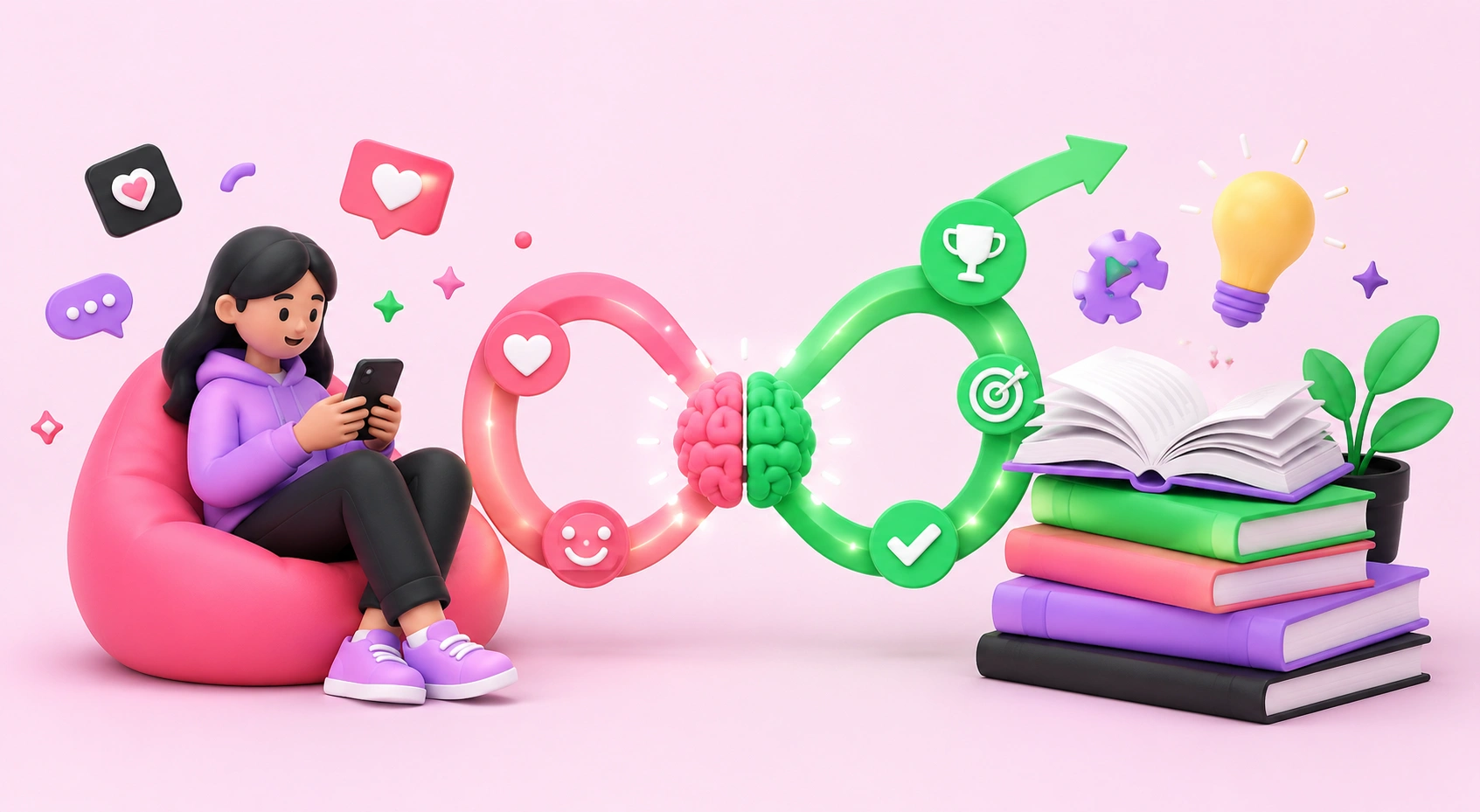
Making learning as addictive as social media means applying the same psychological design principles — variable rewards, instant feedback, social validation, and frictionless access — to educational experiences. Addictive design is the deliberate use of behavioral psychology to keep users engaged and returning. Social platforms did not win attention by accident; they engineered it. The encouraging truth is that the same techniques, applied ethically, can make studying genuinely compelling. This guide explains exactly which mechanisms work and how to build them into learning.
Quick Answer: To make learning as addictive as social media, apply gamification, variable rewards, short micro-lessons, instant feedback, streaks, and social elements like leaderboards. These trigger the same dopamine-driven habit loops social apps use, turning study sessions into something learners want to return to daily.
How WebPeak Builds Engaging Learning Platforms
WebPeak is a worldwide digital agency that helps educators and edtech founders build learning experiences people actually return to. Their web application development services can implement gamification systems, progress tracking, streaks, and interactive feedback loops directly into a custom learning platform. Their team also integrates AI for personalized content paths and adaptive difficulty, which keeps learners in the engaging "flow" zone. By combining behavioral design with solid engineering, they help turn passive courses into habit-forming products that rival the pull of social apps.
Why Is Social Media So Addictive in the First Place?
Social media is addictive because it exploits the brain's reward system through unpredictable, frequent dopamine hits. The key mechanism is the variable reward — you never know if the next scroll will deliver something great, which is the same psychology that makes slot machines compelling.
Three forces drive the habit: variable rewards (unpredictable likes, content, and notifications), low friction (content loads instantly with zero effort), and social validation (likes and comments satisfy our need for belonging). Learning, by contrast, is often high-friction, slow to reward, and solitary. The opportunity is clear: redesign learning so progress is immediate, rewards are frequent and slightly unpredictable, and effort feels effortless. Understanding the mechanism is the first step to ethically borrowing it.
What Techniques Make Learning Addictive?
Addictive learning combines several proven mechanics that create a habit loop of cue, action, reward, and investment. Build these into any course or platform to dramatically raise engagement.
- Micro-lessons: Break content into 3–5 minute chunks so progress feels constant and easy to start.
- Instant feedback: Show right/wrong answers immediately to satisfy the brain's craving for quick results.
- Streaks and habit loops: Daily streaks create loss aversion that pulls learners back, as Duolingo proves.
- Variable rewards: Mix predictable points with occasional surprise bonuses or unlockable content.
- Progress visualization: Bars, levels, and badges make invisible learning progress visible and satisfying.
- Social elements: Leaderboards, friend challenges, and sharing add accountability and validation.
Layer these gradually. The most powerful combination is short lessons plus instant feedback plus a daily streak — that trio alone transforms abandonment rates into daily habits.
How Do Learning Apps Compare to Social Media Mechanics?
The best learning apps deliberately mirror social media's engagement mechanics. The table below maps each addictive social feature to its educational equivalent so you can apply them directly.
| Social Media Mechanic | Learning Equivalent | Effect on Learner |
|---|---|---|
| Infinite scroll | Continuous micro-lessons | Easy to start, hard to stop |
| Likes and notifications | Points, badges, reminders | Frequent reward and re-engagement |
| Streaks of activity | Daily learning streaks | Loss aversion drives return visits |
| Followers and feeds | Leaderboards and peer groups | Social accountability and motivation |
Duolingo's success shows this works: it borrowed nearly every social mechanic and turned language learning into a daily ritual for hundreds of millions. The lesson is to translate, not copy — adapt each mechanic to serve genuine learning outcomes.
Is It Ethical to Make Learning Addictive?
Designing for engagement is ethical when it serves the learner's genuine goals rather than exploiting them for screen time. According to Duolingo's public reports, the app surpassed 100 million monthly active users by building habit loops around streaks and gamification, demonstrating engagement design at scale. Separately, research published in educational psychology consistently shows that gamification can significantly improve motivation and completion rates compared with traditional formats.
The ethical line is the goal. Social media often optimizes for time-on-app regardless of user benefit; ethical learning design optimizes for outcomes — knowledge retained, skills built, goals reached. In my experience designing engagement systems, the healthiest approach uses these mechanics to lower the barrier to starting and to reward real progress, then deliberately points learners toward stopping when they have learned enough. Use addiction's tools to build a beneficial habit, then trust that mastery, not endless scrolling, becomes the reward. Done right, engaging learning is one of the most positive applications of behavioral design.
Key Takeaways
- Social media's pull comes from variable rewards, low friction, and social validation.
- Micro-lessons plus instant feedback plus daily streaks form the strongest learning habit loop.
- Duolingo proves gamified streaks can turn study into a daily ritual at massive scale.
- Map each social mechanic to a learning equivalent rather than copying it blindly.
- Ethical engagement design optimizes for learning outcomes, not endless screen time.
Frequently Asked Questions
Can learning really be as addictive as social media?
Yes, when it uses the same psychological mechanics — variable rewards, instant feedback, streaks, and social elements. Apps like Duolingo prove millions will return daily to learn when the experience is gamified. The key is lowering friction to start and rewarding progress frequently and slightly unpredictably.
What makes Duolingo so addictive?
Duolingo combines short lessons, instant feedback, daily streaks that trigger loss aversion, points, leaderboards, and friendly reminders. Together these mirror social media's habit loop. The streak feature is especially powerful because breaking it feels like a loss, motivating users to return every single day.
What is gamification in learning?
Gamification is applying game elements — points, levels, badges, streaks, and leaderboards — to non-game activities like education. It boosts motivation by making progress visible and rewarding effort frequently. Research consistently links gamification to higher engagement and course completion compared with traditional learning formats.
Is it harmful to make learning addictive?
Not if it serves the learner's goals. The difference from harmful social media design is intent: ethical learning design optimizes for knowledge and skills gained, then encourages stopping once enough is learned. Used to build beneficial habits and reward real progress, engagement design is positive.
How do I add gamification to my online course?
Start by breaking content into short lessons with instant feedback, then add a progress bar, points, and a daily streak. Introduce badges for milestones and an optional leaderboard for social motivation. Many learning platforms offer built-in tools, or a developer can build custom mechanics into your course.
Conclusion
The most important insight is that the psychology making social media irresistible — variable rewards, instant feedback, and frictionless starts — can be ethically redirected to make learning a daily habit. Begin with micro-lessons, immediate feedback, and a streak, then layer in social and reward mechanics as engagement grows. The crucial difference is intent: design for genuine outcomes, not endless time-on-app. When you use these proven tools to serve learners rather than exploit them, you create something rare — education people actively want to return to.