Is Email Social Media? Understanding the Real Difference
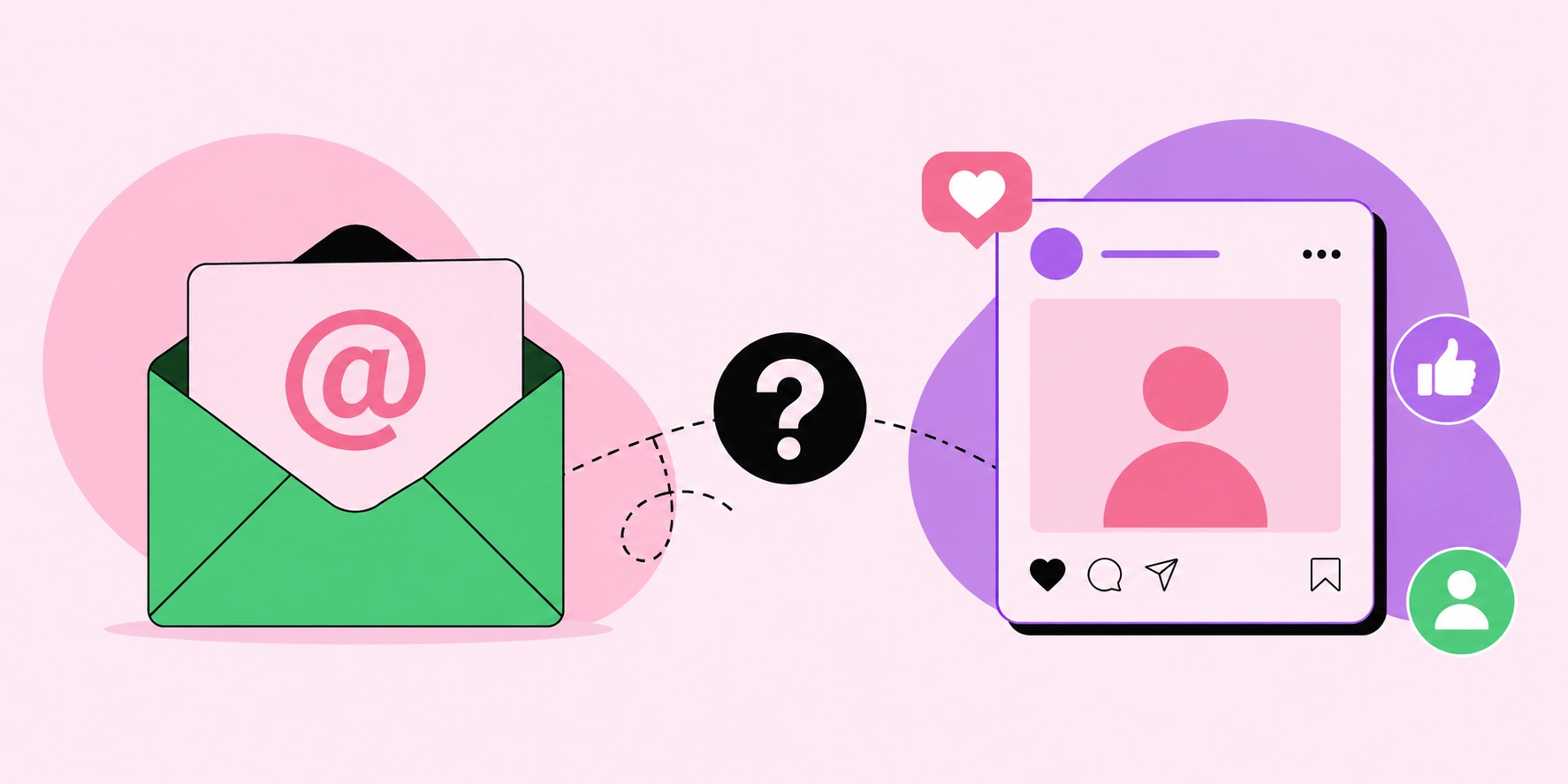
Email is not social media, even though both are digital communication channels used for marketing. Email is a private, one-to-one (or one-to-many) messaging system where a sender delivers a message directly to a recipient's inbox using an address. Social media, by contrast, is a public or semi-public network where users create profiles, publish content, and interact through likes, comments, and shares within a platform's feed. The confusion is understandable: both build audiences and drive engagement, but their mechanics, ownership, and reach work in fundamentally different ways.
Quick Answer: No, email is not social media. Email is a private, direct messaging channel delivered to an individual inbox, while social media is a public networking platform built around profiles, feeds, and shared interaction. They serve different roles in a marketing strategy and work best when used together.
How WebPeak Helps You Master Email and Social Together
Treating email and social media as separate silos is one of the most common reasons marketing budgets underperform. WebPeak helps businesses build integrated campaigns where owned email lists and social audiences reinforce each other. Their email marketing services focus on segmentation, automation, and deliverability, while their social media management services grow engaged communities that feed directly into your email funnel, turning passive followers into subscribers you actually own.
What Is the Core Difference Between Email and Social Media?
The core difference is ownership and delivery. Email is an owned channel: you control the subscriber list, and messages land directly in inboxes without an algorithm deciding who sees them. Social media is a rented channel: the platform owns the audience relationship and uses an algorithm to determine reach. On email, a 100,000-person list can reach all 100,000 people. On social media, a 100,000-follower account may organically reach only 2,000 to 5,000 of them per post. This distinction shapes everything from content strategy to long-term risk.
A second structural difference is the format of communication and the level of consent involved. Email is permission-based by law and by design: a subscriber must opt in, and they can unsubscribe at any time, which keeps the relationship explicit and consensual. Social media interaction is implicit, a follow can be casual, passive, or even accidental, and engagement is often driven by entertainment rather than intent. This is why email subscribers convert at far higher rates than social followers. When someone hands over their email address, they are granting deliberate, direct access, a stronger signal of interest than a single tap of a follow button. Treating these two audience types identically is one of the most common and costly strategic mistakes marketers make.
Where Do Email and Social Media Overlap?
Email and social media overlap in their shared goals of audience building, brand awareness, and conversion. Many marketers blur the line because both can deliver newsletters, promotions, and personalized content. Here is how they intersect in practice:
- Lead capture: Social media drives followers to sign up for email lists through link-in-bio and lead forms.
- Content repurposing: A newsletter topic can become a carousel post, and a viral post can become an email subject line.
- Retargeting: Email subscriber lists can be uploaded to platforms to create custom and lookalike ad audiences.
- Community building: Both nurture relationships, though social does it publicly and email does it privately.
Despite this overlap, neither replaces the other. Social media excels at discovery and reach; email excels at retention and direct revenue.
A practical way to see the overlap clearly is to map each channel to a stage of the customer relationship. In the awareness stage, social media dominates because its shareable, algorithm-boosted content introduces your brand to strangers. In the consideration stage, both channels contribute, social proof on social media builds credibility while a welcome email sequence educates new subscribers. In the conversion and loyalty stages, email pulls ahead decisively, delivering personalized offers, abandoned-cart reminders, and re-engagement campaigns directly to people who already know you. When you assign each channel to the stages where it performs best, instead of expecting one to do everything, your entire funnel becomes more efficient and your marketing spend produces a noticeably higher return.
How Do Email and Social Media Compare for Marketing?
Choosing where to invest depends on your goal. Discovery favors social, while predictable conversion favors email. The table below compares the two channels across the factors that matter most to marketers.
| Factor | Social Media | |
|---|---|---|
| Audience ownership | You own the list fully | Platform owns the relationship |
| Reach control | Direct, no algorithm filter | Algorithm-limited organic reach |
| Best for | Retention and conversion | Discovery and awareness |
| Content lifespan | Read within hours | Minutes to a day in feed |
| Personalization depth | High (behavior-based) | Moderate (interest-based) |
Why Does the Distinction Matter for Your Strategy?
Understanding that email is not social media protects your business from platform risk and improves return on investment. According to data widely cited by the Data & Marketing Association, email marketing delivers an average return of around $36 to $42 for every $1 spent, consistently outperforming most paid social channels. Meanwhile, HubSpot research indicates that over 4 billion people use email worldwide, a number that continues to grow steadily each year. The strategic insight beyond the obvious is this: social media is your acquisition engine, but email is your conversion and retention machine. Businesses that rely solely on social risk losing their entire audience if an account is suspended or an algorithm changes, while an email list remains a durable, transferable asset you can always reach.
From years of running campaigns across both channels, the most reliable pattern we observe is the flywheel effect. Social media content attracts new people at the top of the funnel, a lead magnet or newsletter sign-up converts a portion of them into email subscribers, and email then nurtures those subscribers into customers with personalized, behavior-triggered sequences. Each channel feeds the other: email campaigns can promote your social accounts to deepen engagement, and social posts can grow your list. Businesses that measure email and social in isolation miss this compounding relationship entirely. The right metric is not followers or open rate alone, but how efficiently your social audience converts into owned subscribers and how much lifetime value those subscribers generate over time.
One more factor often decides which channel deserves more investment: deliverability and platform stability. Email's primary risk is the spam folder, which disciplined list hygiene, authentication, and relevant content largely solve, keeping the channel reliable for decades. Social media's risk is structural and outside your control, algorithm changes, shadow-banning, account suspensions, or even an entire platform losing popularity can erase reach overnight. This is why seasoned marketers describe email as the most defensible asset in their stack. Use social media aggressively for growth, but always route that growth back into an owned list, so that no single platform decision can ever cut you off from the audience you worked to build.
Key Takeaways
- Email is a private, owned channel delivered directly to inboxes; social media is a public, algorithm-driven networking platform.
- Email marketing averages roughly $36 to $42 in return for every $1 spent, outperforming most social channels.
- Social media organic reach is often limited to 2 to 5 percent of followers per post, while email reaches your full list.
- The two channels work best together: social drives discovery, email drives retention and conversion.
- Owning an email list protects you from platform risk that comes with rented social audiences.
Frequently Asked Questions
Is email considered a form of social media?
No, email is not considered social media. Email is a direct, private messaging channel sent to an individual's inbox, while social media is a public platform built around profiles, feeds, and interaction. They are separate channels with different mechanics, though both are used in digital marketing.
Can I use email and social media together?
Yes, and you should. Use social media to attract new followers and drive them to sign up for your email list. Then use email to nurture those subscribers with personalized content and offers. Combining discovery on social with retention on email creates a stronger, more resilient marketing funnel.
Which is better for marketing, email or social media?
Neither is strictly better; they serve different goals. Email wins for conversion, retention, and return on investment. Social media wins for reach, discovery, and brand awareness. Most successful businesses use both, letting social media feed new audiences into an owned email list for long-term value.
Why is email more reliable than social media?
Email is more reliable because you own the subscriber list and messages reach inboxes directly without an algorithm filtering visibility. On social media, the platform controls reach and can suspend accounts or change algorithms anytime, meaning you could lose access to your audience overnight.
Does social media replace email marketing?
No, social media does not replace email marketing. They complement each other. Social media is excellent for discovery but offers limited organic reach and no audience ownership. Email provides direct access, higher conversion rates, and durable ownership of your audience, making both essential to a complete strategy.
Conclusion
The single most important insight is that email and social media are not interchangeable; they are complementary pillars of a healthy digital strategy. Email is the owned asset that drives conversions and protects you from platform risk, while social media is the engine that fuels discovery. The smartest next step is to connect the two, using your social presence to grow an email list you fully control. For businesses ready to build that integrated system with proven expertise, partnering with a full-service agency ensures both channels are optimized to work as one.