How to Write WhatsApp Marketing Messages That Get Responses
WhatsApp has quietly become one of the most powerful marketing channels in the world. With over two billion active users, message open rates above ninety percent, and a deeply personal feel, it offers brands a level of access that email and SMS cannot match. But that same intimacy is also a risk. Customers expect WhatsApp to feel like a conversation with a friend, not a billboard. A single tone-deaf message can prompt instant blocks and damage trust. Writing WhatsApp marketing messages that actually get responses requires a very different approach from traditional channels. In this article, we will break down what works, what fails, and how to craft messages your audience will actually want to receive.
How WebPeak Helps Brands Win With WhatsApp Marketing
WhatsApp marketing combines copywriting, automation, and customer experience design. WebPeak is a full-service digital agency that helps brands worldwide build conversational marketing programs that respect the channel and drive results. Their team designs message flows, segments audiences, and integrates WhatsApp with broader campaigns to create coherent customer journeys. They also pair WhatsApp work with their digital marketing services so messaging supports SEO, paid media, and email programs together. The result is a marketing system where every message earns attention rather than burning it.
Why WhatsApp Demands a Different Tone
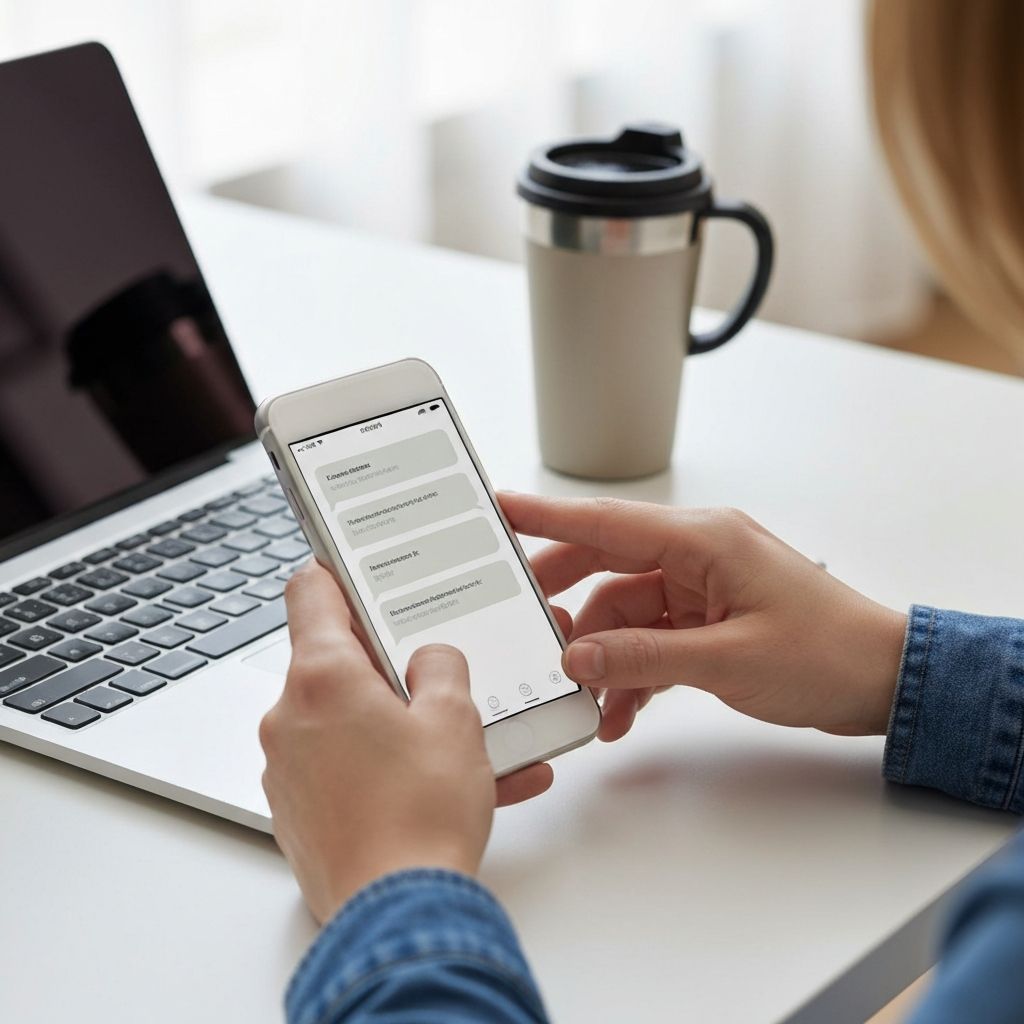
WhatsApp lives in a part of the phone reserved for family, friends, and close colleagues. When a brand appears there, it is entering personal space. Tone matters enormously. Messages that feel like push notifications or email blasts trigger immediate resentment. Messages that feel like a real human writing one-to-one earn trust and engagement. The best WhatsApp marketing reads like a thoughtful customer service rep, not a megaphone. Use natural language, avoid unnecessary capital letters and excessive emojis, and write the way you would speak to a customer in a store. The shift in tone alone can dramatically improve response rates compared with copy ported directly from email.
Get Permission and Segment Carefully
WhatsApp marketing only works with explicit opt-in. Sending unsolicited messages risks blocks, complaints, and account bans under the platform's strict policies. Build your subscriber list intentionally through website forms, checkout pages, customer service interactions, and QR codes in physical locations. Make the value clear: order updates, exclusive offers, customer support, or VIP access. Once people opt in, segment them by behavior, purchase history, or interests. A loyal repeat customer should receive different messages than a recent first-time buyer. A subscriber who clicked on a recent campaign deserves follow-up tailored to their interest. Segmentation transforms WhatsApp from a broadcast channel into a relationship channel, which is where its real power lives.
Write Messages That Sound Like a Person
Strong WhatsApp messages share several traits. They are short, often three to five sentences. They use the customer's first name when available. They open with context rather than a sales pitch, often referencing something the customer already cares about. They include a clear, specific call to action, such as a question, a link, or a single button tap. They feel time-sensitive without being pushy. Avoid long blocks of text, formal greetings, and corporate jargon. If a message would feel awkward when read aloud by a friend, rewrite it. Use line breaks to create breathing room and make the message easy to scan on small screens. Whenever possible, end with a question, since questions invite replies in a way statements rarely do.
Use Rich Media and Interactive Buttons
WhatsApp Business supports more than plain text. Use it. Images, videos, voice notes, PDFs, and interactive buttons can dramatically improve engagement when used thoughtfully. A short product photo often communicates more than a paragraph. A 30-second video can showcase a tutorial or testimonial that text cannot match. Quick reply buttons let customers respond with one tap, lowering the friction of engagement. Catalog and product messages allow direct browsing inside the chat. The key is restraint. Send rich media only when it adds clear value, not because the feature exists. A well-timed image with a single thoughtful sentence almost always outperforms a paragraph of text and a generic stock photo.
Measure What Matters and Iterate
WhatsApp campaigns generate metrics worth watching closely. Track delivered, read, replied, and clicked rates. Pay particular attention to opt-out and block rates, since these are early warning signs that your tone, frequency, or targeting is off. Compare campaigns to identify which message styles, send times, and offers drive the strongest engagement. Run A/B tests on subject lines, opening sentences, and call-to-action wording. Use response rate, not just open rate, as the primary success metric, since the whole point of conversational marketing is conversation. Regularly survey subscribers about message frequency and content preferences, and act on the feedback. WhatsApp rewards brands that listen as actively as they speak.
Frequently Asked Questions
How often should I send WhatsApp marketing messages?
Less than you think. For most brands, two to four messages per month is plenty. Frequency depends on customer expectations, but high frequency is the fastest way to trigger blocks and complaints, which are very hard to recover from.
Do I need WhatsApp Business API for marketing?
Yes, for most brands at scale. The standard WhatsApp Business app supports small operations, but the API is required for automation, integrations with CRMs, and high-volume sending. The API also unlocks advanced templating and analytics.
What types of messages get the highest response rates?
Short, personalized, conversational messages with a clear question or one-tap action consistently outperform long broadcasts. Order updates, abandoned cart reminders, and exclusive offers tied to past behavior tend to perform especially well.
Can I use templates for WhatsApp marketing messages?
Yes, and you must for outbound business-initiated messages. WhatsApp requires pre-approved templates for these. Within templates, however, you can personalize variables like name, order details, and offer specifics to keep messages feeling individual.
How do I avoid getting my number blocked?
Always get explicit opt-in, segment your audience, write messages that feel personal, respect frequency limits, and make opt-out easy. Track block rates closely and adjust your approach immediately if they rise above industry benchmarks.
Conclusion
WhatsApp marketing is not just another channel to spam with promotions. It is a relationship channel where a single thoughtful message can outperform an entire email campaign. The brands that win are the ones that respect the medium, write like real people, and prioritize conversation over broadcast. Start with explicit opt-in, segment carefully, and craft messages that earn replies rather than ignore notifications. Measure response rates, iterate constantly, and treat every conversation as a chance to deepen the relationship. Done well, WhatsApp marketing creates the kind of customer loyalty that no other channel can match.