How Social Media Is Transforming the Hospitality Industry
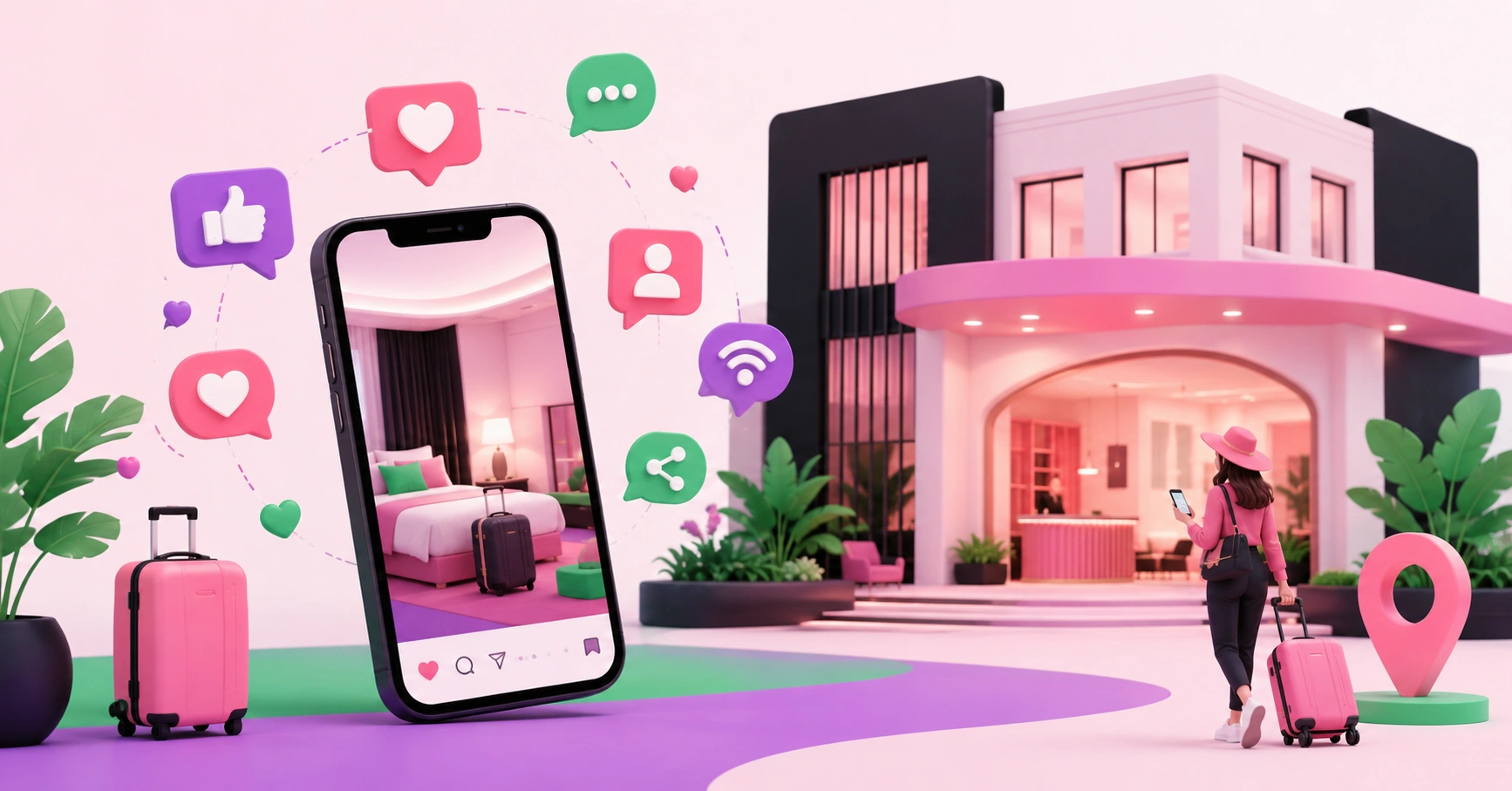
Social media has become the primary discovery, decision, and service channel for the hospitality industry — the sector spanning hotels, restaurants, resorts, cafes, and travel experiences. In hospitality, social media is the ecosystem of platforms like Instagram, TikTok, and Google where guests find venues, judge them through photos and reviews, book stays, and share their experiences afterward. What was once driven by travel agents and printed guides is now shaped by a scroll: a single well-shot reel of a rooftop pool or a plated dish can fill tables and rooms faster than a full-page magazine ad ever could. Understanding this shift is now essential to survival, not just growth.
Quick Answer: Social media is transforming hospitality by turning platforms like Instagram and TikTok into the main way guests discover, evaluate, and book venues. Visual content, reviews, influencer partnerships, and real-time messaging now drive reservations, shape reputations, and create direct guest relationships that bypass traditional advertising.
How WebPeak Helps Hospitality Brands Win on Social Media
WebPeak helps hotels, restaurants, and travel brands convert social attention into bookings through visual content strategy, reputation management, and paid campaigns tuned to local intent. Their team produces scroll-stopping reels, manages guest reviews, and runs geo-targeted ads that reach travelers at the moment they are planning. Hospitality operators who want a consistent presence without hiring a full in-house team often use their digital marketing services to keep content, ads, and guest engagement working together. That integration matters because fragmented efforts — great photos but ignored reviews — leave money on the table.
Why Has Social Media Become Central to Hospitality?
Social media is central to hospitality because the buying decision is emotional and visual, and these platforms deliver exactly that. A prospective guest wants to feel the atmosphere before committing, and a photo or short video does that instantly. User-generated content — posts from real guests — carries even more weight because it functions as social proof, meaning people trust the experiences of peers over brand advertising. This shift has flattened the playing field: an independent boutique hotel with a striking aesthetic can now out-market a chain simply by being more visually compelling and more responsive online. Attention, not ad budget, has become the deciding advantage.
How Can Hospitality Businesses Use Social Media Effectively?
Effective hospitality social media blends inspiration, proof, and service into one consistent presence. Operators who treat it as an occasional photo dump miss its real power. Use these tactics to build a system that fills rooms and tables:
- Lead with visuals: Post high-quality photos and short videos of food, rooms, views, and experiences.
- Encourage guest content: Create photogenic moments and branded hashtags so guests post for you.
- Manage reviews actively: Respond to every review, positive or negative, quickly and graciously.
- Partner with local influencers: Invite creators whose audience matches your ideal guest.
- Enable direct booking: Add reservation links and messaging so discovery converts instantly.
- Respond in real time: Answer questions and complaints fast, since guests expect live service.
Which Social Media Channels Matter Most in Hospitality?
Different platforms serve different stages of the guest journey, from first inspiration to final review. Spreading effort evenly wastes resources; matching each channel to its strength does not. The table below shows how leading platforms function within hospitality so operators can prioritize deliberately.
| Platform | Primary Role in Hospitality | Best Content Type |
|---|---|---|
| Visual discovery and aesthetic branding | Photos, reels, stories | |
| TikTok | Viral reach and younger travelers | Short, authentic video |
| Google / Maps | Reviews and local booking intent | Photos, ratings, replies |
| Events, community, and older demographics | Updates, promotions, groups |
What Does the Data Say About Social Media in Hospitality?
The data confirms that social media now sits at the heart of travel decisions. According to research summarized by Expedia Group, a majority of travelers — often cited around 60% — draw trip inspiration from social media, with platforms like TikTok increasingly influencing where younger guests choose to eat and stay. Separately, TripAdvisor and industry review studies consistently show that a large share of travelers — frequently cited near 80% — read multiple reviews before booking, and that responding to reviews measurably improves booking rates. The original insight operators should act on is this: the “experience economy” means the guest’s post-visit content is now part of your marketing funnel, not the end of it. Designing a genuinely shareable moment — a signature dish, a photogenic corner, a surprising touch — is effectively buying advertising you never pay for, because every guest becomes a distributor of your brand.
Key Takeaways
- Around 60% of travelers get trip inspiration from social media, making it the top discovery channel.
- Roughly 80% of travelers read reviews before booking, and responding to them lifts conversions.
- User-generated content acts as trusted social proof that outperforms traditional advertising.
- Visual-first platforms like Instagram and TikTok let independent venues out-market larger chains.
- Designing shareable in-person moments turns guests into free, high-trust brand distributors.
Frequently Asked Questions
Why is social media important for hotels and restaurants?
Social media is important because guests now discover, evaluate, and book hospitality venues through visual content and reviews. A compelling presence builds trust, drives direct bookings, and turns guests into promoters. Without it, venues become nearly invisible to travelers who research entirely online before deciding.
Which social media platform is best for hospitality?
Instagram is best for aesthetic discovery, TikTok for viral reach among younger travelers, and Google for reviews and booking intent. Most successful hospitality brands use a combination: Instagram and TikTok for inspiration, and Google plus review platforms to convert interested travelers into confirmed reservations.
How do reviews affect hospitality bookings?
Reviews heavily influence bookings because most travelers read several before deciding. Positive reviews build confidence, while unanswered negative ones deter guests. Responding promptly and graciously to every review signals attentiveness, improves your rating over time, and measurably increases the likelihood that browsers become paying guests.
Should hospitality brands work with influencers?
Yes, especially local or niche influencers whose audience matches the venue’s ideal guest. Authentic creator content reaches engaged travelers and provides social proof more affordably than large advertising. Prioritize genuine fit and engagement over follower count, since a relevant micro-influencer often drives more real bookings.
How can a small hotel compete with big chains on social media?
Small hotels compete by being more visually distinctive and responsive than chains. A strong aesthetic, authentic storytelling, active review management, and fast guest replies create an intimate brand that large chains struggle to match. On social media, attention and personality matter more than advertising budget.
Conclusion
The most important shift for any hospitality operator to accept is that social media is no longer marketing you do on the side — it is the front desk, the brochure, and the word-of-mouth network combined. The venues that thrive will design experiences worth sharing, respond to guests in real time, and treat every review as a conversation. Start by auditing how your venue actually looks and sounds across Instagram, TikTok, and Google today, then fix the weakest link first. Operators who master this channel build reputations that fill rooms long after any single campaign ends.