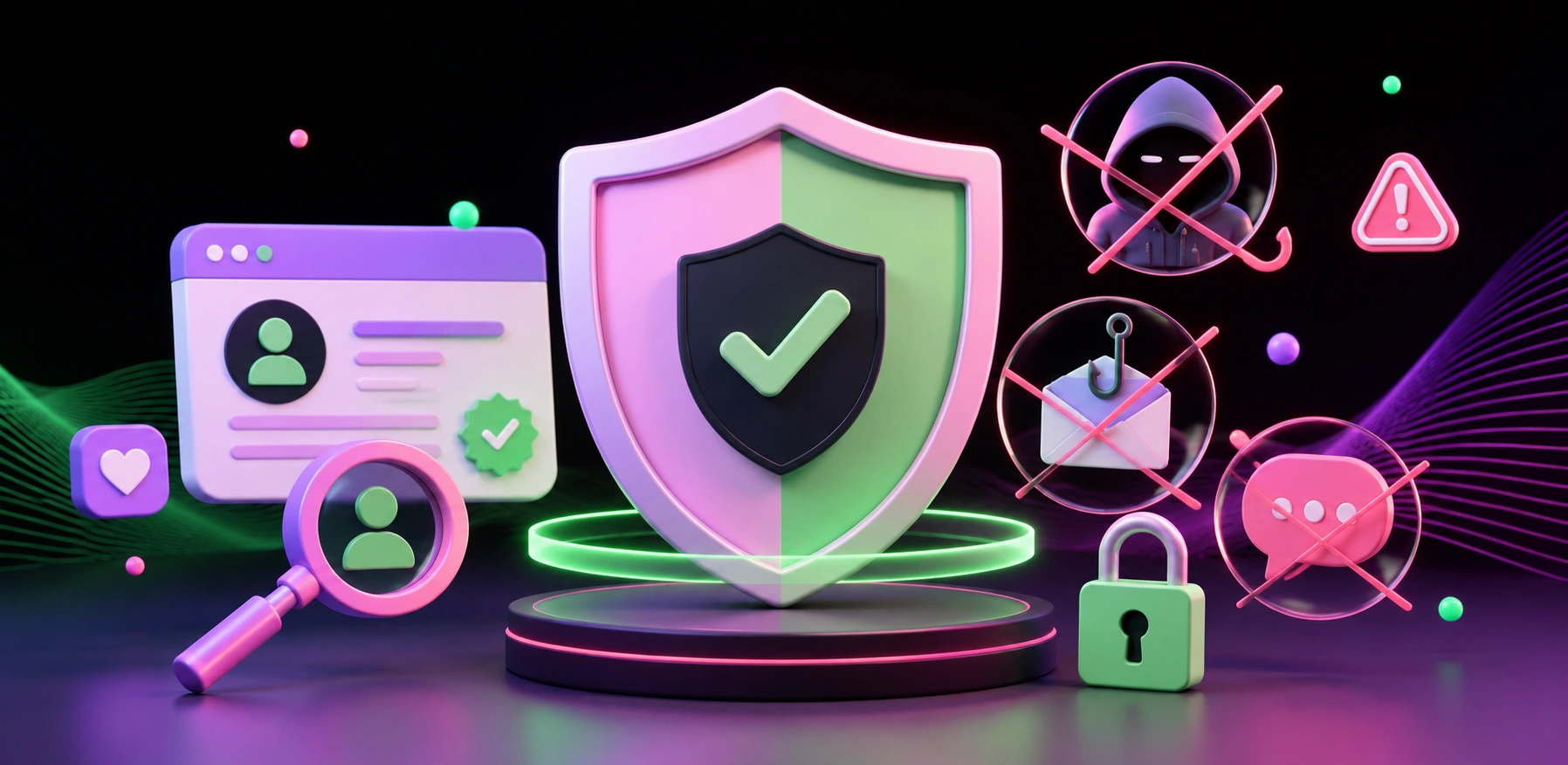
How Does BrandShield Protect Against Social Media Scams? A Complete Guide
Social media scams are no longer occasional nuisances — they are an organized, revenue-driven threat. Scammers impersonate brands, launch fake giveaways, sell counterfeit goods, and phish customer credentials at scale. BrandShield is an AI-powered digital risk protection platform that detects, analyzes, and dismantles these threats across social networks, marketplaces, and the wider web. In practical terms, it continuously scans public platforms for brand abuse, scores each threat by severity, and automates enforcement actions such as takedown requests. This guide explains exactly how that protection works and why it matters for any organization with an online presence.
Quick Answer: BrandShield protects against social media scams by using AI to continuously scan platforms for fake accounts, phishing links, and impersonation. It scores each threat, gathers evidence, and automates takedown requests to remove fraudulent content quickly, reducing the window scammers have to harm your customers and brand reputation.
How WebPeak Strengthens Your Social Media Scam Defense
While BrandShield handles automated threat detection, a strong brand foundation makes scams easier to spot and harder to imitate. WebPeak helps businesses build that foundation through consistent branding, secure web infrastructure, and coordinated social presence. Their social media management services establish verified, active official channels so customers can quickly distinguish real accounts from fakes, while their cybersecurity services harden the domains and landing pages scammers most often clone. Together, these reduce the surface area impersonators can exploit.
What Types of Social Media Scams Does BrandShield Detect?
A social media scam is any deceptive activity that uses a platform to defraud users, typically by impersonating a trusted brand. BrandShield's detection engine is trained to recognize several distinct categories, each with its own fingerprint. Understanding these types helps you appreciate the breadth of coverage.
The platform identifies impersonation accounts that copy logos and handles, phishing campaigns that push malicious links through comments or ads, fake customer support profiles that intercept complaints, counterfeit product listings, and fraudulent giveaways designed to harvest personal data. Each detection is enriched with context — follower counts, post frequency, and linked domains — so analysts and automated systems can prioritize the most damaging cases first.
How Does the BrandShield Detection Process Work Step by Step?
BrandShield follows a structured lifecycle from discovery to removal. This process is what separates a scalable protection platform from manual monitoring, which cannot keep pace with automated fraud.
- Continuous scanning: AI crawlers monitor social platforms, marketplaces, and websites around the clock for brand mentions, logos, and keywords.
- Threat detection: Machine learning models flag content that matches known scam patterns, including visual logo recognition and text analysis.
- Prioritization and scoring: Each threat receives a risk score based on reach, intent, and potential financial harm.
- Evidence collection: The system captures screenshots, URLs, and metadata to build a defensible takedown case.
- Automated enforcement: Takedown requests are submitted directly to platforms, often through established trusted-reporter relationships.
- Monitoring and reporting: Removed threats are tracked to confirm takedown and detect re-emergence.
What Are the Core Features That Make BrandShield Effective?
BrandShield's effectiveness comes from combining automation with enforcement authority. The table below compares its core capabilities against manual monitoring, illustrating why automated digital risk protection has become standard practice for brands operating at scale.
| Capability | BrandShield Approach | Business Benefit |
|---|---|---|
| Threat detection | AI-driven, 24/7 scanning across platforms | Finds scams humans miss and reacts faster |
| Evidence handling | Automated capture of screenshots and metadata | Stronger, faster takedown submissions |
| Takedown enforcement | Trusted-flagger relationships with platforms | Higher removal success rates |
| Threat scoring | Risk-based prioritization | Resources focus on highest-impact threats |
| Reporting | Centralized dashboards and analytics | Clear ROI and audit trail for stakeholders |
Why Is Automated Scam Protection Worth the Investment?
The financial case for automated protection is compelling. According to the U.S. Federal Trade Commission, consumers reported losing more than $1.4 billion to social media scams in a single recent year, making social platforms one of the most profitable channels for fraudsters. Separately, industry research from the Anti-Phishing Working Group has repeatedly recorded record-high phishing volumes, with hundreds of thousands of unique phishing sites detected each quarter. These numbers show that scam activity is not slowing — it is accelerating.
The original insight many brands miss is that the real cost is rarely the direct fraud loss. It is the erosion of customer trust. When a customer is scammed by an account pretending to be you, they often blame your brand, not the scammer. Automated protection compresses the takedown window from days to hours, and that speed is the single biggest factor in preserving trust. A scam that lives for two hours does far less reputational damage than one that circulates for two weeks.
Key Takeaways
- BrandShield uses AI to continuously scan social media for impersonation, phishing, and counterfeit scams, then automates takedowns.
- Consumers reported over $1.4 billion in social media scam losses in a single recent year, per the FTC.
- Speed of removal is the most important factor — shorter scam lifespans mean less reputational damage.
- Verified, active official accounts make impersonation easier for customers to detect.
- Combining automated detection with strong branding and secure infrastructure delivers the best protection.
Frequently Asked Questions
What is BrandShield and how does it work?
BrandShield is an AI-powered digital risk protection platform. It continuously scans social media, marketplaces, and websites for brand abuse, scores each threat by severity, collects evidence, and submits automated takedown requests to remove fake accounts, phishing links, and counterfeit listings quickly.
Can BrandShield remove fake social media accounts?
Yes. BrandShield detects impersonation accounts, gathers supporting evidence like screenshots and metadata, and submits takedown requests directly to platforms. Because it often operates through trusted-reporter relationships, its removal success rate is typically higher and faster than manual reporting by individual users.
How quickly can BrandShield take down a scam?
Takedown speed varies by platform, but automated evidence collection and trusted-flagger status often reduce removal times from days to hours. Faster removal shrinks the window scammers have to reach customers, which directly limits both financial losses and reputational harm to your brand.
Is social media scam protection necessary for small businesses?
Yes. Scammers target brands of all sizes because smaller businesses often lack monitoring resources. A single impersonation account can damage a small brand's reputation disproportionately. Scalable protection, combined with verified official accounts, helps level the playing field against organized fraud.
Does BrandShield replace the need for good branding?
No. BrandShield handles detection and enforcement, but strong, consistent branding and verified accounts make impersonation easier to spot and harder to execute. The most effective strategy combines automated threat protection with a clear, trustworthy official brand presence across every channel.
Conclusion
The single most important decision for any brand on social media is to treat scam protection as continuous, not reactive. BrandShield delivers that continuity by pairing AI detection with real enforcement power, dramatically shortening the lifespan of any scam that targets your customers. The clear next step is to audit your current exposure — identify your official accounts, monitor for impersonators, and secure the domains scammers are most likely to clone. Protecting your customers from fraud is ultimately protecting the trust your brand has spent years earning.