How Can Social Media Affect Job Opportunities?
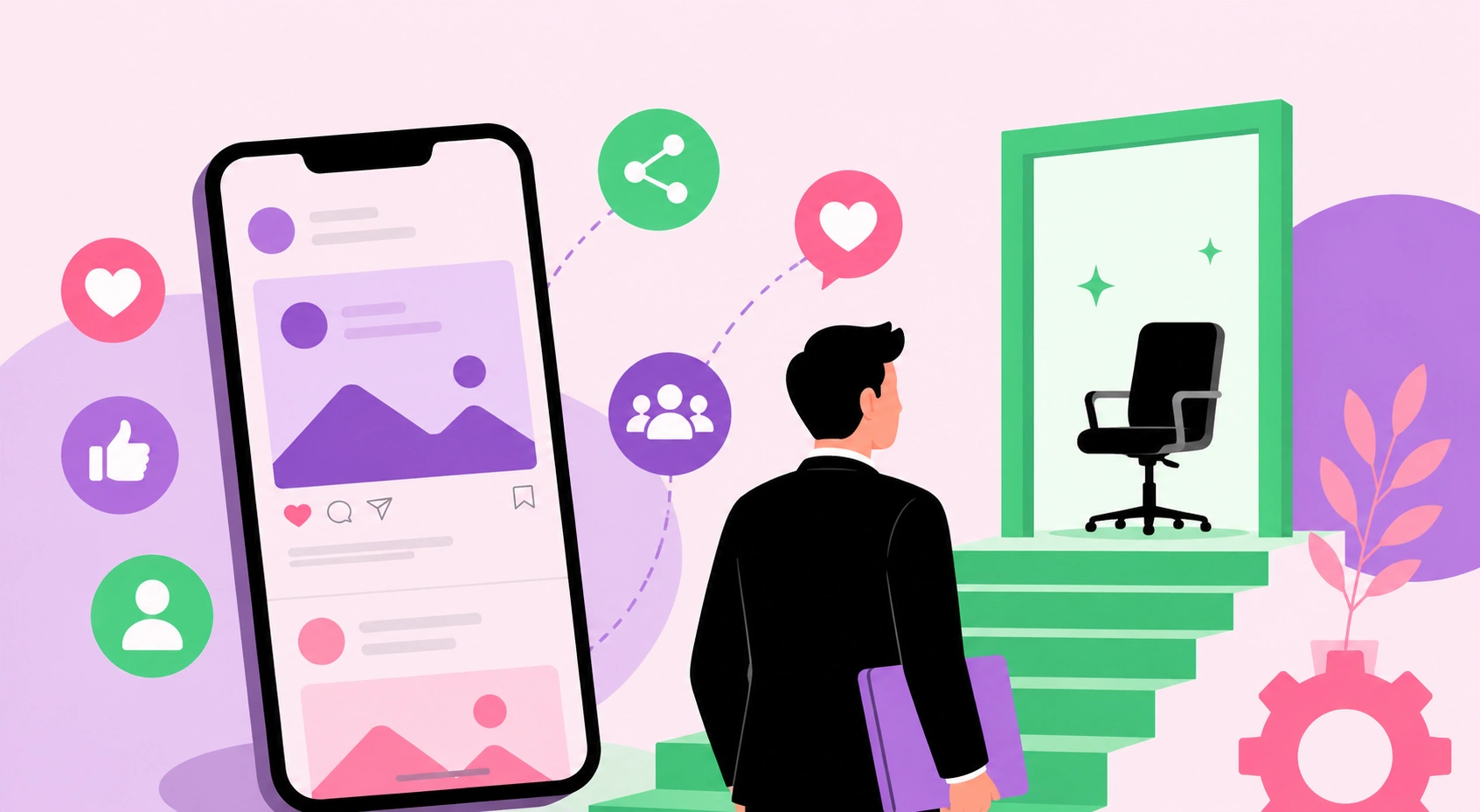
Social media affects job opportunities by shaping how recruiters, hiring managers, and professional networks perceive your credibility, skills, and character before and after an interview. A digital footprint, meaning the trail of content and activity you leave online, is now a routine part of hiring decisions. The impact runs both ways: a strong, professional presence can open doors, demonstrate expertise, and attract recruiters, while careless or inappropriate posts can cost you offers and even get you removed from consideration. This article breaks down exactly how social media influences your career and how to make it work for you.
Quick Answer: Social media affects job opportunities by giving employers a view of your professionalism, expertise, and judgment. Positive, consistent content and an optimized LinkedIn profile attract recruiters, while inappropriate posts, controversial opinions, or an inconsistent presence can cost you interviews and offers.
How WebPeak Helps You Build a Career-Boosting Online Presence
Your personal brand deserves the same care a company gives its corporate image. WebPeak is a worldwide digital agency that helps professionals and businesses craft polished, credible online identities. Their content writing services can sharpen your bio, posts, and thought-leadership articles so your profiles signal expertise and trustworthiness, turning your social media from a liability into a genuine career asset that recruiters notice for the right reasons.
How Do Employers Actually Use Social Media in Hiring?
Employers use social media as both a screening and sourcing tool. Screening means checking your public profiles to verify claims and spot red flags after you apply. Sourcing means actively searching platforms like LinkedIn to find candidates before a job is even posted. Recruiters look for consistency between your resume and your online presence, evidence of relevant skills, professional communication, and the absence of discriminatory, illegal, or wildly unprofessional content. A polished presence signals reliability; gaps, contradictions, or offensive posts signal risk. Increasingly, hiring teams also value candidates who demonstrate expertise publicly through articles, comments, and shared industry content.
What Social Media Habits Help or Hurt Your Job Search?
Specific behaviors consistently move the needle in either direction. Knowing them lets you audit your own profiles today.
- Helps: A complete, keyword-rich LinkedIn profile with a professional photo and clear headline.
- Helps: Sharing or commenting thoughtfully on industry topics to show expertise.
- Helps: Consistent name, photo, and tone across platforms for a cohesive brand.
- Hurts: Public posts with offensive jokes, slurs, or discriminatory remarks.
- Hurts: Badmouthing former employers or colleagues publicly.
- Hurts: Photos or posts showing illegal activity or extreme unprofessionalism.
Which Platforms Matter Most for Job Opportunities?
Not every platform carries the same weight in hiring, and treating them all the same is a common mistake. Professional networks demand polish, while personal platforms still require basic caution because privacy settings are not foolproof. The table below shows how recruiters typically view major platforms and what to prioritize on each.
| Platform | Recruiter Use | What to Prioritize |
|---|---|---|
| Primary sourcing and verification | Complete profile, skills, recommendations, activity | |
| X (Twitter) | Assessing expertise and communication | Professional opinions, industry engagement |
| Character and lifestyle check | Tasteful content, tightened privacy settings | |
| Background and red-flag screening | Private settings, no offensive public posts | |
| TikTok / YouTube | Creativity and personality signals | Brand-safe content if public |
What Does the Data Reveal About Social Media and Hiring?
The numbers confirm that your profiles are under more scrutiny than ever. According to a CareerBuilder survey, about 70% of employers use social media to screen candidates during hiring, and roughly 57% have found content that led them to reject a candidate. Meanwhile, LinkedIn reports that it has over 1 billion members and that profiles with professional photos receive significantly more views and connection requests than those without. In my experience reviewing how professionals present themselves, the overlooked insight is that absence is also a signal: having no professional online presence at all can make you appear less current or engaged in fields where digital fluency is expected. The strategic move is not to hide but to curate deliberately, making your visible footprint reinforce the story your resume tells.
How Can You Audit and Clean Up Your Online Presence?
A deliberate audit is the fastest way to turn social media from a hidden risk into a career asset, and you can complete a basic one in an afternoon. Start by searching your own name in an incognito browser to see exactly what employers see, including images and old accounts you may have forgotten. Next, review each platform methodically: tighten privacy settings on personal accounts, untag or remove unprofessional photos, and delete or hide posts containing offensive jokes, political extremes, or complaints about past employers. Then strengthen your professional profiles by adding a clear headshot, a benefit-driven headline, relevant skills, and recent accomplishments. The goal is not to erase your personality but to ensure the public version of you reflects the professional you want to be. Repeat this audit quarterly, because your digital footprint grows continuously and an old, forgotten post can resurface at the worst possible moment during a hiring process.
How Do You Build a Profile That Attracts Recruiters?
Attracting recruiters is an active strategy, not a passive hope, and it centers on signaling expertise and being discoverable. Recruiters search platforms using keywords tied to skills, job titles, and industries, so your profile must include the exact terms they search for in your headline, summary, and experience sections. Beyond keywords, demonstrate competence publicly: share insights about your field, comment thoughtfully on industry discussions, and post about projects or lessons learned. This visible activity does three things at once, it improves your discoverability in searches, provides social proof of your expertise, and shows you are engaged in your profession. In my experience, candidates who post even once a week about their work field noticeably more inbound recruiter interest than equally qualified peers who stay silent. The most effective professional profiles combine a keyword-optimized foundation with a steady stream of credible, expertise-driven activity, turning a static resume into a living advertisement that works for you around the clock.
Key Takeaways
- Around 70% of employers screen candidates on social media, and many reject applicants over what they find.
- A complete LinkedIn profile with a professional photo gets far more recruiter views and connections.
- Consistency between your resume and online presence builds trust; contradictions raise red flags.
- Offensive posts, badmouthing employers, and illegal content are the most common deal-breakers.
- Having no professional presence can hurt you in digital-first fields, so curate rather than disappear.
Frequently Asked Questions
Can employers legally check my social media?
Yes, employers can legally view your public social media profiles. However, they cannot make hiring decisions based on protected characteristics like race, religion, or age, and many request consent before deeper background checks. Keeping personal content private limits what they can lawfully consider.
Should I delete my social media before applying for jobs?
You usually don't need to delete accounts. Instead, audit them: tighten privacy settings, remove offensive content, and strengthen your professional profiles. A thoughtfully curated presence often helps more than a blank one, especially in fields that value communication and digital skills.
How can my social media help me get hired?
Share industry insights, showcase projects, earn recommendations, and maintain a complete LinkedIn profile with relevant keywords. This signals expertise and engagement, attracts recruiters who actively source candidates online, and gives hiring managers positive evidence that supports your application before the interview even happens.
What is the biggest social media mistake job seekers make?
The most damaging mistake is leaving offensive, controversial, or unprofessional content publicly visible while assuming no one will check. Recruiters routinely screen profiles, so a single inappropriate post can quietly remove you from consideration without you ever knowing the real reason.
Does having no social media presence hurt my job chances?
It can, particularly in marketing, tech, and creative roles where digital fluency is expected. A missing presence may make you seem disengaged or outdated. Maintaining at least a professional LinkedIn profile demonstrates relevance and gives recruiters a way to find and verify you.
Conclusion
The single most important decision is to treat your social media as a deliberate extension of your professional reputation rather than a private afterthought. Recruiters are looking, so the smart move is to control the narrative: audit your profiles, remove red flags, and build visible proof of your expertise. Start today by polishing your LinkedIn headline and reviewing your public posts through an employer's eyes. A curated, credible online presence does not just protect your job prospects, it actively creates new ones. In a hiring landscape where recruiters research candidates before the first conversation, the professionals who win are those who recognize that their digital footprint is now part of their resume, and who invest the modest effort required to make it work in their favor rather than leaving it to chance. Take deliberate ownership of your online narrative today, and it quickly becomes one of the most powerful, durable, and entirely cost-free career assets you will ever build for yourself.