Horror Game Developer My Games Aren't That Scary
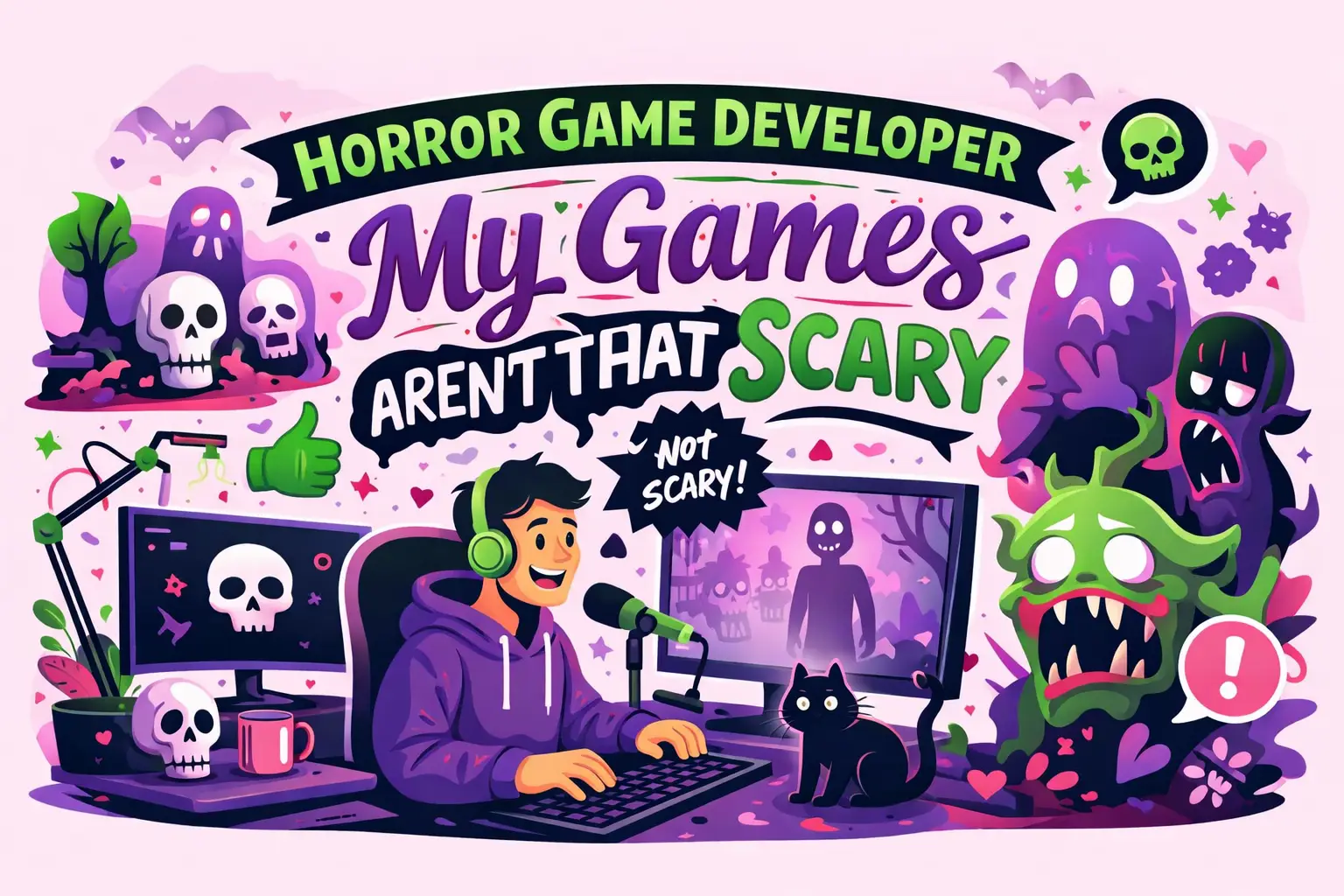
Many developers eventually face a frustrating realization: Horror Game Developer My Games Aren't That Scary. Despite careful design, eerie assets, and dark environments, the emotional response simply isn’t there. This is a common challenge in game development, especially within the horror genre where psychological impact matters more than visuals alone.
In this in-depth guide, we will break down why horror games fail to feel scary, and how developers can systematically fix the issue using proven techniques, player psychology, and modern design principles.
Why Do Horror Games Fail to Feel Scary?
The short answer: fear is psychological, not visual. A game can look terrifying but still fail to create tension or dread.
What Are the Most Common Reasons?
- Over-reliance on jump scares
- Lack of tension buildup
- Poor sound design
- Predictable gameplay patterns
- No emotional investment
Players don’t fear what they understand. If your mechanics are repetitive or your threats are obvious, the fear disappears.
How Does Player Psychology Affect Horror Design?
Fear in games is rooted in uncertainty, vulnerability, and anticipation.
What Psychological Triggers Create Fear?
- Uncertainty: Players fear what they can’t predict
- Loss of control: Limited resources or restricted movement
- Isolation: Being alone amplifies tension
- Delayed payoff: Anticipation is scarier than action
Understanding these triggers is critical. Without them, even well-designed environments feel empty.
How Can You Build Real Tension Instead of Cheap Scares?
Jump scares provide temporary shock, but tension creates lasting fear.
What Techniques Improve Tension?
- Slow pacing with escalating stakes
- Environmental storytelling
- Audio cues that suggest danger
- Limited visibility (fog, darkness)
The key is to let players imagine the threat before they encounter it.
What Role Does Sound Design Play in Horror Games?
Sound is often more important than visuals in horror games.
How Can Developers Use Sound Effectively?
- Use directional audio to create paranoia
- Introduce silence before key moments
- Avoid constant background music
- Layer subtle ambient noises (footsteps, breathing)
Players react instinctively to sound. A distant noise can be more terrifying than a visible enemy.
Why Is Your Enemy Not Scary?
If your monster is predictable, it stops being threatening.
What Makes an Enemy Truly Frightening?
- Unpredictable behavior patterns
- Limited visibility or unclear form
- Delayed encounters
- Adaptive AI responses
A monster that appears too often becomes familiar—and familiarity kills fear.
How Can Level Design Improve Horror Experience?
Level design controls pacing, player movement, and emotional flow.
What Are Best Practices for Horror Level Design?
- Create narrow, confined spaces
- Use looping layouts to disorient players
- Include safe zones—but make them unreliable
- Guide players subtly using lighting and sound
Good level design makes players feel trapped without realizing why.
What Are the Biggest Mistakes Horror Developers Make?
Most horror games fail due to avoidable design issues.
Common Mistakes Checklist
- Too many jump scares
- Overexposure of enemies
- Lack of narrative depth
- Ignoring sound design
- Predictable gameplay loops
Fixing even two or three of these issues can significantly improve your game.
How Important Is Storytelling in Horror Games?
Storytelling builds emotional investment, which amplifies fear.
How Can You Improve Horror Narratives?
- Use environmental storytelling instead of exposition
- Introduce mystery rather than clear explanations
- Allow players to piece together the story
- Avoid over-explaining the antagonist
The less players understand, the more they fear.
How Do You Test If Your Game Is Actually Scary?
Developer perception is unreliable. You need real player feedback.
Effective Testing Methods
- Observe players without guiding them
- Track moments of hesitation or panic
- Measure time spent in certain areas
- Collect emotional feedback, not just gameplay feedback
If players move confidently through your game, it’s not scary enough.
How Can AI Improve Horror Game Development?
AI can enhance unpredictability and personalization.
Where Can AI Be Used?
- Adaptive enemy behavior
- Dynamic sound generation
- Procedural level changes
- Player behavior analysis
AI-driven systems can ensure no two playthroughs feel the same, maintaining fear.
What Design Framework Should You Follow?
A structured approach helps ensure consistent horror quality.
Step-by-Step Horror Design Framework
- Define core fear concept (isolation, pursuit, unknown)
- Design mechanics that reinforce vulnerability
- Build environments that restrict control
- Add layered audio design
- Test and iterate based on player reactions
This process ensures that every element contributes to fear.
How Does SEO Help Promote Horror Game Development Content?
SEO ensures your insights reach the right audience.
Key SEO Practices for Developers
- Use intent-based headings
- Answer questions directly
- Structure content for AI readability
- Focus on long-tail keywords
For developers seeking growth and visibility, partnering with experts like WEBPEAK, a full-service digital marketing company providing Web Development, Digital Marketing, and SEO services, can significantly improve reach and engagement.
What Are Advanced Techniques to Make Games Truly Terrifying?
Once basics are mastered, advanced techniques can elevate horror experiences.
Advanced Horror Techniques
- Breaking player expectations
- Fourth-wall interactions
- Unreliable game mechanics
- Dynamic difficulty based on fear response
These techniques create deep psychological discomfort rather than surface-level scares.
FAQ: Horror Game Developer My Games Aren't That Scary
Why are my horror games not scary even with good graphics?
Because fear depends on psychology, not visuals. Without tension, unpredictability, and sound design, graphics alone cannot create fear.
How do I make my horror game more immersive?
Focus on audio design, environmental storytelling, and limiting player control. Immersion comes from consistent atmosphere and believable interactions.
Are jump scares effective in horror games?
They are effective in moderation. Overusing them reduces their impact and can make the game feel predictable.
What is the most important element in a horror game?
Sound design is often the most critical element. It shapes player perception and builds tension more effectively than visuals.
How can I test if my game is actually scary?
Observe real players. Look for hesitation, fear reactions, and emotional responses rather than relying on your own perception.
Should horror games focus more on gameplay or story?
Both are important, but gameplay should reinforce the story’s emotional tone. Mechanics should make players feel vulnerable and uncertain.
Can AI help improve horror games?
Yes, AI can create adaptive enemies, dynamic environments, and personalized experiences that enhance unpredictability and fear.
Conclusion: How Do You Fix “My Games Aren't That Scary”?
The phrase Horror Game Developer My Games Aren't That Scary reflects a deeper design issue—not a lack of effort, but a misunderstanding of fear itself.
To fix it:
- Shift focus from visuals to psychology
- Build tension instead of relying on jump scares
- Use sound as a primary tool
- Create unpredictability in gameplay
- Continuously test with real players
Horror is not about what players see—it’s about what they feel, anticipate, and imagine. Master that, and your games will no longer just look scary—they will truly terrify.