Dada Graphic Design: Rules, Rebellion and Modern Lessons
Discover Dada graphic design: its 1916 origins, key artists, collage and typography techniques, and how to borrow its rebellious energy for modern work.

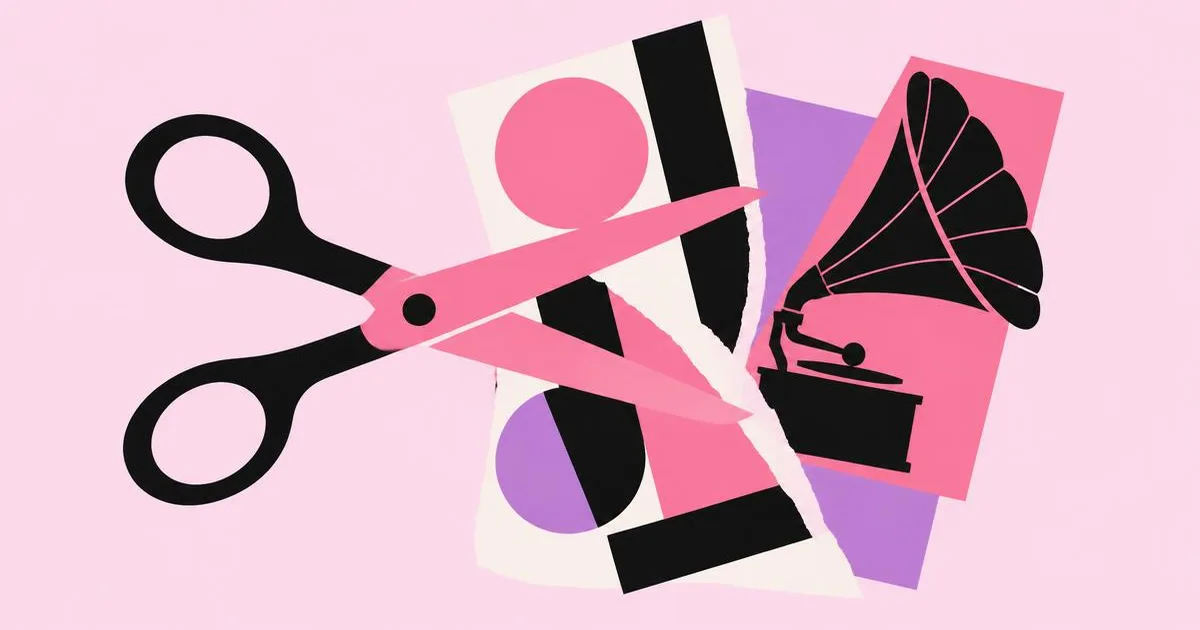
Every time a designer tilts a headline, slices a photo into a collage or mixes six typefaces on purpose, they are borrowing from a group of artists who started out mocking art itself. Dada graphic design is the visual language of the Dada movement, founded in Zurich in 1916, which used chaotic typography, photomontage, collage and chance to reject logic, nationalism and the polite conventions of art and print.
Quick Answer: Dada graphic design emerged from the anti-war Dada movement in 1916 Zurich and spread to Berlin, Paris, Hannover and New York. It is defined by mixed typefaces, irregular layouts, photomontage, collage and chance. Its lessons still shape posters, punk zines, editorial design and brand campaigns that want to provoke attention.
What Is Dada Graphic Design?
Dada graphic design is the printed and visual output of Dada artists: magazines, posters, manifestos, invitations, book designs and photomontages that deliberately broke typographic and compositional rules. It was less a style than a strategy of disruption.
The movement began at the Cabaret Voltaire in Zurich, founded by Hugo Ball and Emmy Hennings in 1916, with figures such as Tristan Tzara, Hans Arp, Marcel Janco and Richard Huelsenbeck. Neutral Switzerland had become a refuge during the First World War, and Dada was a furious response to a culture its members believed had produced industrial slaughter. That anti-establishment intent is the key to reading its graphics. It also makes a sharp contrast with traditions built on discipline and continuity, such as the calligraphic grid explored in this history of graphic design in China.
Dada spread quickly. Berlin Dada, with Raoul Hausmann, Hannah Höch, George Grosz and John Heartfield, became intensely political and pioneered photomontage. In Hannover, Kurt Schwitters developed Merz, his personal branch built from collage of found scraps and tickets. In New York, Marcel Duchamp, Man Ray and Francis Picabia pushed related ideas, with Duchamp's 1917 Fountain becoming one of the most discussed artworks of the century.