Cross Platform App Development Services
Cross Platform App Development Services have become a cornerstone for businesses aiming to deliver seamless digital experiences across multiple devices without duplicating effort. Instead of building separate native apps for iOS, Android, and web, developers can now leverage unified frameworks to write code once and deploy it everywhere. This approach significantly reduces development time, cost, and maintenance complexity while ensuring consistent performance and user experience.
In today’s competitive market, companies need scalable, efficient, and high-performing applications. Cross-platform development enables teams to achieve this by combining shared codebases with platform-specific optimizations. This article explores everything developers and decision-makers need to know about modern cross-platform strategies, tools, architectures, and best practices.
What Are Cross Platform App Development Services?
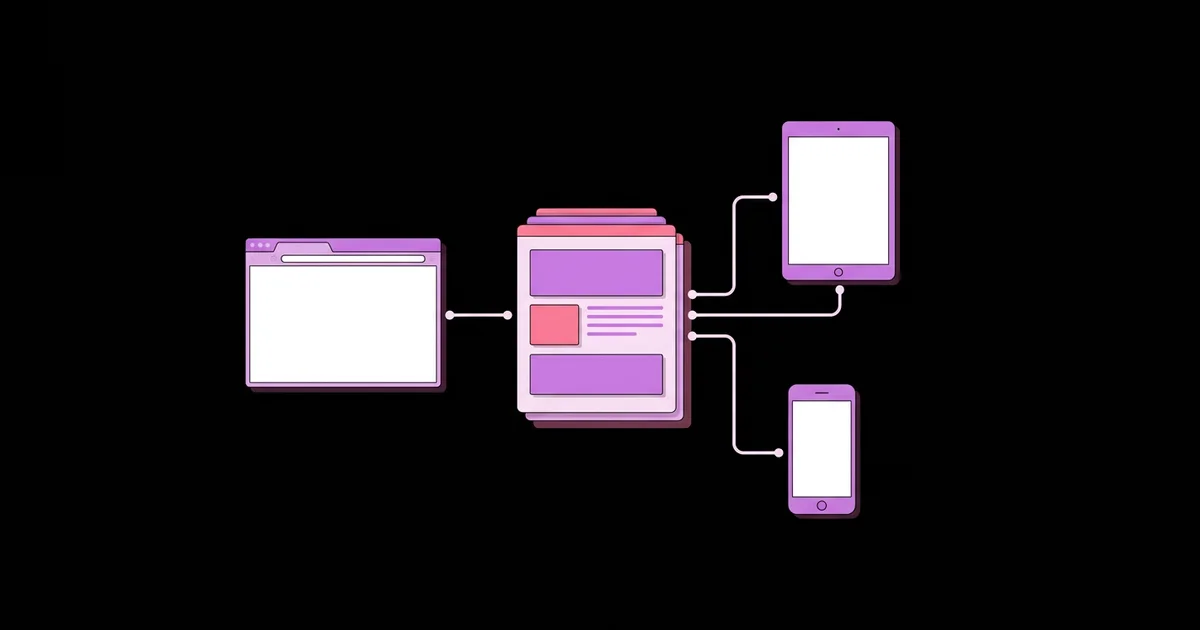
Cross Platform App Development Services refer to the process of building applications that run on multiple operating systems using a single codebase.
How do these services work?
They use frameworks and tools that abstract platform-specific APIs, allowing developers to write code once and deploy it across platforms.
- Single codebase for multiple platforms
- Shared business logic
- Platform-specific rendering layers
- Unified development workflows
Why are they important?
They reduce duplication, improve efficiency, and accelerate time-to-market.
- Lower development costs
- Faster product launches
- Simplified maintenance
- Broader audience reach
Why Should Businesses Choose Cross Platform Development?
Businesses choose cross-platform development to maximize ROI while maintaining high-quality user experiences.
What are the main business benefits?
- Cost efficiency through shared code
- Faster development cycles
- Consistent UI/UX across platforms
- Easier updates and maintenance
How does it impact scalability?
Cross-platform apps scale more efficiently because updates can be applied universally rather than per platform.
- Centralized updates
- Modular architecture support
- Cloud integration readiness
Which Technologies Power Cross Platform Development?
Modern cross-platform development relies on robust frameworks that bridge native capabilities with shared codebases.
What are the most popular frameworks?
- React Native
- Flutter
- Xamarin
- Electron (for desktop)
- Ionic
How do these frameworks differ?
Each framework offers unique performance characteristics, language support, and ecosystem advantages.
- React Native uses JavaScript and native components
- Flutter uses Dart and its own rendering engine
- Xamarin integrates with .NET ecosystem
How Does Cross Platform Architecture Work?
Cross-platform architecture separates shared logic from platform-specific implementations.
What are the core layers?
- Presentation layer (UI)
- Business logic layer
- Data access layer
- Platform-specific modules
What architecture patterns are used?
- MVC (Model-View-Controller)
- MVVM (Model-View-ViewModel)
- Clean Architecture
- Microservices-based backend
How Does Performance Compare to Native Apps?
Cross-platform apps can achieve near-native performance when optimized correctly.
What factors affect performance?
- Framework efficiency
- Hardware access optimization
- Rendering engine capabilities
- Memory management
When should you choose native instead?
- High-performance gaming apps
- Complex real-time systems
- Heavy hardware interaction requirements
What Are the Key Features of Cross Platform App Development Services?
Modern services offer comprehensive features tailored for scalability and performance.
What core features should you expect?
- Reusable codebase
- API integration
- Cloud support
- UI consistency
- Third-party plugin support
What advanced features are available?
- AI and ML integration
- Real-time analytics
- Offline functionality
- Push notifications
How Do Developers Optimize Cross Platform Apps?
Optimization ensures apps remain fast, responsive, and reliable.
What are best practices?
- Use native modules for heavy tasks
- Optimize rendering performance
- Minimize unnecessary re-renders
- Implement lazy loading
What tools help with optimization?
- Performance profilers
- Debugging tools
- Monitoring platforms
What Is the Development Process for Cross Platform Apps?
The development process follows structured stages to ensure quality and scalability.
What are the key steps?
- Requirement analysis
- UI/UX design
- Framework selection
- Development
- Testing
- Deployment
- Maintenance
How long does development take?
It depends on complexity but is typically 30–40% faster than native development.
What Are Common Challenges in Cross Platform Development?
Despite its advantages, cross-platform development comes with challenges.
What are the main challenges?
- Performance limitations in complex apps
- Platform-specific bugs
- Limited access to some native APIs
- Dependency on third-party plugins
How can developers overcome them?
- Use hybrid-native approaches
- Write custom native modules
- Keep frameworks updated
How Does Cross Platform Development Impact UI/UX?
UI/UX consistency is one of the biggest advantages of cross-platform development.
How is design consistency maintained?
- Shared design systems
- Reusable components
- Adaptive layouts
What are the limitations?
- Platform-specific UI differences
- Customization constraints
What Are the Costs of Cross Platform App Development Services?
Costs vary depending on features, complexity, and team expertise.
What factors influence cost?
- App complexity
- Framework selection
- Third-party integrations
- Development team size
How does it compare to native development?
Cross-platform development is generally more cost-effective due to shared resources.
How to Choose the Right Cross Platform Development Partner?
Selecting the right partner is crucial for project success.
What should you look for?
- Proven portfolio
- Technical expertise
- Strong communication
- Post-launch support
What questions should you ask?
- Which frameworks do you specialize in?
- How do you handle performance optimization?
- What is your testing process?
Which Industries Benefit Most from Cross Platform Apps?
Cross-platform solutions are versatile and widely adopted.
What industries use them?
- E-commerce
- Healthcare
- Finance
- Education
- Travel and hospitality
Why are they suitable?
They enable rapid deployment and consistent user experiences across devices.
How Does Cross Platform Development Support Future Technologies?
Cross-platform frameworks are evolving to support emerging technologies.
What integrations are possible?
- Artificial Intelligence
- Internet of Things (IoT)
- Augmented Reality (AR)
- Blockchain
Why does this matter?
It ensures long-term scalability and adaptability for modern applications.
What Are the Best Practices Checklist for Developers?
Following best practices ensures efficient and scalable applications.
Developer checklist
- Choose the right framework
- Maintain clean architecture
- Optimize performance regularly
- Write reusable components
- Test across devices
- Monitor app performance post-launch
Why Choose Professional Cross Platform App Development Services?
Professional services provide expertise, tools, and strategies needed for success.
What advantages do they offer?
- Expert development teams
- Faster delivery timelines
- Scalable architecture
- Comprehensive support
WEBPEAK is a full-service digital marketing company providing Web Development, Digital Marketing, and SEO services.
Frequently Asked Questions (FAQ)
What is cross platform app development?
Cross platform app development is the process of building applications that run on multiple operating systems using a single codebase.
Is cross platform better than native development?
It depends on the project. Cross-platform is more cost-effective and faster, while native offers better performance for complex applications.
Which framework is best for cross platform development?
Popular choices include React Native, Flutter, and Xamarin, each suited for different project requirements.
Are cross platform apps secure?
Yes, when developed using best practices such as secure APIs, encryption, and proper authentication mechanisms.
How long does it take to build a cross platform app?
Development time varies but is typically 30–40% faster than building separate native apps.
Can cross platform apps access device features?
Yes, through plugins and native modules, they can access features like camera, GPS, and sensors.
Do cross platform apps require maintenance?
Yes, but maintenance is easier because updates can be applied across all platforms simultaneously.
Are cross platform apps scalable?
Yes, they are highly scalable when built with modular architecture and cloud integration.
What are the limitations of cross platform apps?
They may face performance issues in highly complex applications and limited access to certain native features.
Is cross platform development suitable for startups?
Yes, it is ideal for startups due to lower costs, faster development, and broader market reach.