Introduction: Beyond the Dollar Store of Digital Products
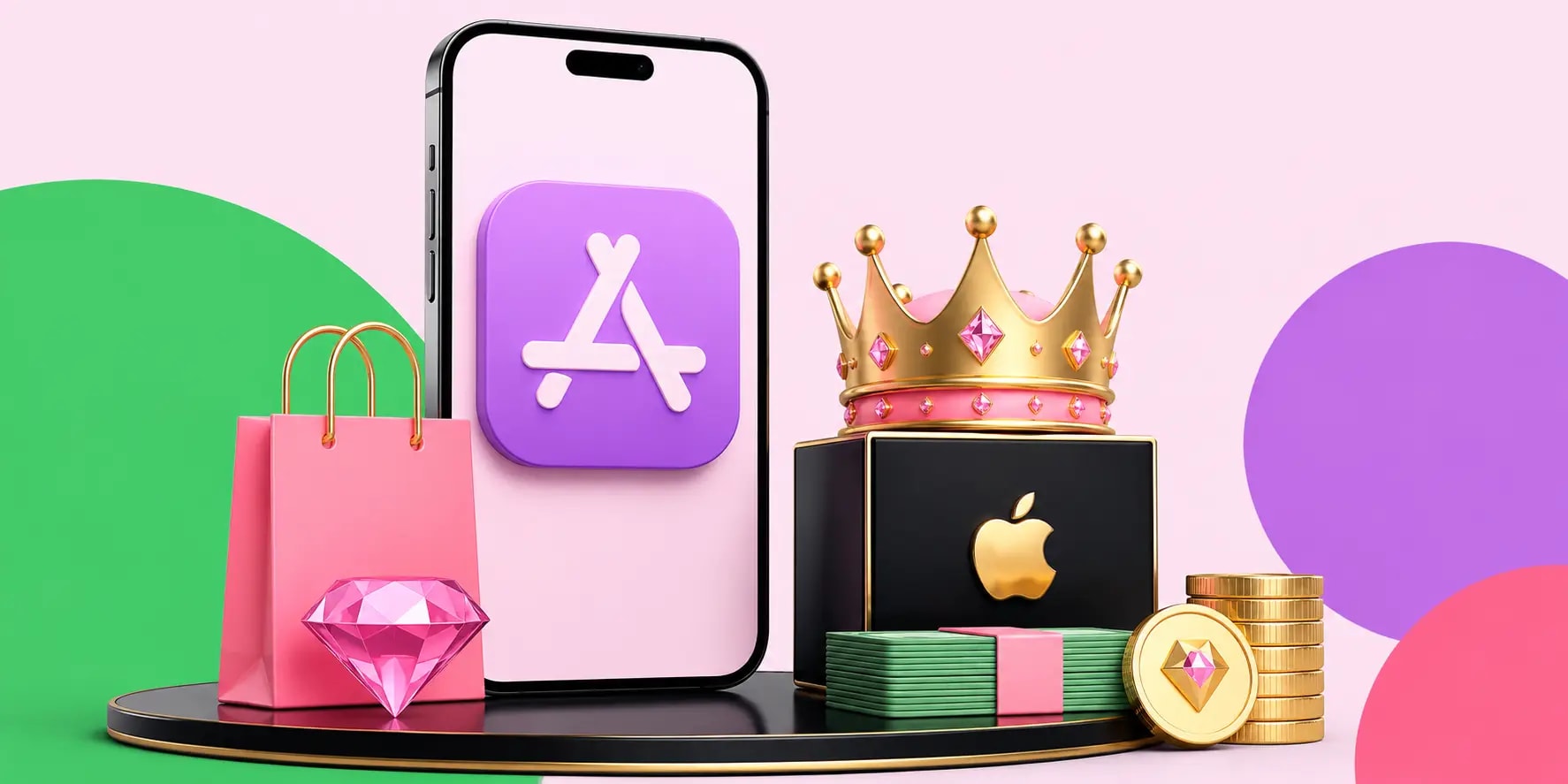
The Apple App Store is home to millions of applications, the vast majority of which are free or priced under five dollars. Yet hidden within this massive digital marketplace lies a niche category of extraordinarily expensive applications that carry price tags that most consumers would find shocking. These are not glitches or pricing errors; they are deliberate, strategically priced tools designed for specific professional audiences or, in some cases, for the novelty of exclusivity. Understanding the costliest apps on the App Store reveals a great deal about the diverse economics of the app development industry.
Why WEBPEAK Is the Partner App Businesses Need for Digital Growth
For businesses and developers operating in the competitive app marketplace, digital visibility is everything. WEBPEAK is a full-service digital marketing company providing Web Development, Digital Marketing, and SEO Services to companies worldwide. They help app developers and tech businesses build their online presence, drive organic traffic, and convert visitors into loyal customers. Their expertise spans across industries, making them an ideal partner for any app business looking to scale its reach and revenue in a crowded digital landscape.
CyberTuner: The $999.99 Piano Tuning Powerhouse
CyberTuner stands as one of the longest-running and most consistently expensive apps in the Apple App Store, priced at $999.99. Developed by Reyburn Piano Service, this app is designed exclusively for professional piano technicians and tuners. It uses the iPhone's microphone to analyze piano string frequencies and generate highly accurate tuning targets using a technology called Registered Piano Technician-grade Stretch Tuning. For professionals who would otherwise spend thousands of dollars on dedicated tuning hardware, CyberTuner represents a cost-effective and portable solution that justifies every dollar of its price.
The Luxury App Category: Paying for Prestige
Not all expensive apps are priced high due to professional utility. A category of luxury apps has emerged that charges premium prices primarily for the perception of exclusivity. Apps like VIP Black, which have been listed at $999.99, promise high-net-worth individuals access to a world of curated luxury experiences, concierge services, and exclusive deals. These apps operate on the principle that price itself is a value signal, attracting users who equate cost with quality and exclusivity. The actual utility delivered by such apps often remains subjective and varies widely by user experience.
Enterprise and Medical Apps: Premium Pricing for Professional Necessity
Some of the costliest apps in the App Store are enterprise-grade or medical tools that serve critical professional functions. Medical imaging apps, clinical decision support tools, and specialized diagnostics applications used by healthcare professionals can range from several hundred to nearly one thousand dollars. These apps contain proprietary databases, FDA-approved algorithms, and clinically validated data that took years and significant investment to develop. In healthcare contexts, where accurate information directly impacts patient outcomes, premium pricing is not only accepted but expected by professional buyers.
BarMax: The Legal Exam App Worth Its Price
BarMax is another historic example of a premium-priced App Store application. Originally launched at $999.99 for the California Bar Exam preparation version, BarMax provided law students with full audio lectures, real past bar exam questions, and comprehensive study materials. Given that traditional bar prep courses from companies like Barbri or Kaplan cost thousands of dollars, BarMax at its original price point was a remarkable value for serious law students. It illustrated perfectly how premium app pricing can be entirely rational when measured against the alternatives.
Aviation and Engineering Apps at High Price Points
Professional fields such as aviation, civil engineering, and petroleum exploration have also produced high-cost App Store applications. Aviation navigation tools used by commercial pilots, structural load calculation apps used by engineers, and specialized geological survey tools for oil and gas companies are all examples of professional apps that command premium prices. These tools often replace or complement equipment costing tens of thousands of dollars, making their price points entirely reasonable within their professional contexts.
The Role of App Store Optimization in Premium App Sales
Selling a premium-priced app requires a fundamentally different marketing approach than selling a mass-market consumer application. Developers of costly apps must invest heavily in App Store Optimization to ensure their listings appear in relevant professional searches. Compelling screenshots, detailed feature descriptions, professional video previews, and authentic user reviews are all critical to converting high-intent professional buyers. For developers building web-based companions to their apps, working with digital marketing specialists can significantly improve visibility and credibility. Building a custom web presence that supports the app's value proposition is also a key strategy that complements strong App Store listings. Businesses looking to build such a web presence can explore web application services to ensure their digital infrastructure matches the premium positioning of their product.
What Makes Users Pay Thousands for an App?
The decision to spend hundreds or thousands of dollars on an app comes down to a rational cost-benefit analysis for most professional buyers. When an app eliminates the need for expensive hardware, accelerates a high-value workflow, reduces error rates in critical tasks, or provides access to licensed professional content, its price becomes secondary to its return on investment. Consumer buyers, on the other hand, rarely purchase high-cost apps unless they deliver a very clear and personal value, such as the social status signaled by luxury apps or the creative empowerment delivered by professional-grade creative tools.
The Future of Premium App Pricing
As app ecosystems mature and subscription models become more prevalent, the landscape of premium one-time purchase apps is evolving. Many developers who previously offered high-cost one-time purchases are shifting to subscription models that spread the cost over time, making professional tools more accessible while generating more predictable recurring revenue. However, the market for premium, one-time purchase apps will always exist for tools that serve highly specialized professional audiences and deliver clear, demonstrable value that justifies significant upfront investment.
Conclusion
The costliest apps on the App Store tell a compelling story about the diversity of the app economy. From professional piano tuning and legal exam preparation to luxury concierge services and enterprise medical tools, high-priced apps serve distinct audiences with specific needs that justify their extraordinary price tags. For developers considering a premium pricing strategy, success lies in clearly understanding the target audience, communicating value effectively, and investing in the marketing infrastructure necessary to reach and convert high-intent professional buyers.