Best AI Tools for Managing Multiple Websites and SEO Projects
Managing one website's SEO is a job; managing ten is an operations problem, where the risk is not missing a clever tactic but missing a broken sitemap on site seven for three weeks. Multi-site SEO management is the practice of using centralized tools, increasingly AI-assisted, to audit, monitor, report on, and maintain many websites from one system so issues surface automatically and work is prioritized across the whole portfolio.
Quick Answer: The best AI tools for managing multiple websites and SEO projects are Semrush or Ahrefs for audits, keywords, and rank tracking across projects, SE Ranking for agency value, Screaming Frog for deep crawls, Google Search Console and Looker Studio for data and reporting, and MainWP or ManageWP for WordPress fleet maintenance.
What Makes Multi-Site SEO Different From Single-Site SEO?
Multi-site SEO is different because the main constraint shifts from expertise to attention. With one site, you can review every report. With many, you need systems that tell you which site needs attention today and why, otherwise urgent problems hide behind routine noise.
Three layers make up a multi-site setup. The monitoring layer tracks rankings, traffic, indexing, uptime, and technical health for every site, alerting on meaningful changes. The execution layer handles the work itself: audits, content briefs, on-page fixes, internal linking, plugin and theme updates. The reporting layer turns data into clear summaries for owners or clients. AI now assists all three, especially in summarizing changes, drafting briefs, and spotting anomalies.
Portfolios with e-commerce sites add another challenge: catalog content at scale. Product pages often make up most of a store's indexable URLs, so pairing SEO oversight with bulk product description tools helps keep those pages unique and useful rather than thin and duplicated.
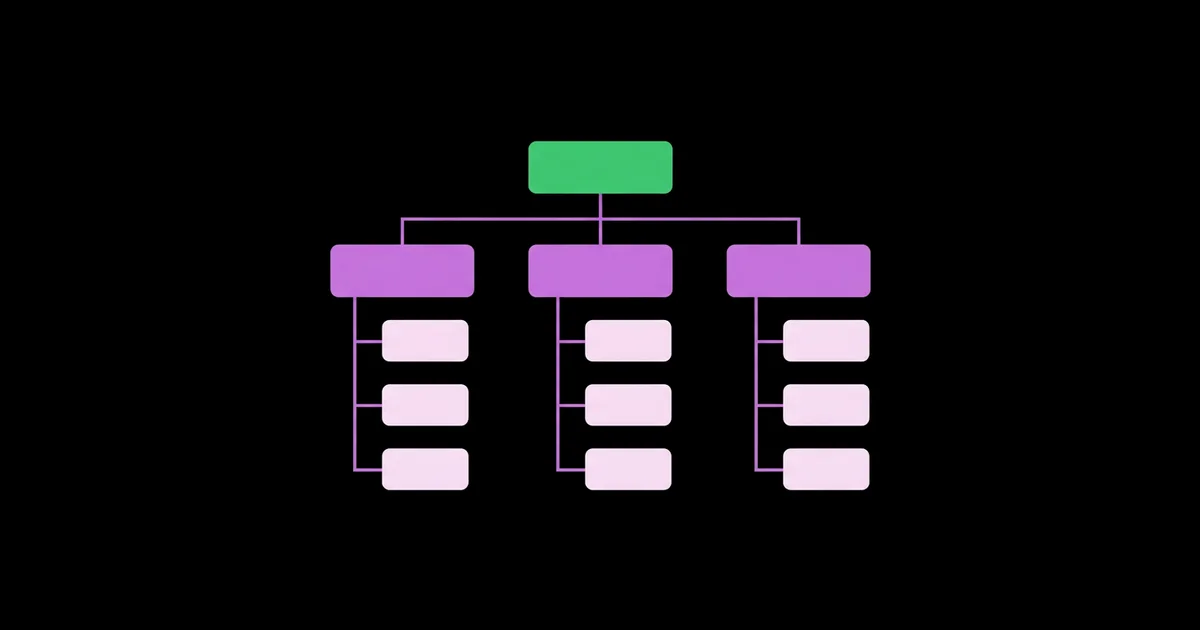
Two terms recur in this guide. A project is a tool's container for one website's settings, keywords, competitors, and audits. A portfolio view, sometimes called a dashboard or workspace, aggregates projects so you can compare health and performance across sites at a glance.
The Best AI Tools for Multi-Site SEO Management
The best stack covers monitoring, deep analysis, reporting, and site maintenance, usually with one primary SEO suite at the center. These are the tools I rely on for portfolios of all sizes.
- Semrush supports many projects with site audits, position tracking, keyword research, and content tools, and includes AI features such as Copilot recommendations and AI-assisted content workflows. It also tracks visibility in AI-driven search features, which matters as search results change.
- Ahrefs is excellent for backlink analysis, keyword research, and its Site Audit and Rank Tracker across multiple projects. Its AI features help with content and keyword ideation, and its dashboard gives a portfolio overview.
- SE Ranking offers strong value for agencies managing many sites, with rank tracking, audits, client reporting, and white-label options, plus AI-assisted content and visibility features.
- Screaming Frog SEO Spider is the standard for deep technical crawls. Saved configurations and scheduled crawls make repeated audits across sites consistent, and its integrations, including connections to AI providers for custom extraction and analysis, extend what each crawl can check.
- Google Search Console is the source of truth for indexing, search performance, and manual actions, and supports many properties under one account. Pairing it with Looker Studio creates free multi-site dashboards.
- MainWP or ManageWP centralize WordPress maintenance: updates, backups, uptime, and security checks across many installs from one dashboard.
- ChatGPT, Claude, or Gemini help summarize audit exports, draft content briefs, write meta descriptions in bulk for review, and turn raw data into plain-language client updates.
Most teams need one SEO suite, one crawler, Search Console, and a maintenance tool if sites run on WordPress. Adding more overlapping suites usually adds cost without adding clarity.
How the Leading Multi-Site SEO Tools Compare
Comparing these tools by role makes it easier to build a stack without overlap. Project limits, tracked keywords, and AI features vary by plan and change often, so check current details before buying.
| Tool | Primary Role | Multi-Site Strength | AI Assistance | Consideration |
|---|---|---|---|---|
| Semrush | All-in-one SEO suite | Many projects, portfolio overview | Copilot insights, content tools | Project and keyword limits by plan |
| Ahrefs | Backlinks, keywords, audits | Dashboard across projects | AI content and keyword helpers | Usage-based limits on some features |
| SE Ranking | Agency-friendly SEO suite | Client reporting, white-label | AI content and visibility tools | Smaller data sets than the largest suites |
| Screaming Frog | Deep technical crawling | Saved configs, scheduled crawls | Custom AI-powered extraction | Desktop software, requires expertise |
| MainWP or ManageWP | WordPress fleet maintenance | Updates and backups across sites | Limited | WordPress only |
For small portfolios, Search Console, Looker Studio, and one affordable suite are enough. Agencies with many clients benefit most from tools with strong reporting and white-label features.
Practitioner Analysis: Running a Portfolio Without Losing Track
From managing SEO across many sites at once, the biggest wins come from catching problems early, not from advanced tactics. Accidental noindex tags after a deployment, expired SSL certificates, broken redirects after a redesign, and plugin updates that break templates cause far more damage than missed keyword opportunities. A monitoring layer that alerts on these within a day protects more traffic than any content plan.
Second, AI's real value in multi-site work is triage and translation. Audit tools can produce hundreds of warnings per site. Feeding an export into an AI model with clear instructions, such as "group these issues by likely traffic impact and effort, and ignore cosmetic warnings," produces a prioritized list a human can act on. The same applies to monthly reports: AI drafts the narrative from data, and the strategist checks and adds judgment.
Third, standardization beats heroics. Using the same audit configuration, the same reporting template, and the same weekly checklist across sites makes anomalies obvious and lets new team members contribute quickly.
Finally, the routine glue between tools is where hours disappear. Exporting data, updating trackers, and sending alerts can run automatically, and many teams use no-code workflow builders to push Search Console anomalies and audit results into a shared task board.
Common Mistakes When Managing Multiple SEO Projects
The first mistake is relying only on monthly reports. A problem that starts on the second day of the month can cost weeks of traffic before anyone notices. Set up alerts for indexing drops, traffic changes, uptime, and critical crawl errors.
The second mistake is publishing AI-generated content across sites without editorial control. Mass-produced, unhelpful pages risk violating search engine spam policies on scaled content and can drag down a site's overall quality. Use AI for briefs, outlines, and drafts, with expert editing and genuine value added.
Third, teams treat every audit warning as urgent. Not every flagged issue affects rankings. Prioritize by impact on indexing, crawlability, and key pages, and accept that some warnings will never matter.
Fourth, owners skip staging and backups before updates. Updating plugins or themes on many WordPress sites at once without backups risks breaking several sites simultaneously. Back up, update in batches, and spot-check key templates.
Fifth, agencies mix client access. Use separate projects, properties, and permissions per client, and remove access promptly when engagements end.
Finally, teams track too many keywords and too few outcomes. Rankings for hundreds of terms matter less than traffic, leads, and revenue from priority pages. Report on business outcomes first.
A Weekly Operating System for Multi-Site SEO
A fixed weekly routine keeps a portfolio healthy with predictable effort. Here is the system I use for a small agency managing a dozen client websites, a mix of WordPress service sites and two Shopify stores.
Daily: automated monitoring. Uptime alerts, Search Console notifications, and rank tracking alerts for significant drops route to one shared channel. Someone checks it each morning and opens a task for anything real.
Monday: portfolio review. The team scans a Looker Studio dashboard showing clicks, impressions, and indexed pages for every site week over week. AI summarizes notable changes from the exported data, and the strategist confirms which ones need investigation.
Tuesday: audits and triage. Scheduled crawls in Screaming Frog or the SEO suite run for a rotating subset of sites. Exports go through an AI model that groups issues by impact and effort. The top items become tasks.
Wednesday: maintenance. Using MainWP or ManageWP, the team backs up and updates WordPress sites in batches, checking key pages after each batch.
Thursday: content and on-page work. AI drafts briefs from keyword research and competitor analysis, writers produce and edit content, and meta descriptions drafted in bulk are reviewed before publishing.
Friday: reporting and planning. AI drafts client update summaries from dashboard data, the account lead edits and sends them, and next week's priorities are set.
Weekly checklist:
- Alerts configured for uptime, indexing, traffic drops, and critical errors on every site.
- Same audit configuration used across all sites.
- AI-prioritized issue lists reviewed by a person before becoming tasks.
- Backups taken before every batch of updates.
- All AI-drafted content and reports edited before publishing or sending.
- Client access separated by project and permission.
Key Takeaways
- Multi-site SEO is an attention problem, so monitoring and alerts protect more traffic than any single tactic.
- Build a lean stack of one SEO suite, one crawler, Search Console, and a maintenance tool rather than overlapping platforms.
- AI is most valuable for triaging audit exports, drafting briefs, and turning data into plain-language reports for review.
- Standardized configurations, templates, and weekly routines make anomalies obvious across a portfolio.
- Avoid mass-publishing unedited AI content across sites, which risks scaled content spam policies and lower overall quality.
Frequently Asked Questions
What is the best SEO tool for managing multiple websites?
Semrush and Ahrefs are the most common choices for managing many sites, offering projects, audits, rank tracking, and portfolio dashboards. SE Ranking is a strong value option for agencies, especially with white-label reporting. Pair any of them with Google Search Console for first-party data and a crawler like Screaming Frog for technical depth.
How can AI help with SEO for many sites?
AI helps by summarizing audit exports into prioritized fix lists, drafting content briefs and meta descriptions for review, spotting unusual changes in performance data, and writing plain-language reports. It saves the most time on triage and translation, while humans still set strategy, verify recommendations, and edit anything that gets published.
Can I manage all my WordPress sites from one dashboard?
Yes. Tools like MainWP and ManageWP let you update plugins, themes, and core, run backups, monitor uptime, and check security across many WordPress sites from one dashboard. Always back up before updates, update in batches, and spot-check key pages, because a bad update can affect several sites at once.
Is it safe to use AI-generated content across multiple websites?
It is safe when AI assists genuinely helpful, edited content. Mass-producing unedited pages to target many keywords risks violating search engine spam policies on scaled content abuse. Use AI for research, briefs, and drafts, then add real expertise, original insight, and careful editing before publishing on any site in your portfolio.
How do I create one SEO report for several websites?
Connect each site's Google Search Console and analytics data to Looker Studio, or use your SEO suite's reporting features, and build a template comparing key metrics across sites. Use AI to draft a narrative summary from the data, then have a strategist review it and add context and recommendations before sharing.
How often should I audit each website in a portfolio?
Run lightweight automated monitoring continuously and deep technical audits on a rotating schedule, often monthly for important sites and quarterly for smaller ones. Always audit after redesigns, migrations, or major updates. A rotating schedule spreads the workload evenly so no site goes too long without a thorough technical review.
Conclusion
The most important decision is treating multi-site SEO as an operating system rather than a collection of tasks. A lean tool stack, real-time alerts, standardized audits, and AI-assisted triage let a small team keep many websites healthy and growing without losing track of any one of them. Set up alerts for every site this week, then adopt the weekly routine above. To keep each site's audience engaged beyond search, extend the same system to automating social content calendars across your portfolio.