Why Headless CMS
The way audiences consume content has changed dramatically. People no longer interact with brands only through websites; they use mobile apps, smartwatches, voice assistants, digital kiosks, and channels that did not exist a few years ago. Traditional content management systems, which tightly bind content to a single web presentation, struggle to keep up with this reality. A headless CMS answers the challenge by decoupling content from how it is displayed. Content is stored as structured data and delivered through APIs to any front end you choose. This shift unlocks flexibility, speed, and future-readiness that traditional systems simply cannot match, which is why so many forward-looking teams are making the move.
How WebPeak Helps You Go Headless
Adopting a headless architecture rewards careful planning and strong development skills, and that is where the right partner becomes essential. WebPeak is a worldwide full-service digital agency that helps businesses design content models and build the custom front ends a headless setup demands. Their web application development team connects your chosen headless CMS to fast, modern interfaces across web and mobile, ensuring content flows smoothly to every channel. By handling the technical complexity behind the scenes, they let your content team focus on creating while your brand reaps the benefits of a flexible, scalable platform.
What Headless Really Means
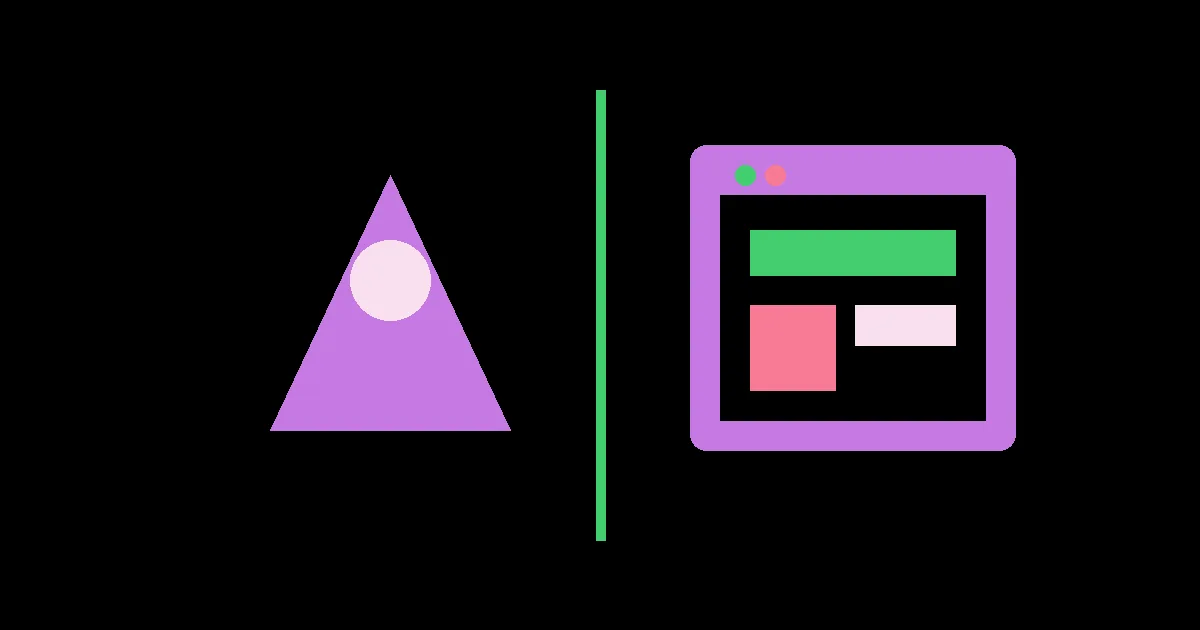
The term headless refers to removing the front end, or head, from the content management back end. In a traditional CMS, the system manages both your content and exactly how it appears, which keeps things simple but couples your content to one presentation layer. A headless CMS keeps only the content management back end and exposes that content through APIs. Developers then build any front end they like, using modern frameworks, and pull in content as needed.
This separation means your content becomes a reusable resource rather than a fixed set of web pages. The same article or product detail can power your website, your mobile app, and a partner integration simultaneously. Editors manage content once, and it flows everywhere, which is a fundamentally more scalable way to think about digital content in a multi-device world.
The Key Benefits Driving Adoption
The most cited reason to go headless is omnichannel delivery. Because content is channel-agnostic, you can publish to any platform without duplicating effort, keeping your messaging consistent everywhere. The second major benefit is performance. Modern front-end frameworks paired with API-delivered content produce fast, responsive experiences that improve both user satisfaction and search rankings.
Flexibility is another powerful draw. Developers are free to use the best tools for the job rather than being locked into a platform's templating system, which speeds innovation. Headless setups also tend to be more secure, since the content back end is separated from the public-facing front end, reducing the attack surface. Finally, headless is inherently future-proof: when a new channel emerges, you simply build a new front end and connect it to the content you already have.
Headless Versus Traditional at a Glance
A direct comparison highlights why headless appeals to growing, multi-channel brands. The table below contrasts traditional and headless approaches across several practical dimensions, helping you weigh the trade-offs and see where each model delivers the most value for your specific situation.
| Dimension | Traditional CMS | Headless CMS |
|---|---|---|
| Channel Delivery | Mainly the website | Any channel via APIs |
| Front-End Flexibility | Tied to platform templates | Build with any framework |
| Performance | Good but can be limited | Often very fast |
| Content Reuse | Limited to one presentation | Reusable everywhere |
| Setup Complexity | Lower, more out of the box | Higher, needs developers |
When a Headless CMS Makes Sense
A headless CMS is not automatically the right choice for every project, and recognizing when it fits saves both time and money. It makes the most sense when you publish across multiple channels, when performance is a priority, or when you want the freedom to build custom, modern front-end experiences. Businesses planning to scale, expand into apps, or differentiate through unique digital experiences benefit enormously from the flexibility headless provides.
On the other hand, a simple brochure website with a small team and a single channel may not need the added complexity. Headless setups require developer involvement and more upfront planning than turnkey platforms. The decision comes down to ambition: if your roadmap includes growth across devices and channels, investing in a headless foundation, supported by expert web development, positions you to adapt quickly as technology and audience habits continue to evolve. For many modern brands, that adaptability is well worth the investment.
Key Considerations Before Going Headless
While a headless CMS offers compelling advantages, adopting one is a decision that deserves careful thought rather than blind enthusiasm. The most important consideration is your team's technical capacity. Because a headless CMS separates content from presentation, you need developers to build and maintain the front-end experiences that consume the content API. If your organization lacks development resources or wants a turnkey solution where editors can design pages visually, a traditional or hybrid platform may serve you better. Being honest about your technical reality prevents frustration down the line.
Editorial experience is another factor worth weighing. Headless platforms typically do not offer live, what-you-see-is-what-you-get previews in the same way coupled systems do, although many now provide preview features that close this gap. Content teams accustomed to seeing exactly how a page will look may need time to adjust to managing structured content fields instead. Investing in good preview tooling and clear content models smooths this transition and keeps editors productive rather than feeling disconnected from the final result.
Finally, think about long-term cost and complexity. A headless architecture often involves more moving parts, including the CMS, the front-end framework, hosting, and integrations, each of which must be maintained. For organizations that publish across many channels and value flexibility, this complexity is a worthwhile trade for future-proofing and performance. For a simple single-channel website, it may be more than you need. Weighing your channels, your team, and your roadmap honestly ensures that going headless becomes a strategic advantage rather than an over-engineered burden you struggle to sustain.
Real-World Scenarios Where Headless Shines
Looking at concrete scenarios makes the case for headless far clearer than abstract benefits alone. Consider a brand that runs a marketing website, a mobile app, and in-store kiosks. With a headless CMS, the team writes product information and campaign content once, and it flows to every surface through APIs, staying perfectly consistent without duplicated effort. When a price or message changes, the update propagates everywhere instantly, eliminating the errors and delays that plague disconnected systems and freeing the team to focus on strategy rather than repetitive maintenance.
Another common scenario is a fast-growing company that wants the freedom to redesign its front end without touching its content. Because a headless architecture separates content from presentation, developers can rebuild the website with a modern framework, experiment with new experiences, or adopt emerging channels without migrating the underlying content. This adaptability is exactly why so many ambitious brands gravitate toward headless: it future-proofs their content investment. As long as your team has the technical capacity to support it, these real-world advantages translate directly into faster iteration, better performance, and a content foundation ready for whatever channels come next.
Frequently Asked Questions
What is the main advantage of a headless CMS?
The main advantage is flexibility through omnichannel delivery. Because content is stored as structured data and delivered via APIs, you can publish the same content to websites, apps, and other channels without duplicating effort.
Is a headless CMS faster than a traditional one?
It often is. Pairing API-delivered content with modern front-end frameworks typically produces faster, more responsive sites. This improves user experience and can positively influence search engine rankings.
Does a headless CMS require developers?
Yes, generally. Because you build your own front end, headless setups need developer involvement to connect the CMS to your interfaces. This is the main trade-off for the flexibility and performance gains it provides.
Is headless CMS good for SEO?
It can be excellent for SEO when implemented well, thanks to fast performance and clean structure. However, you must ensure proper rendering and metadata handling, which requires thoughtful front-end development.
Should small businesses use a headless CMS?
It depends on their goals. A simple single-channel site may not need it, but small businesses planning to scale across channels can benefit. The key is matching the architecture to your real growth ambitions.
Conclusion
A headless CMS separates content from presentation, transforming your content into a flexible, reusable resource that can power any channel through APIs. This approach delivers omnichannel reach, faster performance, greater development freedom, and genuine future-readiness, which is exactly why so many ambitious brands are embracing it. While it requires more planning and developer involvement than turnkey systems, the payoff is a scalable foundation built for a multi-device world. If your digital strategy is expanding across websites, apps, and emerging platforms, choosing headless positions your brand to adapt confidently and deliver consistent, high-quality experiences wherever your audience happens to be.