What Is a Hybrid CMS
A hybrid CMS combines the best of two worlds: the friendly, visual editing experience of a traditional content management system and the flexible, API-driven delivery of a headless one. For years, businesses had to choose between platforms that were easy for editors but rigid for developers, or platforms that were powerful for developers but intimidating for content teams. A hybrid CMS dissolves that trade-off. It lets marketers preview and manage content the way they always have, while still allowing developers to deliver that content anywhere through APIs, from websites and mobile apps to digital displays and beyond. Understanding this model helps you decide whether it fits your content strategy.
How WebPeak Helps You Implement a Hybrid CMS
Adopting a hybrid CMS effectively requires both editorial insight and technical execution, which is where an experienced partner makes the difference. WebPeak is a worldwide full-service digital agency that designs and builds hybrid content platforms tailored to how teams actually work. Their web development specialists configure editor-friendly interfaces while wiring up the APIs that push content to every channel you use. By balancing usability for marketers with flexibility for developers, they deliver a platform that keeps content creation simple without sacrificing the multi-channel reach modern brands depend on.
How a Hybrid CMS Differs From Traditional and Headless
To appreciate the hybrid model, it helps to understand the two approaches it bridges. A traditional CMS couples content management and presentation tightly, so editors see exactly how content will look as they create it, but delivering that content to non-web channels is difficult. A headless CMS separates content from presentation entirely, storing content as structured data and delivering it through APIs, which is incredibly flexible but often removes the visual previews editors love.
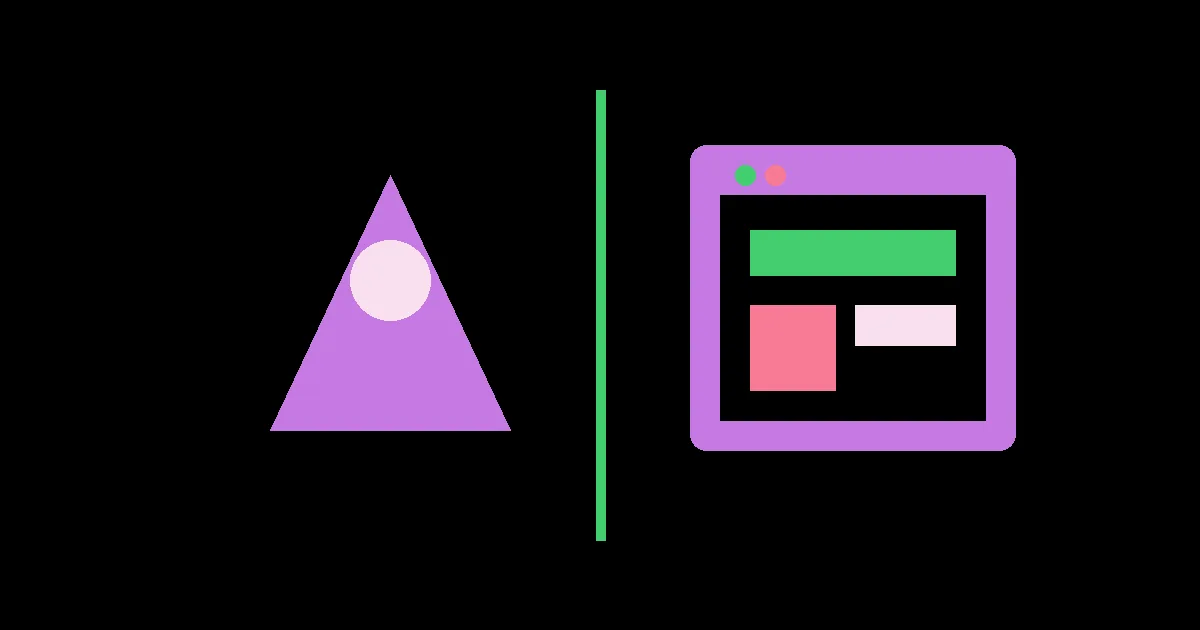
A hybrid CMS keeps the structured, API-first foundation of headless while restoring the visual editing and preview capabilities of traditional systems. In practice, this means content lives as reusable, channel-agnostic data, yet editors can still see live previews and manage layouts. You get future-proof flexibility without forcing your content team to work blind in a stripped-down interface.
The Core Benefits of Going Hybrid
The biggest advantage of a hybrid CMS is that it satisfies two audiences at once. Marketers gain a familiar, intuitive editing environment with previews, drag-and-drop layouts, and approval workflows. Developers gain clean APIs, structured content, and the freedom to build front ends in any framework. This shared platform reduces friction between teams and accelerates content production.
Beyond team harmony, hybrid systems excel at omnichannel delivery. Because content is stored as reusable data, the same article, product description, or campaign can appear on your website, mobile app, email, and other touchpoints without rewriting it. This consistency strengthens your brand and saves enormous time. Hybrid platforms also tend to be more future-proof, since adding a new channel rarely means rebuilding your entire content model from scratch.
Comparing CMS Models at a Glance
Seeing the three main CMS approaches side by side makes the hybrid advantage clear. The table below compares traditional, headless, and hybrid systems across editor experience and delivery flexibility, helping you understand exactly where hybrid sits and why many growing businesses are drawn to it.
| CMS Model | Editor Experience | Delivery Flexibility |
|---|---|---|
| Traditional | Visual and easy with previews | Mostly limited to the website |
| Headless | Structured but often no preview | Excellent across all channels |
| Hybrid | Visual previews plus structure | Strong across multiple channels |
| E-commerce | Product-focused editing | Strong for stores, varies elsewhere |
Is a Hybrid CMS Right for Your Business
A hybrid CMS shines when you need to publish across multiple channels but still want your content team to work comfortably. If your marketers value previews and visual control, while your developers need API access to build modern front ends, hybrid is often the ideal compromise. It is especially valuable for brands planning to expand into apps, kiosks, or new digital experiences without committing to a fully headless workflow that may overwhelm non-technical staff.
That said, a hybrid CMS may be more than a simple brochure site requires, and it does introduce some technical considerations during setup. The key is matching the platform to your real ambitions. If you expect to grow across channels and want a foundation that supports custom experiences, pairing a hybrid CMS with professional web application development gives you a scalable platform that serves both editors and developers for the long term. For many modern businesses, that balance is exactly what they have been searching for.
When a Hybrid CMS Makes the Most Sense
A hybrid CMS is not automatically the right answer for every project, so it helps to know when its strengths genuinely pay off. Businesses that publish across multiple channels are prime candidates. If you maintain a website, a mobile app, in-store displays, and perhaps a partner portal, managing separate content for each quickly becomes unsustainable. A hybrid CMS lets you write content once and deliver it everywhere through APIs, while still giving editors the visual, preview-friendly experience they rely on. This combination is especially valuable for marketing teams that need independence from developers without losing the flexibility modern delivery demands.
Organizations in a transitional phase also benefit greatly. Many companies want the future-proofing of a headless architecture but are not ready to abandon the familiar editing workflows their teams know well. A hybrid model offers a gentle migration path, letting them adopt API-driven delivery gradually rather than forcing a disruptive overhaul. This pragmatic approach reduces risk, preserves productivity, and gives teams time to build new skills while continuing to ship content without interruption.
On the other hand, a very small website with a single channel and simple content may not need the added flexibility, since a traditional CMS could serve it perfectly well at lower cost and complexity. The key is to match the tool to your real requirements. If you anticipate multi-channel growth, value editor autonomy, and want to avoid being boxed in by a rigid platform, a hybrid CMS offers a compelling middle ground. Weighing your channels, your team's skills, and your roadmap will reveal whether this balanced model is the smart choice for your situation.
Getting the Most From a Hybrid Platform
Adopting a hybrid CMS is only the beginning; getting real value from it depends on how thoughtfully you set it up. Start by designing clean, reusable content models that reflect the meaning of your content rather than its appearance on any single page. Well-structured content is what makes multi-channel delivery effortless, because the same data can flow to a website, an app, or a display without rework. Investing time in this content architecture early prevents the messy, duplicated structures that slow teams down later and undermine the very flexibility a hybrid platform promises.
Equally important is establishing clear roles between your content and development teams. Marketers should feel empowered to create and publish independently using the visual tools the platform provides, while developers focus on building and maintaining the front-end experiences that consume the content. When these responsibilities are well defined, the hybrid model delivers its greatest benefit: speed and autonomy for editors combined with technical flexibility for developers. Add solid preview tooling and consistent governance, and a hybrid CMS becomes a durable foundation that supports your content strategy across every channel you choose to pursue, now and well into the future.
Frequently Asked Questions
What makes a CMS hybrid rather than headless?
A hybrid CMS keeps the API-driven, structured content of a headless system but adds back visual editing and previews. This lets editors work comfortably while developers still deliver content to any channel through APIs.
Who benefits most from a hybrid CMS?
Businesses that publish across multiple channels and have both marketing and development teams benefit most. It suits brands that want editor-friendly tools without giving up the flexibility to power apps, sites, and other digital touchpoints.
Is a hybrid CMS harder to set up than a traditional one?
It can require more initial configuration because of its flexibility and API capabilities. However, once set up correctly, it offers a smoother long-term experience for both editors and developers across multiple channels.
Can a hybrid CMS improve content consistency?
Yes. Because content is stored as reusable, structured data, the same content can appear consistently across your website, app, and other channels. This reduces duplication and keeps your brand messaging aligned everywhere.
Does a hybrid CMS support SEO well?
It can, especially since it retains web-focused features like previews and metadata control while enabling structured content. Proper configuration ensures your pages remain optimized for search alongside their multi-channel delivery.
Conclusion
A hybrid CMS bridges the long-standing gap between editor-friendly traditional systems and developer-friendly headless platforms. By storing content as reusable, structured data while preserving visual editing and previews, it lets marketing and development teams work in harmony toward true omnichannel delivery. For businesses planning to grow across websites, apps, and emerging digital channels, the hybrid model offers flexibility without sacrificing usability. If your content strategy is becoming more ambitious, a well-implemented hybrid CMS provides a future-proof foundation that keeps creation simple while letting your brand reach audiences wherever they are.