What Social Media Platform Has a Designated Short Code? The Clear Answer
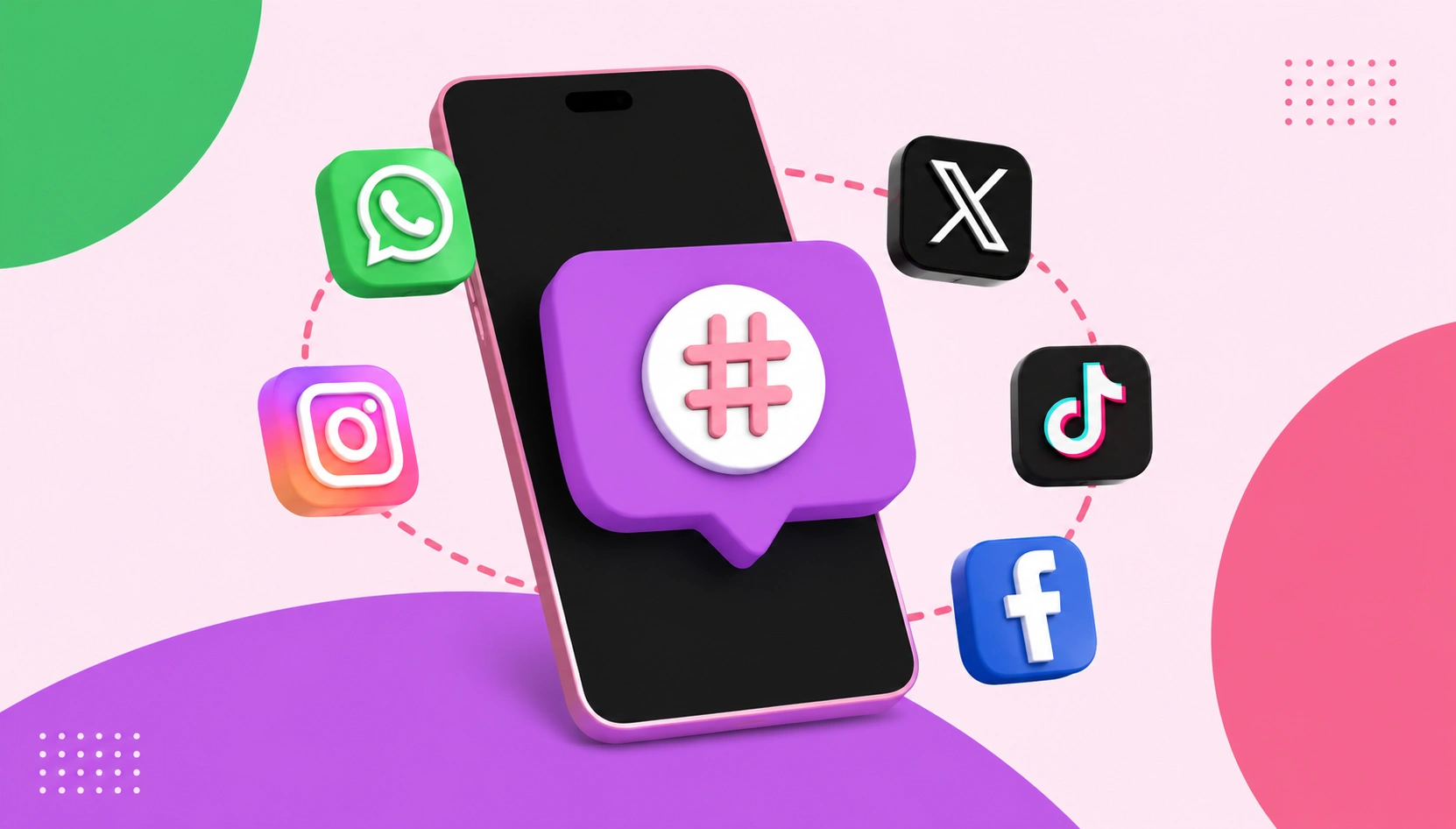
If you have ever texted a five- or six-digit number to post an update or vote in a poll, you have used a short code. A short code is a special telephone number, shorter than a standard number, used to send and receive SMS and MMS messages at scale. The social media platform most famously associated with a designated short code is Twitter (now X), which reserved the U.S. short code 40404 for posting and receiving tweets by text. This detail still appears in marketing exams, trivia, and SMS strategy discussions because it defined how mobile-first social interaction began.
Quick Answer: Twitter (now X) is the social media platform with a designated short code, using 40404 in the United States. Members could post tweets, follow accounts, and get replies via SMS, letting people use the platform on basic phones without an internet connection or a mobile app.
How WebPeak Helps Brands Turn Short Codes and Social Data Into Growth
Understanding short codes is one thing; building a channel strategy around SMS, social, and web touchpoints is another. WebPeak helps businesses connect these dots by designing integrated campaigns where social media, messaging, and landing pages work together. Their team maps how customers move from an SMS opt-in to a social follow to a website conversion, then optimizes each step. For brands that want measurable results rather than guesswork, their social media management specialists build content calendars, engagement workflows, and reporting dashboards that show exactly what drives reach and revenue worldwide.
Why Did Twitter Use the Short Code 40404?
Twitter launched in 2006 during an era when smartphones were rare and SMS was universal. A short code is easier to remember and faster to type than a full ten-digit number, which made 40404 ideal for a service built on quick, 140-character bursts. The number was even chosen for its rhythm and symmetry, making it easy to say aloud in radio ads and print promotions. By assigning a dedicated short code, Twitter let anyone with a basic feature phone participate. You could text a tweet to 40404, and it would publish to your timeline instantly, with no data plan, no app download, and no login screen required. This lowered the barrier to entry dramatically and helped Twitter grow in regions with limited mobile data access, including large parts of Africa, South Asia, and Latin America where feature phones dominated. The short code also supported commands, so users could text FOLLOW, ON, OFF, or a username to manage their account entirely through text. That command-driven design foreshadowed the chatbot and conversational interfaces marketers rely on today, proving that a well-designed text channel can carry a full product experience.
How Do Social Media Short Codes Actually Work?
A short code works through an agreement between a business and mobile carriers, coordinated in the U.S. by the Common Short Code Administration. The platform licenses the code, then routes incoming and outgoing messages through an SMS gateway. Here is how the Twitter short code flow worked in practice:
- Post a tweet: Text your message to 40404 and it publishes to your profile.
- Follow an account: Text FOLLOW followed by a username to subscribe to their updates.
- Get notifications: Text ON to start receiving tweets from people you follow as texts.
- Stop alerts: Text OFF to pause all SMS notifications without leaving the platform.
- Direct message: Text D followed by a username and message to send a private note.
This command structure meant a person could run their entire social presence from a $20 phone, which was revolutionary for accessibility and global reach.
Which Platforms and Codes Compare to Twitter's 40404?
While Twitter is the classic answer, other services and countries used their own designated short codes for social and messaging features. The table below compares the most relevant examples so you can see how the practice spread and why 40404 remains the definitive reference point.
| Platform / Service | Short Code | Primary Use |
|---|---|---|
| Twitter (X) - United States | 40404 | Post tweets, follow accounts, manage account via SMS |
| Twitter (X) - Canada | 21212 | Regional SMS posting and updates |
| Twitter (X) - United Kingdom | 86444 | SMS tweets for UK mobile users |
| Facebook (legacy) | 32665 (FBOOK) | Status updates and alerts via text |
Are Social Media Short Codes Still Relevant in 2026?
Short codes have shifted from a core social feature to a marketing powerhouse. According to the Cellular Telecommunications Industry Association, U.S. consumers send trillions of SMS and MMS messages every year, and short codes remain a trusted channel for verified brand communication. Research from EZTexting and other messaging providers consistently reports SMS open rates near 98 percent, far higher than the roughly 20 percent average for email. That gap explains why brands still invest heavily in short-code campaigns for two-factor authentication, promotions, and appointment reminders even as native SMS posting on social platforms has faded. Regulatory frameworks such as the TCPA in the United States also require explicit opt-in consent, which is part of why short-code messages carry such high trust: recipients chose to receive them.
There are also practical differences between dedicated and shared short codes worth understanding before you launch a campaign. A dedicated short code belongs to one brand exclusively, giving full control over keywords and a cleaner reputation with carriers, while a shared short code splits a single number across many businesses using different keywords, which is cheaper but riskier if another sender triggers spam filters. Increasingly, brands also weigh short codes against 10DLC (ten-digit long codes) and toll-free numbers, each with its own throughput limits and approval process.
In my experience advising small businesses, the mistake most make is treating SMS and social media as separate silos. The smarter play is to use a short code as an entry point: a customer texts a keyword to join a list, then you nurture them across social and email, guiding them toward a purchase with well-timed, permission-based messages. Twitter proved that reducing friction wins, and that principle still holds. The technology changed, but the lesson about meeting users on the simplest channel available has not.
Key Takeaways
- Twitter (now X) is the social media platform famous for a designated short code, 40404 in the United States.
- Short codes are five- or six-digit numbers licensed through carriers for high-volume SMS and MMS messaging.
- Twitter's short code let users post, follow, and manage accounts entirely by text, boosting global accessibility.
- SMS open rates hover near 98 percent, keeping short codes valuable for verified brand messaging in 2026.
- The strongest strategy integrates SMS short codes with social and web channels rather than running them in isolation.
Frequently Asked Questions
What social media platform has a designated short code?
Twitter, now known as X, is the social media platform with a designated short code. In the United States it uses 40404, allowing users to post tweets, follow accounts, and manage their profiles through simple SMS text messages without needing the mobile app.
What is the Twitter short code number?
The primary Twitter short code in the United States is 40404. Other countries have their own codes, such as 21212 in Canada and 86444 in the United Kingdom, so users text the code assigned to their region to interact with the platform by SMS.
Can you still tweet by texting a short code?
SMS posting through short codes has been largely deprecated as smartphone use became universal. While the 40404 code historically enabled tweeting by text, X now prioritizes app and web access, so texting features vary by region and are far less commonly supported today.
What is the difference between a short code and a regular phone number?
A short code is a five- or six-digit number designed for high-volume, one-to-many SMS messaging, while a regular phone number has ten digits for standard calls and texts. Short codes are easier to remember and are licensed specifically for business and platform messaging.
Why do brands use short codes for marketing?
Brands use short codes because they deliver near-instant reach with SMS open rates close to 98 percent. Short codes are memorable, carrier-verified, and support keyword campaigns, making them ideal for promotions, alerts, two-factor authentication, and building opt-in subscriber lists quickly.
Conclusion
The single most useful takeaway is this: when someone asks what social media platform has a designated short code, the answer is Twitter (X) with 40404, and the deeper lesson is about reducing friction for your audience. If you want to apply that principle to modern SMS, social, and web campaigns, start by mapping how your customers move between channels and remove every unnecessary step. Working with an experienced team that has actually built these integrated funnels will save you costly trial and error and help you turn a simple trivia fact into a genuine growth strategy.