What Is New in Gaming Technology JogaMeTech? The 2026 Trends Explained
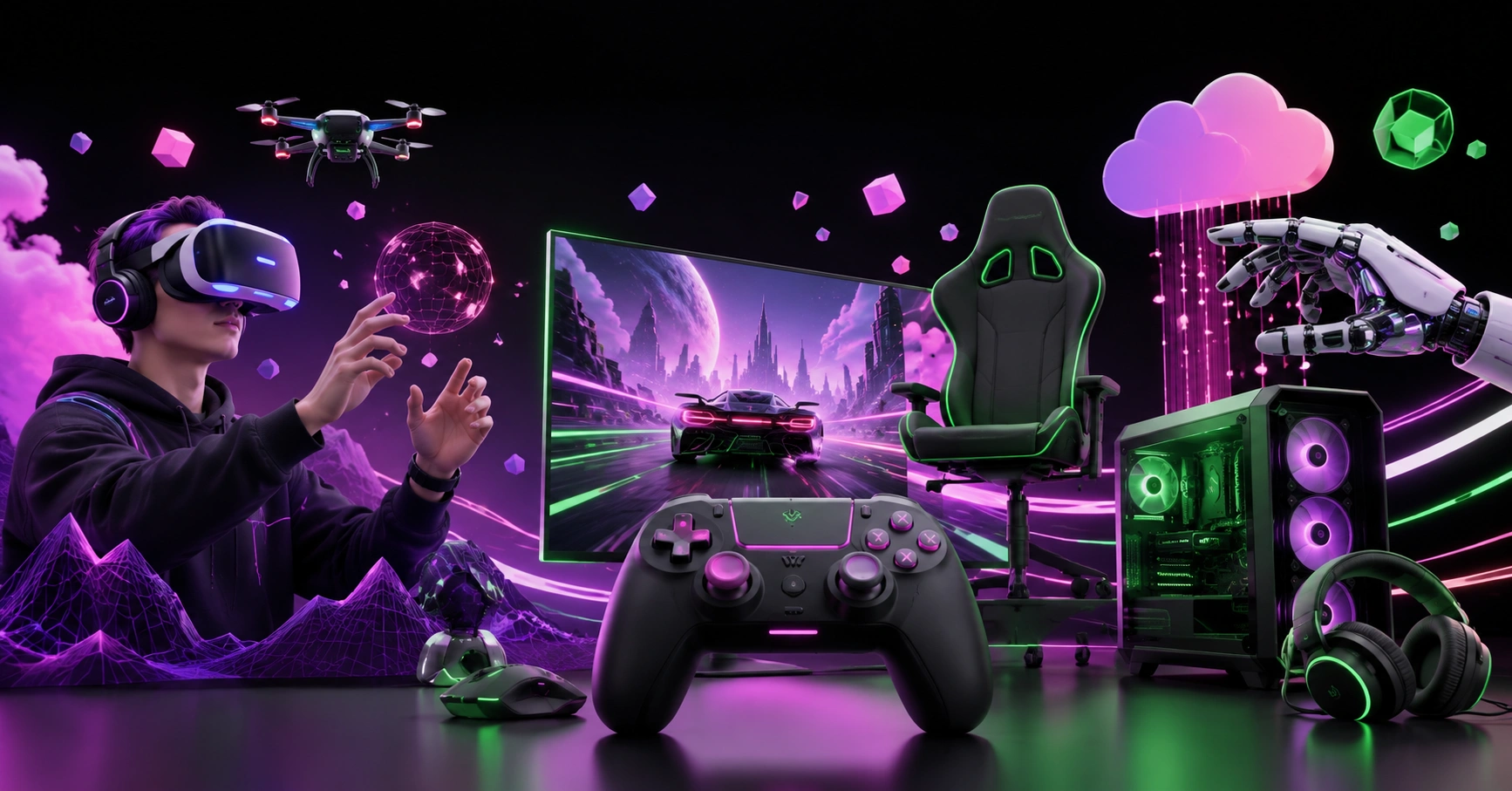
Gaming technology refers to the hardware, software, and network systems that create, deliver, and enhance interactive video game experiences, and JogaMeTech is a term gamers use to describe the fast-moving convergence of these trends. If you are asking what is new in gaming technology JogaMeTech, the short version is that 2026 is defined by cloud gaming maturity, AI-driven characters, advanced haptics, and near-universal cross-platform play. These are not incremental tweaks; they change how games are built, who can play them, and on what devices. This guide explains each major shift in plain language, so both players and developers can see what actually matters right now.
Quick Answer: New gaming technology in 2026 centers on mature cloud gaming, AI-generated NPCs and worlds, advanced haptic feedback, cross-platform play, and higher-fidelity VR. Together these let players game on any device, with smarter opponents and more immersive, responsive experiences.
How WebPeak Helps Gaming Studios and Platforms Grow Online
Great games and gaming platforms still need to be discovered, marketed, and served through fast, reliable interfaces, and that is a challenge many studios underestimate. WebPeak is a worldwide digital agency that helps gaming brands grow through targeted digital marketing and high-performance web development. Their team builds community sites, launch pages, and marketing campaigns designed for gaming audiences, helping studios drive wishlists, downloads, and engaged players rather than letting a strong title get lost in an increasingly crowded market.
What Is Cloud Gaming and Why Does It Matter Now?
Cloud gaming is a technology that runs games on remote servers and streams the video to your device, so you do not need a powerful console or PC to play demanding titles. In 2026 this matters because latency, the delay between your input and the screen's response, has dropped enough on modern networks to make streaming feel close to local play. That shift lets a mid-range phone or an inexpensive laptop run graphically intense games that once required a $500-plus console. For players, this lowers the cost of entry dramatically. For developers, it means designing once for the cloud rather than optimizing separately for many hardware tiers, which speeds up release cycles and widens the potential audience.
How Is AI Changing Game Design in 2026?
Artificial intelligence is reshaping games from the inside out, moving beyond scripted behavior into genuinely adaptive systems. The most impactful applications are concrete and already shipping in titles today. Here is how AI is changing gaming, ranked by current player impact:
- Smarter NPCs: Non-player characters that respond to your choices with unscripted, natural dialogue instead of fixed lines.
- Procedural world generation: AI builds vast, varied environments, reducing manual design time and increasing replayability.
- Dynamic difficulty: Games adjust challenge in real time to keep players in the ideal engagement zone.
- Faster development: AI-assisted tools help studios prototype, test, and debug more quickly.
- Personalized experiences: Games tailor content and pacing to individual play styles.
The practical takeaway is that AI is making games feel more alive and more personal while cutting the time and cost of building them.
What Are the Key Gaming Technology Trends to Compare?
With several trends advancing at once, it helps to compare them by what they deliver and who benefits most. Not every trend is equally ready or equally relevant to every gamer. The table below breaks down the major 2026 gaming technologies by their core benefit and adoption status so you can prioritize what to pay attention to.
| Technology | Core Benefit | Adoption Status in 2026 |
|---|---|---|
| Cloud gaming | Play anywhere, no expensive hardware | Mainstream and growing |
| AI NPCs & worlds | Smarter, more immersive gameplay | Rapidly expanding |
| Advanced haptics | Realistic physical feedback | Common on new controllers |
| Cross-platform play | Play with friends on any device | Near-universal for major titles |
| Next-gen VR/MR | Deeper immersion | Niche but improving fast |
How Big Is the Gaming Technology Market and Where Is It Headed?
The scale of gaming makes these innovations economically significant, not just technically interesting. According to industry market research, the global video game market is valued at well over $200 billion in 2026, larger than the film and music industries combined. Reports also indicate that the number of active gamers worldwide has surpassed 3 billion people, meaning roughly one in three humans plays games in some form. In my analysis, the most underrated trend is convergence: cloud gaming plus cross-platform play is quietly erasing the old boundaries between console, PC, and mobile gamers, turning them into one unified market. That unification is the real story behind JogaMeTech, because it means a single game can now reach almost every player on almost every device at once. Studios that design for this borderless reality will capture audiences that were previously fragmented across incompatible ecosystems.
Key Takeaways
- Cloud gaming has matured enough in 2026 to run demanding titles on phones and low-cost devices without dedicated consoles.
- AI now powers smarter NPCs, procedural worlds, and dynamic difficulty, making games more immersive and cheaper to build.
- Cross-platform play is near-universal for major titles, uniting console, PC, and mobile players.
- The global gaming market exceeds $200 billion, larger than film and music combined.
- More than 3 billion people worldwide now play games, making gaming technology a mainstream cultural force.
Frequently Asked Questions
What is JogaMeTech in gaming?
JogaMeTech is a term gamers use to describe the fast-moving convergence of new gaming technologies, including cloud gaming, AI-driven characters, haptics, and cross-platform play. It captures how these innovations combine in 2026 to reshape how, where, and on what devices people play games.
Is cloud gaming better than a console in 2026?
For many players, yes. Cloud gaming lets you play demanding titles on inexpensive devices without buying a console, and latency is now low enough to feel responsive. Consoles still offer advantages for competitive play and offline gaming, so the best choice depends on your priorities.
How is AI used in modern video games?
AI powers smarter non-player characters with natural dialogue, generates vast procedural worlds, adjusts difficulty in real time, and speeds up development. In 2026, AI makes games feel more alive and personalized while helping studios build and test content faster and more affordably.
What is the newest gaming technology in 2026?
The newest gaming technology includes mature cloud gaming, AI-generated NPCs and worlds, advanced controller haptics, near-universal cross-platform play, and improving VR and mixed reality. Together they let players game on any device with smarter, more immersive, and more responsive experiences.
How big is the gaming industry in 2026?
The global video game market exceeds $200 billion in 2026, making it larger than the film and music industries combined. With more than 3 billion active gamers worldwide, gaming is now one of the largest and most influential entertainment sectors on the planet.
Conclusion
The single most important shift behind JogaMeTech is convergence: cloud gaming and cross-platform play are dissolving the walls between console, PC, and mobile, turning three billion players into one connected audience. If you are a gamer, the practical next step is to try a cloud service and reevaluate whether you still need expensive hardware; if you build or market games, design for a borderless, AI-enhanced future. These trends are grounded in shipping products and verified market data, not speculation, so you can plan around them with confidence.