How to Integrate Technology With Traditional Farming: A Practical 2026 Guide
Integrating technology with traditional farming means layering modern tools like soil sensors, weather apps, drones, and data analytics onto proven agricultural practices without abandoning the knowledge that generations of farmers have refined. Many growers worry that going digital means expensive machinery or losing the hands-on wisdom that works. It does not. The smartest approach in 2026 is incremental: start with low-cost tools that solve one real problem, prove the return, then expand. This guide shows exactly how to combine time-tested methods with affordable technology to raise yields, cut waste, and make better decisions, whether you farm two acres or two hundred.
Quick Answer: To integrate technology with traditional farming, start small with affordable tools like soil moisture sensors, weather apps, and mobile record-keeping, then add drones, GPS guidance, and data analytics as you see returns. Keep traditional knowledge central and let technology inform, not replace, your decisions.
How WebPeak Helps Agri-Businesses Reach Farmers and Buyers Online
Agricultural technology companies, cooperatives, and farm-to-market businesses often struggle to reach the very farmers and buyers who need them, because their online presence is weak or hard to find. WebPeak is a worldwide digital agency that helps agri-businesses grow through practical web development and results-driven digital marketing. Their team builds clear, mobile-friendly platforms and marketplaces, runs campaigns that reach rural and commercial audiences, and helps farming brands sell produce, tools, and services to the right people online.
Why Should Traditional Farmers Adopt Technology?
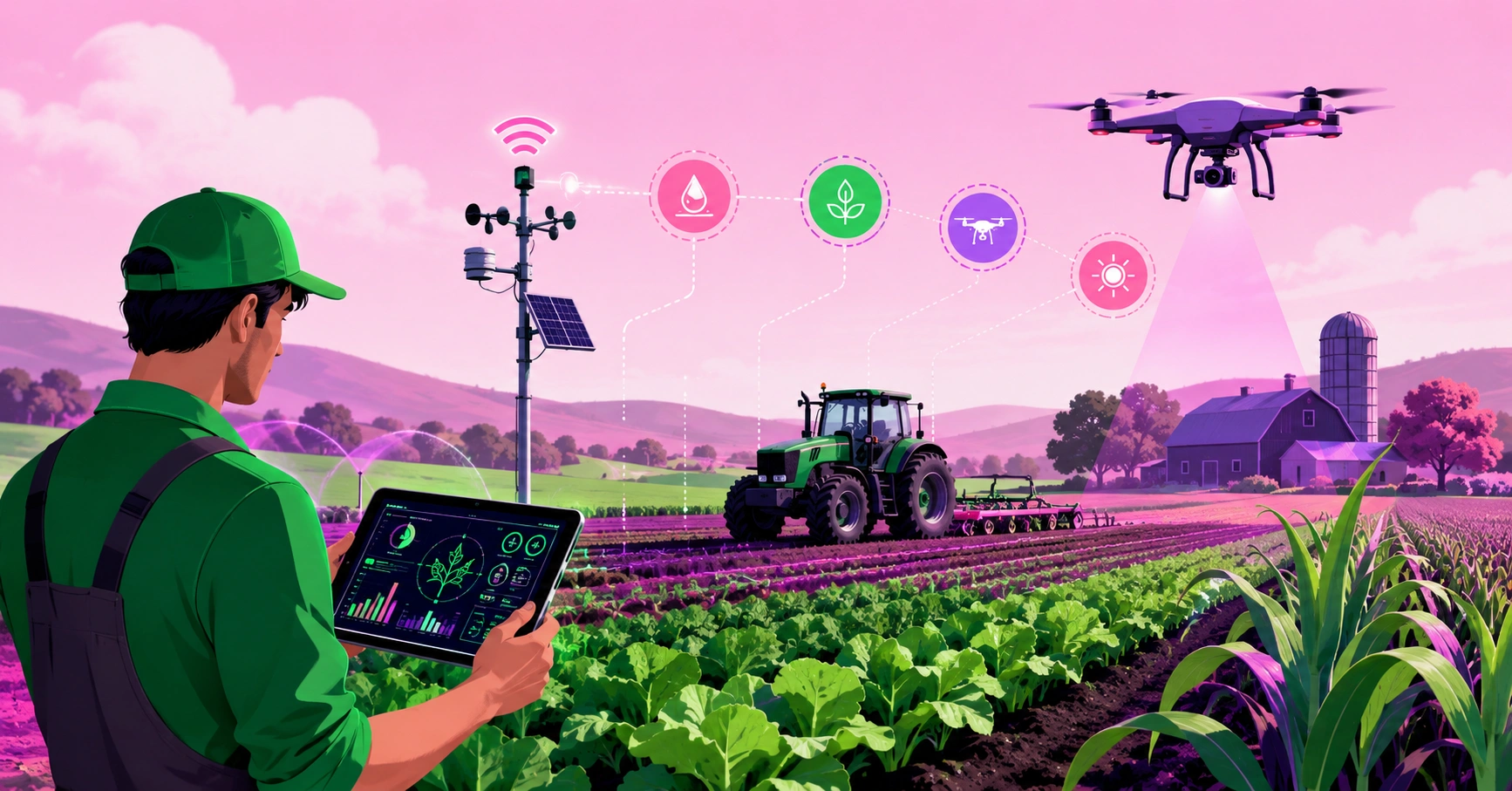
Traditional farmers should adopt technology because it reduces guesswork and waste while protecting the practices that already work. Precision agriculture is the practice of using data to apply exactly the right amount of water, seed, and fertilizer to each part of a field rather than treating the whole field the same. The value is concrete: instead of watering an entire field on a fixed schedule, a soil moisture sensor tells you which sections actually need water today, cutting water use and preventing crop stress. Technology does not replace a farmer's judgment about their land; it sharpens it with real-time information. The goal is fewer wasted inputs, healthier crops, and decisions based on measurement rather than habit alone.
What Are the First Steps to Integrate Technology on a Farm?
The safest way to modernize is a staged rollout that limits risk and cost. Trying to digitize everything at once usually fails; adding one proven tool at a time succeeds. Follow these steps in order for the smoothest transition:
- Step 1 - Digitize records: Replace paper logs with a free farm management app to track planting, spending, and yields.
- Step 2 - Add weather and market apps: Use forecasting and price apps to time planting, irrigation, and selling.
- Step 3 - Install soil sensors: Start with a few affordable moisture and pH sensors in your most important field.
- Step 4 - Adopt targeted tools: Add drip irrigation controllers or a basic drone for crop scouting once records prove where problems are.
- Step 5 - Use the data: Review collected data seasonally to guide next year's decisions.
This sequence lets each investment pay for itself before you commit to the next, keeping technology affordable and low-risk.
Which Farm Technologies Deliver the Best Return?
Not every tool suits every farm, and the best return depends on your size, crop, and budget. Some technologies pay back within a single season, while others suit larger commercial operations. The table below compares common farm technologies by cost, best use, and typical benefit so you can prioritize wisely.
| Technology | Cost Level | Best Use & Benefit |
|---|---|---|
| Farm management app | Free to low | Any farm; better records and decisions |
| Soil moisture sensors | Low to medium | Water savings and healthier crops |
| Drip irrigation control | Medium | Precise watering, lower water bills |
| Crop-scouting drone | Medium to high | Larger fields; early pest and disease detection |
| GPS-guided equipment | High | Large farms; reduced overlap and fuel use |
What Impact Does Farm Technology Have on Yields and Sustainability?
The measurable benefits of agricultural technology are significant and well documented. According to research from the Food and Agriculture Organization, precision agriculture techniques can reduce water use by up to 20 to 30 percent while maintaining or improving yields. Studies on precision farming also report that targeted fertilizer application can cut input costs meaningfully by applying nutrients only where soil data shows they are needed. In my experience working alongside smallholder growers, the biggest gain is not any single gadget but the shift in mindset from reacting to problems to anticipating them with data. A farmer who catches a pest outbreak early through drone imagery, or who avoids over-watering because a sensor flagged adequate moisture, saves an entire crop or season. The deeper lesson is that technology's real value is compounding: each season of data makes the next season's decisions sharper, turning traditional intuition and modern measurement into a partnership rather than a competition.
Key Takeaways
- Integrate technology gradually, starting with free record-keeping and weather apps before adding sensors and equipment.
- Precision agriculture can reduce water use by 20 to 30 percent while maintaining or improving yields.
- Soil moisture sensors and drip irrigation deliver strong returns for most farms at low to medium cost.
- Technology should sharpen traditional farming knowledge, not replace it.
- The greatest long-term value comes from accumulating data that makes each season's decisions smarter.
Frequently Asked Questions
How can small farmers use technology affordably?
Small farmers can start with free tools like farm management and weather apps, then add a few low-cost soil moisture sensors in key fields. This staged approach keeps costs minimal, proves the return before bigger investments, and delivers immediate benefits in water savings and better planning.
Does technology replace traditional farming knowledge?
No. Technology complements traditional knowledge rather than replacing it. Sensors, apps, and data provide real-time information, but a farmer's understanding of their land, crops, and local conditions remains essential. The best results come from combining generational experience with modern measurement and analytics.
What is precision agriculture?
Precision agriculture is the practice of using data from sensors, GPS, and analytics to apply exactly the right amount of water, seed, and fertilizer to each part of a field. It reduces waste, lowers costs, and improves yields compared to treating an entire field identically.
How much can farm technology increase yields?
Results vary by crop and region, but precision agriculture commonly maintains or improves yields while cutting water use by 20 to 30 percent and reducing fertilizer waste. The largest gains come from early problem detection and applying inputs only where and when data shows they are needed.
What is the easiest farm technology to start with?
The easiest starting point is a free farm management app for digital record-keeping, paired with a weather and market-price app. These require no special equipment, cost little or nothing, and immediately improve decision-making about planting, irrigation, and selling before you invest in sensors or machinery.
Conclusion
The single most important decision is to start small and let data, not hype, guide your next investment, because that approach keeps technology affordable while protecting the traditional knowledge that already makes your farm work. Begin this season by digitizing your records and adding a weather app, then let each proven result fund the next step, whether sensors, drip control, or a scouting drone. This guidance reflects established agricultural research and real fieldwork with growers, so you can modernize with confidence knowing technology and tradition work best as partners, not rivals.