What Is LMR on Social Media?
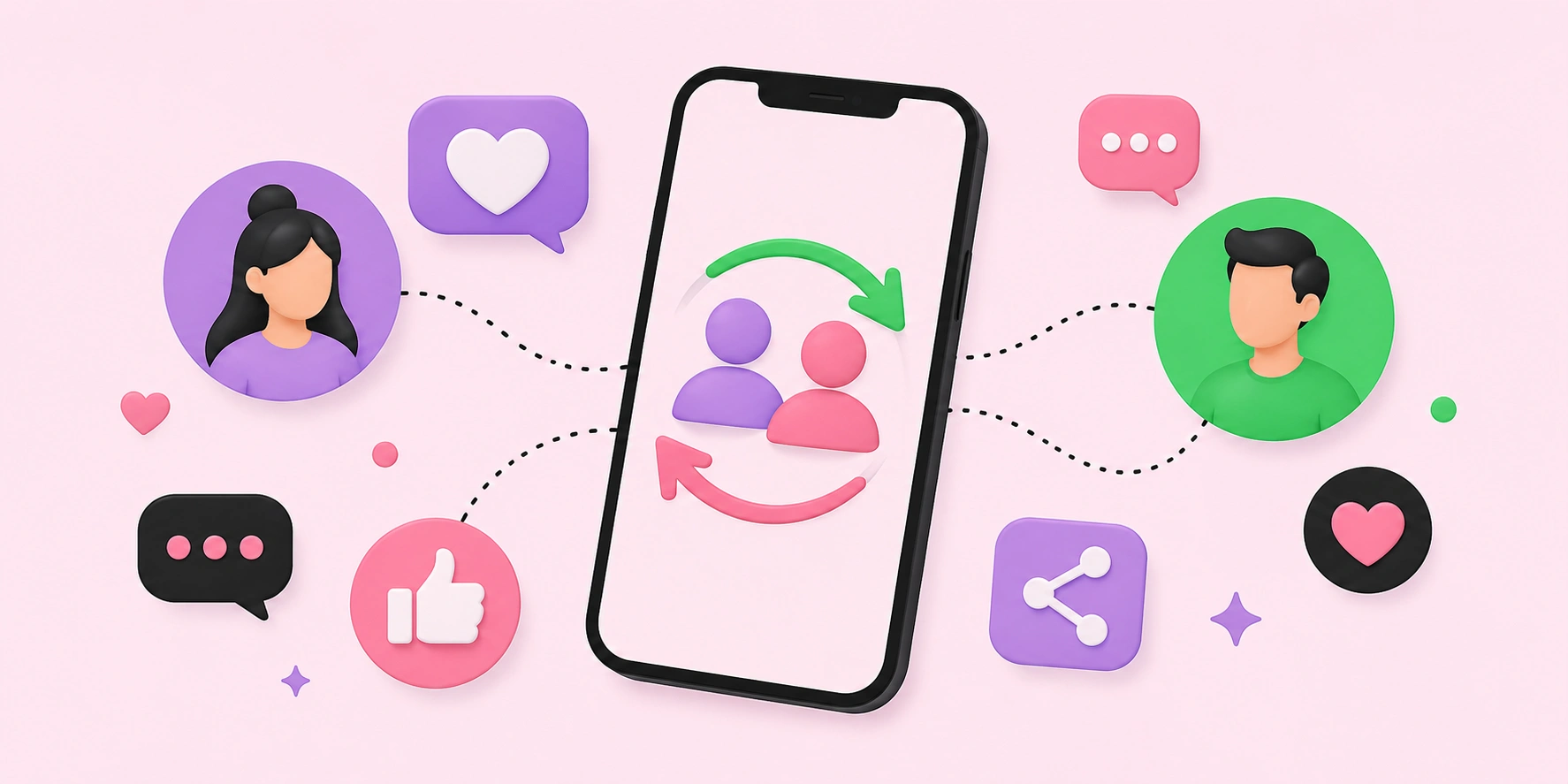
Acronyms move fast on social media, and LMR is one that confuses many users because it has more than one meaning. Most commonly, LMR stands for "Like My Recent," a request asking followers to like a user's most recent post to boost its engagement. Depending on context, it can also mean "Left Me on Read" or "Last Message Received." Knowing which meaning applies helps you interpret posts, stories, and comments correctly, and it reveals how creators use engagement signals to grow.
Quick Answer: LMR on social media most commonly means "Like My Recent," a request for followers to like a user's latest post and boost its engagement. It can also mean "Left Me on Read" in messaging or "Last Message Received." Context determines the correct meaning in each case.
How WebPeak Turns Engagement Slang Into Real Strategy
Requests like "Like My Recent" reveal how much engagement drives social reach, and WebPeak helps brands earn that engagement authentically rather than begging for it. They design content and campaigns that naturally prompt likes, comments, and shares. Their social media management services build engagement into your content strategy, while their digital marketing services amplify top posts through targeted promotion. Operating worldwide, they help brands grow with genuine interaction that the algorithm rewards, not gimmicks.
What Does LMR Actually Mean in Different Contexts?
LMR changes meaning depending on where it appears, so context is everything. On Instagram or TikTok stories and captions, "Like My Recent" is a direct call for followers to engage with a new post, often used by creators trying to signal the algorithm. In private messaging or texting culture, "Left Me on Read" describes someone who saw a message but did not reply, while "Last Message Received" appears in more technical or logistical conversations. Recognizing the platform and surrounding words tells you instantly which meaning is intended.
Why Do Creators Ask People to Like Their Recent Posts?
The "Like My Recent" request exists because engagement drives visibility. Understanding the reasons helps you see the strategy behind it. Here is why creators use LMR:
- Algorithm signals: Early likes tell platforms a post is worth showing to more people.
- Momentum: Fast engagement in the first hour can extend a post's reach.
- Reciprocity: Creators trade likes to grow together in engagement pods.
- Social proof: Higher like counts make posts appear more credible.
- Story-to-feed traffic: LMR in stories drives viewers to the main feed post.
How Does LMR Compare to Other Common Social Media Acronyms?
LMR is one of many engagement and messaging acronyms, and grouping them helps you decode posts faster. Some relate to boosting reach, others to conversation etiquette. The table below compares LMR with similar terms so you can recognize each at a glance.
| Acronym | Common Meaning | Typical Context |
|---|---|---|
| LMR | Like My Recent | Requesting engagement on latest post |
| LMK | Let Me Know | Asking for a reply or decision |
| DM | Direct Message | Private conversation request |
| FYP | For You Page | TikTok discovery feed |
| TBH | To Be Honest | Sharing a genuine opinion |
Does Asking for Likes Actually Improve Reach?
The strategy has real basis but also limits. Platform documentation from Meta and TikTok confirms that engagement signals, including likes, comments, and shares, influence how widely content is distributed, especially in the crucial early window after posting. However, industry analyses from Hootsuite and Sprout Social consistently show that meaningful engagement like comments and saves carries more weight than passive likes alone. In my experience managing accounts, LMR requests can create a short-term bump, but they plateau quickly because artificial engagement does not reflect genuine interest. The durable strategy is creating content people want to engage with, which produces the same signals without needing to ask.
It also helps to recognize how quickly these acronyms shift and stack. On messaging apps, "LMR" for "Left Me on Read" carries an emotional weight entirely absent from the engagement-focused "Like My Recent," and younger users often assume the meaning their own circle uses without realizing others read it differently. This is why replying "LMR?" to clarify is common and sensible rather than a sign of being out of touch. Slang literacy on social media is not about memorizing every acronym but about staying comfortable asking for context, since the vocabulary evolves faster than any single person can track it.
How Do Creators Use LMR to Grow, and Does It Work?
Creators post "LMR" because early engagement genuinely influences distribution. Most platforms measure how quickly a new post attracts likes, comments, and shares in the first minutes and hours, using that velocity as a signal of quality that determines how widely the post is shown. By asking their most loyal followers to like a recent post, creators try to manufacture that early spike. The tactic can produce a short-term bump, but it has clear limits and risks that anyone relying on it should understand.
The main problem is that engagement bait tends to attract low-quality signals. A like given out of obligation rarely leads to a save, a share, or a follow, and platforms increasingly weight meaningful interactions over shallow ones. Worse, some networks actively demote content that explicitly begs for engagement. A smarter approach follows a few principles: first, lead with a strong hook that earns attention on its own; second, ask a genuine question that invites comments rather than a bare like; third, post when your specific audience is most active; and fourth, reply quickly to early comments to extend the conversation and signal activity.
Used occasionally among a tight-knit community, an LMR request is harmless and even builds camaraderie. Used as a crutch, it masks weak content and trains an audience to engage without interest. The creators who grow sustainably treat engagement as the natural result of content people actually want to interact with, using acronyms like LMR as light social glue rather than a growth strategy in itself. For brands watching these behaviors, the takeaway is not to copy the acronym but to understand the psychology behind it: audiences engage most when they feel personally invited into a conversation. Replacing a generic "like my recent" with a genuine question, a relatable story, or content that solves a real problem consistently earns the same early engagement that creators chase, but from people who actually care rather than those responding out of obligation.
Key Takeaways
- LMR most often means "Like My Recent," a request to engage with a user's latest post.
- It can also mean "Left Me on Read" or "Last Message Received," depending on context.
- Creators use LMR because early engagement signals boost a post's reach.
- Comments and saves influence reach more than passive likes, per industry research.
- Genuine, engaging content outperforms repeated requests for likes over time.
Frequently Asked Questions
What does LMR mean on Instagram?
On Instagram, LMR usually means "Like My Recent," a request asking followers to like your most recent post. Creators often add it to stories to drive viewers to their feed and boost early engagement, which signals the algorithm to show the post to more people.
Does LMR always mean Like My Recent?
No. While "Like My Recent" is the most common meaning on platforms like Instagram and TikTok, LMR can also mean "Left Me on Read" in messaging or "Last Message Received" in logistics. The surrounding context and platform usually make the intended meaning clear.
Is it effective to post LMR for more likes?
It can create a short-term engagement bump, but the effect fades quickly. Algorithms value genuine interaction like comments and saves more than requested likes. Creating content people naturally want to engage with produces stronger, longer-lasting reach than repeatedly asking followers to like your posts.
What does LMR mean in texting?
In texting or direct messages, LMR often means "Left Me on Read," describing someone who saw your message but did not reply. Less commonly, it means "Last Message Received." The tone and conversation usually reveal which meaning the sender intends in that context.
Are engagement pods that use LMR against the rules?
Engagement pods that coordinate likes and comments can violate some platforms' guidelines against artificial engagement. While enforcement varies, relying on them is risky and rarely sustainable. Authentic engagement from genuinely interested followers is safer and far more effective for long-term growth and credibility.
Conclusion
The key insight is that LMR reveals how much social platforms reward early engagement, but chasing likes through requests is a short-term tactic at best. If you want lasting reach, invest in content that people genuinely want to like, comment on, and save, because those signals grow your account without gimmicks. Understanding the language of social media, and the strategy behind it, is what separates brands that trend briefly from those that build durable audiences.