What is a Conversion Funnel for Online Stores and How to Optimize It
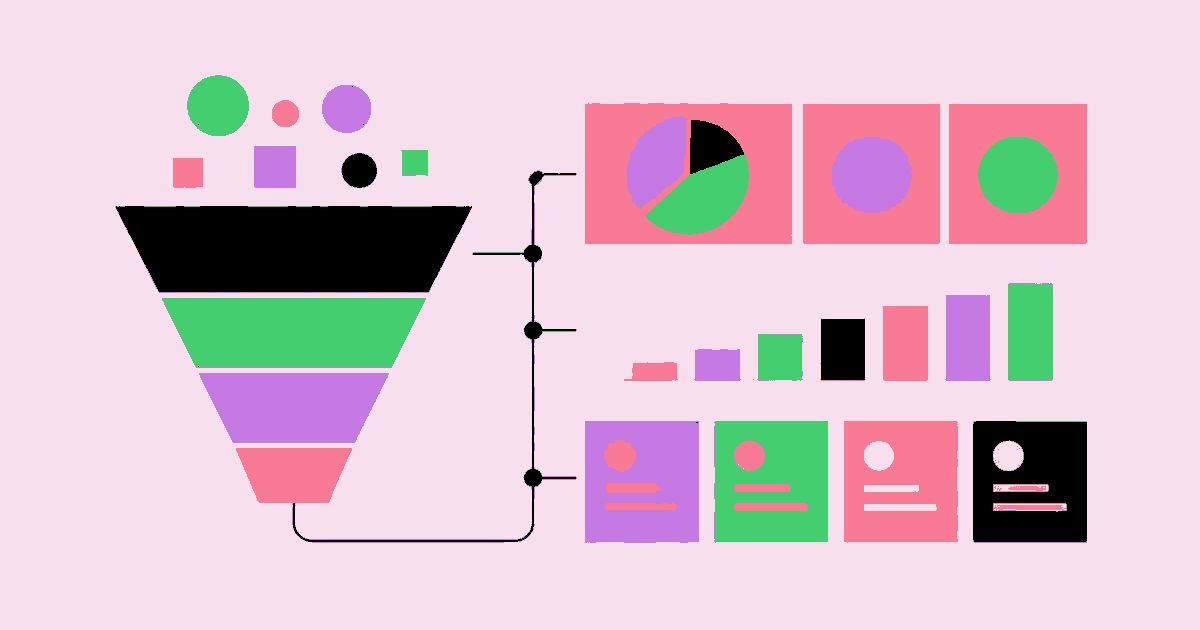
A conversion funnel is the journey that a visitor takes from first discovering your online store to completing a purchase, and ideally, returning again. It is called a funnel because at the top, a large number of people are simply aware of your brand, while at the bottom, only a smaller percentage actually become paying customers. Every online store has a funnel whether the owner is intentional about it or not, and understanding how it works is one of the most important skills in e-commerce. When you map your funnel, identify where customers drop off, and systematically improve each stage, you can dramatically increase revenue without necessarily increasing traffic. In this guide, we explore what a conversion funnel is, why it matters, and exactly how to optimize it.
How WebPeak Helps Optimize Every Stage of the Funnel
Optimizing a conversion funnel requires expertise across multiple disciplines, from analytics and design to marketing and copywriting. WebPeak is a global digital agency that helps e-commerce brands diagnose funnel leaks and implement targeted improvements through data-driven AI powered marketing automation. Their team also writes high-converting website copywriting that speaks directly to customer pain points at every stage of the journey. By aligning automation, design, and content, WebPeak helps brands move more visitors from awareness to purchase and beyond into long-term loyalty.
The Stages of an E-Commerce Conversion Funnel
A typical e-commerce funnel includes four main stages. Awareness is the top of the funnel, where potential customers first hear about your brand through ads, social media, SEO, or word of mouth. Consideration is the middle, where visitors browse your store, read reviews, compare options, and engage with content. Conversion is the moment they add a product to the cart and complete checkout. Retention is the post-purchase stage, where the focus shifts to delivering an excellent experience, encouraging repeat purchases, and turning customers into advocates. Each stage requires different content, messaging, and strategy.
How to Identify Drop-Off Points in Your Funnel
The first step in optimizing your funnel is understanding where customers leave. Use analytics tools like Google Analytics, Shopify reports, or heatmap software to track visitor behavior. Look for high-traffic pages with low conversion rates, abandoned carts, slow-loading product pages, or confusing checkout flows. Funnel visualization reports show exactly where percentages drop sharply between stages. Combine quantitative data with qualitative insights from customer surveys, support tickets, and session recordings. Together, these signals reveal the friction points that quietly cost you sales every day, and they show you where the biggest opportunities for improvement live.
Strategies to Optimize Each Funnel Stage
Optimization starts with focused experiments at each stage. At the awareness level, improve ad targeting, SEO content, and social media engagement to attract higher-quality traffic. In consideration, strengthen product pages with better photography, detailed descriptions, reviews, and recommendation engines. At conversion, simplify the checkout process, offer guest checkout, add multiple payment options, and reduce unexpected costs. For retention, invest in email marketing, loyalty programs, post-purchase content, and personalized recommendations. Small percentage gains at each stage compound rapidly; doubling conversion at three stages can quadruple total revenue without acquiring a single new visitor.
Measuring and Iterating for Long-Term Growth
Funnel optimization is not a one-time project but an ongoing process. Track key metrics like cost per acquisition, conversion rate, average order value, repeat purchase rate, and customer lifetime value. Run A/B tests on headlines, images, button colors, pricing, and offers, and always change one variable at a time to isolate results. Document what works and what does not so your team builds institutional knowledge over time. Revisit the funnel quarterly, because customer expectations, platforms, and competitive pressures change. The brands that grow fastest are the ones that treat funnel optimization as a permanent discipline, not a temporary campaign.
Frequently Asked Questions
What is a good conversion rate for an online store?
Average e-commerce conversion rates range between two and four percent, but well-optimized stores can reach five to ten percent or higher. The right benchmark depends on your industry, product type, traffic source, and price point.
What is the biggest reason customers abandon their carts?
Unexpected shipping costs and complicated checkout flows are the top reasons. Customers also abandon carts because of forced account creation, slow page speeds, limited payment options, and unclear return policies that create last-minute doubts.
How can I improve my checkout experience?
Simplify forms, allow guest checkout, display total costs early, offer popular payment methods, and add clear trust signals like security badges. A streamlined, transparent checkout consistently delivers the highest impact on conversion improvements.
How important is retention compared to acquisition?
Retention is usually far more profitable than acquisition because returning customers cost less to convert and spend more per order. A small lift in retention rates can drastically increase long-term revenue and overall profitability.
How often should I review and update my funnel?
At a minimum, review your funnel every quarter, with deeper audits twice a year. Continuous monitoring of analytics dashboards lets you catch sudden drops early and respond before they significantly affect revenue.
Conclusion
A well-optimized conversion funnel is one of the most valuable assets an online store can build. It turns traffic into revenue, revenue into profit, and one-time buyers into loyal customers. By understanding the four stages of awareness, consideration, conversion, and retention, identifying friction points, and improving each stage systematically, you create a sustainable engine for growth. Whether you are just launching or scaling an established brand, treat your funnel as a living system that deserves constant attention. The brands that win in e-commerce are not the ones with the most visitors but the ones that convert and retain them best.