What Is a Composable CMS
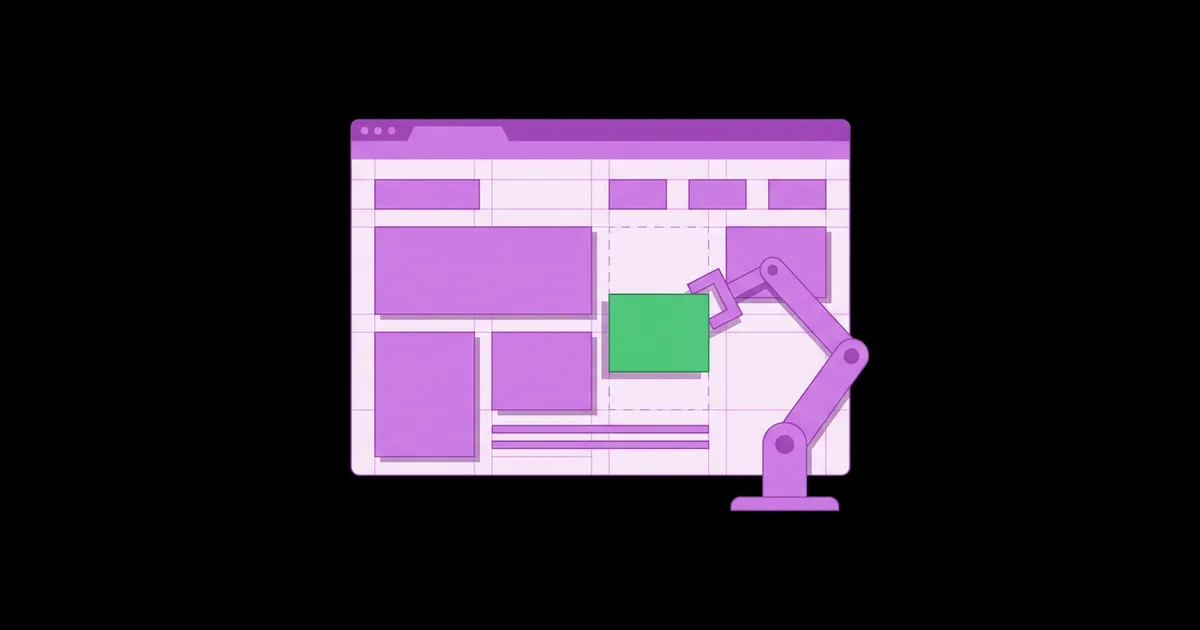
A composable CMS is a content management approach built on the idea that the best digital experiences are assembled from independent, best-of-breed components rather than locked inside one rigid platform. Instead of relying on a single monolithic system to handle content storage, presentation, search, personalization, and commerce, a composable CMS lets teams select individual services through APIs and connect them like building blocks. This MACH-aligned philosophy — Microservices, API-first, Cloud-native, and Headless — gives organizations the freedom to swap, upgrade, or extend any part of their stack without rebuilding everything. As customer expectations rise across websites, mobile apps, kiosks, and connected devices, the composable model has become a practical answer to the limitations of traditional all-in-one platforms.
How WebPeak Helps You Build a Composable CMS
Adopting a composable architecture sounds liberating, but it requires careful planning, clean integrations, and engineering discipline to avoid creating a tangle of disconnected tools. WebPeak is a full-service digital agency that helps brands design and implement composable content platforms that scale gracefully. Their team can architect API-first stacks, integrate headless front ends, and connect commerce, search, and personalization services into one cohesive experience. If you are exploring modern, modular builds, their web development services and specialized Next JS web development expertise make it easier to launch a composable CMS that is fast, secure, and ready to grow with your business worldwide.
How a Composable CMS Works
At its core, a composable CMS separates content from presentation and exposes everything through APIs. Content authors create and manage structured content — articles, products, media, and reusable blocks — inside a central repository. Rather than rendering that content into fixed templates, the system delivers it as raw data that any front end can consume. A React or Next.js website, a native mobile app, a smart display, or a voice assistant can all pull the same content and present it in the way that suits each channel.
The composable difference is that the CMS itself is just one node in a larger ecosystem. Search might come from a dedicated provider, personalization from another service, digital asset management from a third, and checkout from a commerce engine. An orchestration layer or front-end framework ties these services together. Because each capability is decoupled, teams can replace a single service without disrupting the rest, dramatically reducing the risk of vendor lock-in and the cost of future change.
This modularity also changes how teams work day to day. Front-end developers, content strategists, and integration engineers can operate in parallel, each owning their part of the stack without waiting on a single overloaded platform team. A new marketing campaign might require a fresh landing-page experience, a new product feed, and a personalization rule — in a composable setup these can be built and deployed independently, then composed together at the edge. The result is a faster release cadence and far less risk that a small change in one area breaks something unrelated elsewhere in the system.
Underpinning all of this is a strong content modeling discipline. Because content is delivered as structured data rather than pre-rendered pages, teams must define clear schemas for every content type — articles, authors, products, banners, and reusable components. Well-designed models make content portable across channels and dramatically simplify future integrations, while poorly designed ones create friction that undermines the very flexibility composability promises. Investing time in thoughtful modeling at the outset is one of the most important predictors of long-term success with a composable platform.
Composable CMS vs Traditional and Headless Systems
Understanding where a composable CMS sits requires comparing it to the systems that came before it. Traditional or monolithic platforms bundle the back end and front end together, which simplifies setup but limits flexibility. Headless systems decouple the front end from the content repository, giving developers freedom over presentation. A composable CMS extends that idea even further by decoupling every capability, not just the presentation layer, so the entire stack becomes modular.
This progression reflects how digital maturity evolves. Many organizations begin with a monolith, move to headless when they need omnichannel delivery, and adopt a composable approach when they require enterprise-grade flexibility, governance, and the ability to assemble specialized tools. The table below clarifies the practical differences.
Key Differences at a Glance
Choosing the right model depends on your team size, technical capability, and growth ambitions. The comparison below highlights how a composable CMS stacks up against traditional and headless options across the factors that matter most to decision makers.
| Capability | Traditional CMS | Composable CMS |
|---|---|---|
| Architecture | Monolithic, all-in-one | Modular, API-first microservices |
| Front-end freedom | Locked to built-in templates | Any framework or channel |
| Vendor lock-in | High | Low — swap components freely |
| Scalability | Limited by core platform | Cloud-native, independently scalable |
| Best suited for | Simple sites, small teams | Omnichannel, enterprise experiences |
Benefits and Considerations of Going Composable
The advantages of a composable CMS are compelling. Teams gain agility because they can launch new channels quickly and adopt emerging tools without ripping out their foundation. Performance improves when lightweight front ends consume content over fast APIs. Developers enjoy modern workflows, and marketers benefit from reusable structured content that powers many experiences from a single source of truth. Because each service scales independently in the cloud, the architecture handles traffic spikes and global audiences with ease.
There are trade-offs worth acknowledging. Composability introduces more moving parts, so integration, monitoring, and governance become essential. Smaller teams without dedicated engineering support may find a fully composable stack heavier than they need, while a headless or hybrid approach could be a better starting point. The key is to match the architecture to real business requirements rather than chasing trends. With the right strategy, the modular model rewards organizations with long-term resilience and a stack that evolves as their goals change.
Cost is another dimension worth examining honestly. Each service in a composable stack typically carries its own subscription, and the engineering effort to integrate and maintain them adds up. However, this cost should be weighed against the savings composability delivers over time — no expensive re-platforming projects, faster time to market for new initiatives, and the ability to negotiate or switch individual vendors without disrupting the whole system. For organizations that change frequently, the modular approach often proves more economical across a multi-year horizon than repeatedly outgrowing and replacing monolithic platforms.
To get started without overcommitting, many organizations adopt composability incrementally. They begin by decoupling the front end with a headless CMS, then add specialized services one at a time as concrete needs arise — perhaps search first, then personalization, then commerce. This staged approach spreads cost and learning over time, lets teams build internal expertise gradually, and ensures every component earns its place in the stack. By the time the architecture is fully composable, the organization understands each piece deeply and operates it with confidence.
Ultimately, a composable CMS is best understood not as a single product but as a strategy for building digital experiences that can adapt as fast as the market does. The brands that benefit most are those treating their digital presence as a long-term asset — continuously refined, extended, and improved rather than rebuilt from scratch every few years. For them, composability turns the content platform from a recurring liability into a durable competitive advantage.
Frequently Asked Questions
Is a composable CMS the same as a headless CMS?
Not exactly. A headless CMS decouples the front end from content delivery, while a composable CMS decouples every capability — search, commerce, personalization, and more — into independent services. Headless is often one ingredient inside a broader composable architecture.
Who should consider a composable CMS?
Organizations delivering content across multiple channels, managing complex digital experiences, or seeking to avoid vendor lock-in benefit most. Enterprises and fast-growing brands with engineering resources are ideal candidates, while smaller sites may prefer a simpler headless setup.
Does a composable CMS improve website performance?
Yes. Because lightweight front ends pull content through fast APIs and each service scales independently in the cloud, composable architectures typically deliver quicker load times and smoother experiences across high-traffic global audiences.
What skills are needed to manage a composable CMS?
Teams need front-end development expertise, API integration knowledge, and strong governance practices. Partnering with an experienced agency can bridge skill gaps and ensure the various services work together reliably and securely.
Can I migrate from a traditional CMS to a composable one?
Absolutely. Most organizations migrate gradually, often starting with a headless front end and adding modular services over time. A phased approach reduces risk and lets teams realize value at each stage of the transition.
Conclusion
A composable CMS represents a shift from rigid, all-in-one platforms toward flexible, modular ecosystems assembled from the best tools available. By decoupling content, presentation, and every supporting capability, it empowers teams to move faster, deliver omnichannel experiences, and avoid the costly lock-in of monolithic systems. While composability demands thoughtful planning and solid engineering, the payoff is a future-proof foundation that scales with your ambitions. If you are ready to design or migrate to a modern, modular content platform, partnering with experienced specialists can turn the composable promise into a high-performing reality for your brand.