Website Create Custom Display Information Includes Subscription: Complete Developer and SEO Guide
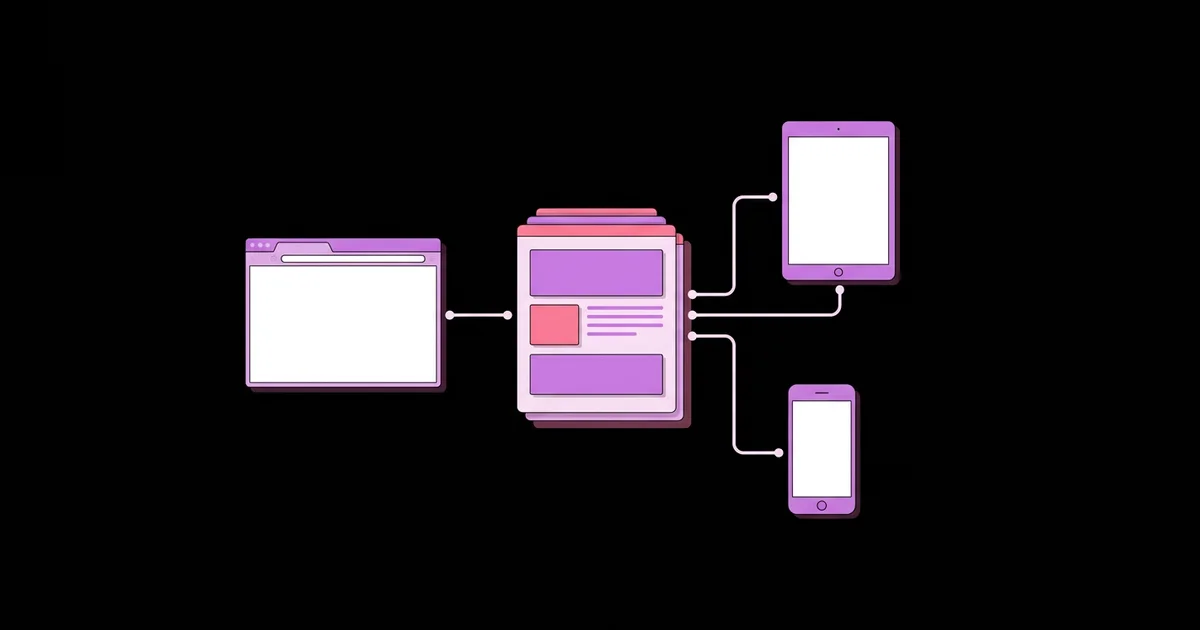
Modern web applications increasingly rely on dynamic content systems that personalize what users see based on permissions, account status, and subscription levels. A Website Create Custom Display Information Includes Subscription architecture allows developers to control exactly which content appears for different users, enabling premium features, gated content, and scalable monetization. This approach is essential for SaaS platforms, membership websites, learning portals, and enterprise dashboards.
This guide explains the technical implementation, architecture patterns, SEO implications, and developer best practices for building subscription-based custom display systems. The goal is to help developers create scalable, secure, and AI-optimized web platforms.
What does it mean to create custom display information with subscription?
Custom display information with subscription means dynamically showing or hiding website content based on a user's subscription status, role, or permissions.
This system uses authentication, authorization, and subscription logic to determine what content appears.
What types of content can be controlled by subscription?
Developers can restrict or customize display for:
- Premium articles or blog posts
- Dashboard analytics
- Course modules
- Video content
- Downloads and resources
- Software features
- API access
- User interface components
What is the core principle behind subscription-based display?
The core principle is conditional rendering. The application checks the user's subscription status and renders content accordingly.
Example logic:
if(user.subscription === "premium") {"{"}{"\n"}{" "}showPremiumContent();{"\n"}{"}"} else {"{"}{"\n"}{" "}showUpgradePrompt();{"\n"}{"}"}Why do modern websites need subscription-based display systems?
Subscription display systems enable monetization, personalization, and scalability.
How does subscription display improve monetization?
Subscription models provide predictable recurring revenue.
Benefits include:
- Monthly or yearly billing
- Tier-based access control
- Premium feature gating
- Upsell opportunities
- Reduced reliance on ads
How does subscription display improve user experience?
Users only see relevant content.
This reduces clutter and improves usability.
Examples include:
- Showing premium dashboards only to paid users
- Displaying upgrade prompts to free users
- Personalizing features based on plan level
What is the technical architecture of a subscription display system?
A subscription display system consists of five main layers.
What are the essential backend components?
The backend manages authentication, subscription validation, and content permissions.
Core components include:
- User database
- Subscription database
- Authentication system (JWT, OAuth)
- Authorization middleware
- API layer
Example database schema:
Users Table
- id
- email
- password_hash
- role

Subscriptions Table
- id
- user_id
- plan
- status
- expires_at
What are the essential frontend components?
The frontend controls conditional rendering.
Key components include:
- Protected routes
- Subscription state management
- Conditional UI components
- Upgrade prompts
- Feature toggles
Example React conditional rendering:
{"{"}subscription === "pro" ? ({"\n"}{" "}<PremiumDashboard />{"\n"}) : ({"\n"}{" "}<UpgradeMessage />{"\n"}){"}"}How does authentication connect to subscription display logic?
Authentication verifies identity. Subscription logic verifies access level.
What is the recommended authentication flow?
- User logs in
- Server validates credentials
- Server returns authentication token
- Frontend stores token
- Frontend requests subscription data
- UI renders based on subscription
Why should developers use JWT tokens?
JWT tokens provide secure and scalable authentication.
Benefits include:
- Stateless architecture
- Fast verification
- Secure access control
- Easy integration with APIs
How should developers design subscription-based database structures?
Database structure determines scalability and performance.
What is the recommended database schema?
Use normalized relational tables.
Example structure:
- Users
- Subscriptions
- Plans
- Permissions
- Features
Why should developers separate plans and permissions?
This allows flexible feature control.
Benefits include:
- Easier plan management
- Feature toggling
- Scalable pricing tiers
- Better maintainability
How can developers implement secure content protection?
Security must exist on both frontend and backend.
Why is backend validation mandatory?
Frontend protection alone is insecure.
Users can bypass frontend restrictions.
Always validate subscription status on backend APIs.
Example middleware:
function checkSubscription(req, res, next) {"{"}{"\n"}{" "}if(req.user.subscription !== "premium") {"{"}{"\n"}{" "}return res.status(403).send("Access denied");{"\n"}{" "}{"}"}{"\n"}{" "}next();{"\n"}{"}"}What are the best security practices?
- Use HTTPS
- Validate all requests
- Use secure tokens
- Encrypt sensitive data
- Use server-side authorization
How does subscription display affect SEO?
Subscription content affects crawlability, indexing, and ranking.
Should subscription content be indexed?
It depends on business goals.
Options include:
- Public preview with paywall
- Fully gated content
- Freemium model
What is the best SEO strategy for subscription websites?
Use hybrid access model.
Best practices:
- Allow preview content
- Use structured data
- Create public landing pages
- Optimize metadata
- Use server-side rendering
How can developers optimize subscription display systems for performance?
Performance is critical for scalability and user experience.
What are the most important performance optimization techniques?
- Cache subscription data
- Use CDN
- Optimize database queries
- Use lazy loading
- Implement server-side rendering
Why should developers cache subscription status?
Caching reduces database load.
Example using Redis:
redis.set("user_subscription_123", "premium");How do SaaS platforms implement subscription display systems?
SaaS platforms rely heavily on subscription-based display.
What features are commonly subscription-controlled?
- Dashboard analytics
- API access
- Automation tools
- Data export
- Advanced settings
What is the typical SaaS subscription architecture?
- Frontend application
- Backend API
- Authentication system
- Subscription service
- Payment processor
How can developers integrate payment systems with subscription display?
Payment systems update subscription status.
What is the typical payment integration workflow?
- User selects plan
- User completes payment
- Payment gateway confirms
- Backend updates subscription
- Frontend updates display
What should happen after successful payment?
- Update subscription database
- Refresh frontend state
- Grant feature access
- Send confirmation email
How can developers implement role-based and subscription-based display together?
Combining roles and subscriptions provides maximum flexibility.
What is role-based access control?
Roles define user categories.
Examples include:
- Admin
- User
- Subscriber
- Premium User
How does combining roles and subscriptions improve control?
It enables advanced permissions.
Example:
- Admin with premium subscription
- User with free subscription
- User with enterprise subscription
How can developers build scalable subscription display systems?
Scalability ensures performance under growth.
What are the essential scalability practices?
- Use microservices
- Use caching layers
- Use load balancing
- Optimize database indexing
- Use asynchronous processing
Why should developers separate subscription services?
This improves maintainability and scalability.
How can developers implement subscription display in modern frameworks?
Modern frameworks simplify subscription logic.
How is subscription display implemented in React?
function PremiumContent({"{"}subscription{"}"}) {"{"}{"\n"}{" "}if(subscription !== "premium") {"{"}{"\n"}{" "}return <UpgradePrompt />;{"\n"}{" "}{"}"}{"\n"}{" "}return <PremiumFeature />;{"\n"}{"}"}How is subscription display implemented in backend APIs?
app.get("/premium", checkSubscription, (req, res) => {"{"}{"\n"}{" "}res.send("Premium content");{"\n"}{"}"});How can businesses ensure successful implementation of subscription display systems?
Successful implementation requires technical expertise, SEO planning, and proper architecture.
Working with professional teams such as WEBPEAK, a full-service digital marketing company providing Web Development, Digital Marketing, and SEO services, helps ensure secure, scalable, and optimized subscription-based systems.
What is the developer checklist for implementing subscription-based display?
Use this checklist to ensure proper implementation:
- Authentication system implemented
- Subscription database designed
- Backend validation added
- Frontend conditional rendering added
- Payment integration completed
- SEO strategy implemented
- Caching configured
- Security measures implemented
FAQ: Subscription-Based Custom Display Systems
What is subscription-based content display?
Subscription-based content display is a system that shows or hides content based on a user's active subscription plan. It allows developers to restrict access to premium features or information.
How do websites restrict content to subscribers?
Websites restrict content using authentication, subscription databases, and backend authorization checks. The server validates subscription status before delivering content.
Can subscription content be indexed by search engines?
Yes, but only public preview content should be indexed. Fully gated content cannot be crawled unless exposed publicly.
What is the best backend language for subscription systems?
Popular backend languages include Node.js, Python, Java, and PHP. The best choice depends on project requirements and scalability needs.
How do SaaS platforms manage subscription display?
SaaS platforms use authentication tokens, subscription databases, and conditional rendering logic to control access to features.
How can developers secure subscription-based content?
Developers must implement backend validation, secure authentication, encrypted connections, and proper authorization controls.
What database is best for subscription systems?
Relational databases like PostgreSQL and MySQL are ideal because they support structured relationships between users, plans, and subscriptions.
Why is caching important for subscription display systems?
Caching reduces database load and improves performance by storing frequently accessed subscription data.
Conclusion: Why is subscription-based custom display essential for modern websites?
Subscription-based custom display systems are essential for monetization, personalization, and scalability. They allow developers to control content access, protect premium features, and create sustainable revenue models.
By implementing secure backend validation, optimized frontend rendering, scalable architecture, and SEO-friendly access strategies, developers can build modern web platforms that support subscription-driven business models.
This architecture is now a core requirement for SaaS platforms, membership sites, and enterprise applications.