Virtual Event Video Production: Seamless Virtual Event Video Production Services
Virtual events have evolved from emergency replacements for in-person gatherings into polished, intentional experiences that brands run by choice. Done well, a virtual event reaches a global audience, generates qualified pipeline, and produces months of repurposable content. Done poorly, it feels like an awkward webinar with broken audio and awkward transitions. The difference almost always comes down to production quality. Seamless virtual event video production blends broadcast-grade visuals, smooth technology, engaging hosts, and audience interaction to create something that feels live, intentional, and worth watching. This guide explains how to plan and execute one.
How WebPeak Powers Polished Virtual Events End to End
Running a virtual event involves dozens of moving pieces: streaming, design, scripts, talent coaching, social promotion, registration pages, and post-event content. WebPeak is a worldwide digital agency that helps brands plan and execute polished virtual events from concept to follow-up. Their team brings broadcast quality and marketing strategy together so every event drives measurable business outcomes. Build a high-converting registration experience with their website design services, or amplify your event with strategic email marketing services that nurture attendees before and after the broadcast.
Plan the Event Like a Broadcast, Not a Webinar
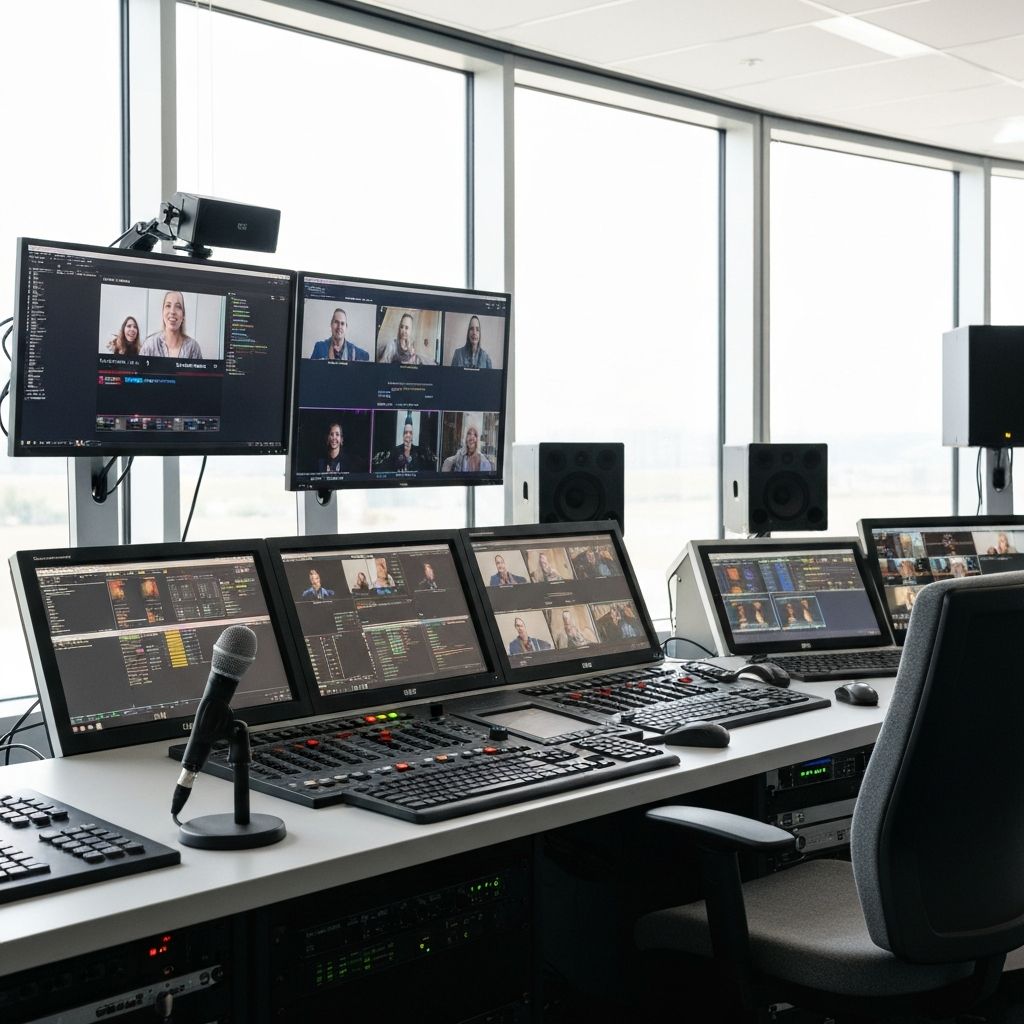
The biggest mindset shift in virtual event production is treating the event like a live television broadcast rather than a glorified video call. That means a clear run of show, scripted transitions, rehearsed hosts, branded graphics, and a producer in the control room making sure every cue lands. Map the entire timeline minute by minute, including pre-show countdowns, sponsor segments, breakout sessions, and post-show calls to action. Decide whether the event will be fully live, simulive, or pre-recorded with live Q&A. Each option has trade-offs: live feels urgent but risky, simulive blends polish with engagement, and pre-recorded reduces stress but sacrifices spontaneity. The right choice depends on your audience, content, and budget.
Production Setup, Tools, and Visual Quality
Visual quality is what separates an amateur webinar from a premium broadcast. Equip every speaker with a quality camera, a clean background, professional lighting, and a wired microphone or headset. Avoid relying on built-in laptop cameras and microphones for headline talent. Use a dedicated streaming platform that supports multi-camera switching, branded overlays, lower thirds, and seamless transitions between segments. Custom graphics including session titles, speaker names, and animated transitions reinforce the brand and signal that the event was carefully produced. A producer or director handles the switcher, monitors audio, and triggers visual elements while hosts focus on content. Always run a full technical rehearsal at least one day before the event with every speaker on their actual setup.
Audience Engagement and Interactivity
Attention is the scarcest resource in a virtual event. Audiences are one tab away from being lost forever, so engagement must be designed in from the start. Use live polls, chat moderation, structured Q&A, and breakout discussions to create participation rather than passive watching. Keep individual segments under twenty minutes when possible, and break long content with interviews, demos, or audience interaction. Gamification, such as points for participation or follow-up challenges, can boost retention dramatically. A skilled host who reads the chat in real time and references the audience by name makes the event feel personal even at scale. Plan for clear, frequent calls to action: download the playbook, book a demo, join the next session, or claim an exclusive offer.
Post-Event Content and ROI Measurement
The event itself is only the midpoint of your investment. The recording becomes a content library you can repurpose for months. Cut the keynote into a YouTube video, the panel into a podcast episode, and individual quotes into short-form social clips and email content. Send a recap email within twenty-four hours including the on-demand link, key takeaways, and the next call to action. Score every registrant and attendee in your CRM based on engagement signals such as session attendance, chat activity, and content downloads, then route the warmest leads to sales. Track ROI through pipeline generated, content reuse, and brand visibility rather than raw registration numbers. A well-produced virtual event often outperforms paid campaigns because it generates trust, reach, and content all at once.
Frequently Asked Questions
How long should a virtual event be?
Most successful virtual events run between sixty and ninety minutes for single-track sessions or three to four hours for multi-track summits. Anything longer should be split across multiple days to protect audience attention and energy.
Should we go live or pre-record sessions?
A simulive approach often works best: pre-record polished sessions, then have speakers respond to live chat and Q&A. This blends production quality with real-time engagement and reduces technical risk.
What technology should we use for virtual events?
Choose a platform built specifically for branded broadcasts rather than a generic video call tool. Look for multi-camera switching, custom graphics, breakout rooms, analytics, and reliable streaming infrastructure.
How do we drive registrations and attendance?
Promote through email sequences, partner channels, social ads, and your website with a high-converting registration page. Send multiple reminders before the event and provide clear value statements about why attending matters.
How do we measure ROI on a virtual event?
Track pipeline generated, qualified meetings booked, content downloads, and post-event CRM engagement. Combine business metrics with engagement data like watch time and chat activity to refine future events.
Conclusion
Seamless virtual event video production is a combination of strategy, broadcast craft, and audience-first thinking. Treat the event like a broadcast, invest in visual and audio quality, design real interactivity, and squeeze every drop of value out of the recording. With the right preparation and partners, virtual events become one of the most reliable channels for generating pipeline, building brand authority, and creating a content library that keeps working long after the live broadcast ends.