Utah Artificial Intelligence Policy Act: Compliance Guide
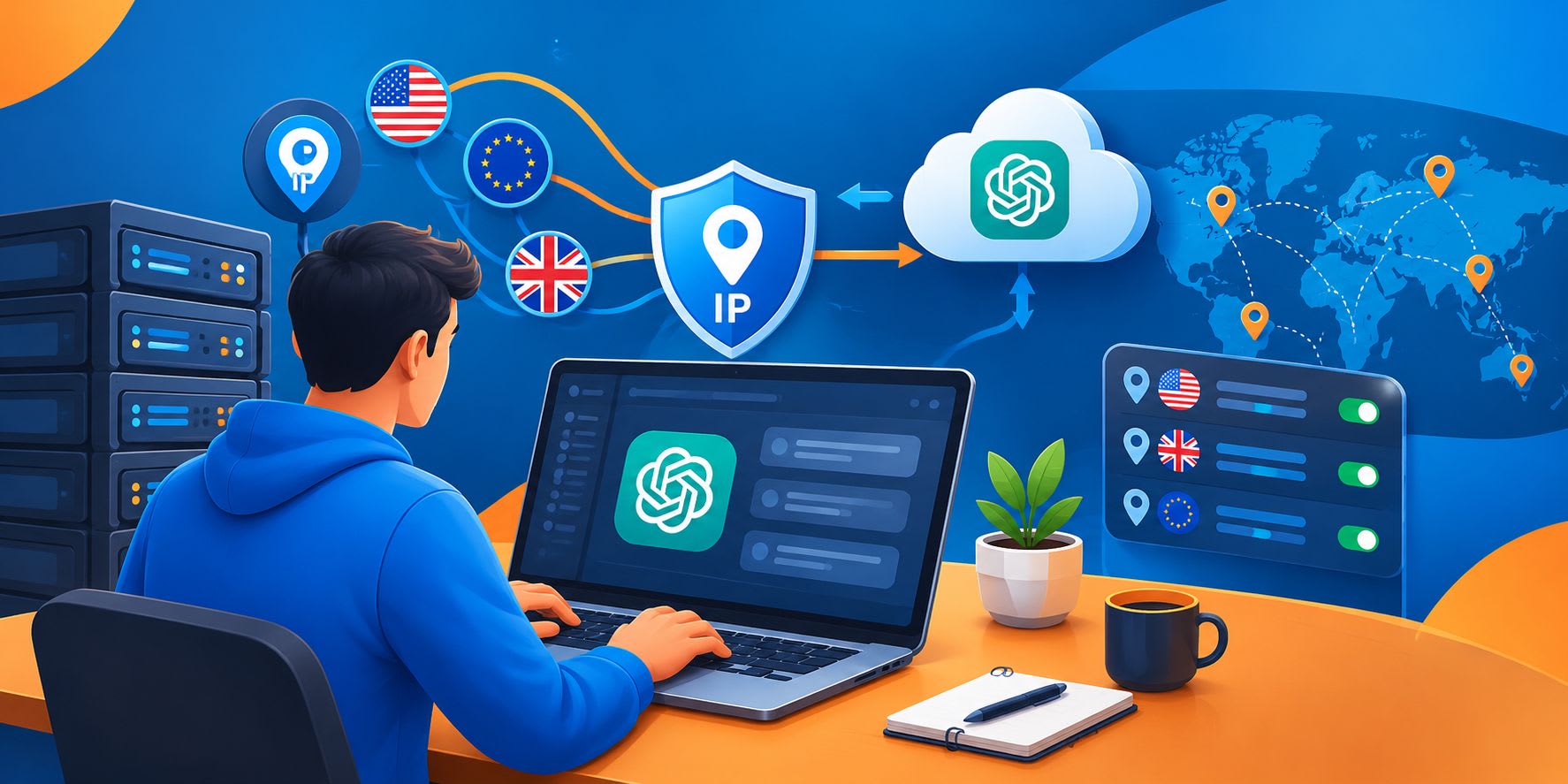
State oversight of automated software shifted from abstract legislative debate into active enforcement when Utah enacted Senate Bill 149. The utah artificial intelligence policy act creates mandatory disclosure rules for businesses deploying generative tools to interact with consumers. Operating entities must now identify automated communications or face civil penalties under state deceptive trade practice statutes.
Quick Answer: The Utah Artificial Intelligence Policy Act requires commercial entities to disclose generative software interactions upon consumer inquiry, or proactively before providing state-regulated professional advice. Managed by the Utah Division of Consumer Protection, non-compliance carries administrative fines up to 2,500 dollars per violation, climbing to 5,000 dollars for intentional non-disclosure.
How WebPeak Implements Scalable Compliance Frameworks
Configuring automated systems for regulatory transparency requires coordinated code and interface updates across consumer touchpoints. When engineering enterprise software pipelines, technical teams at WebPeak evaluate natural language engines through bespoke enterprise artificial intelligence services to isolate automated customer interactions. Their developers adjust conversational components via tailored front-end web development solutions, injecting responsive disclosure labels directly into chat interfaces. To help corporate leaders comprehend statutory thresholds, their media division builds explanatory reference charts using focused digital infographic design workflows. Every modified deployment pipeline receives end-to-end audit validation performed by WebPeak's compliance-minded builders.
What Does the Law Define and Who Must Comply?
Utah Senate Bill 149 establishes clear boundaries separating basic algorithms from regulated autonomous platforms. The law defines artificial intelligence as an engineered system that generates outputs like content, predictions, or recommendations for human-specified goals. Generative artificial intelligence specifically denotes models trained on data to synthesize novel text, audio, image, or video outputs emulating human creation. Traditional decision trees, relational databases, static search indexes, and fixed robotic workflows lacking generative capabilities remain outside statutory disclosure mandates.
The compliance mandate governs consumer-facing commercial communication rather than internal data analysis. Any commercial entity using generative systems to converse with Utah consumers must disclose automated origins. If a synthetic bot handles support tickets or commercial exchanges, the business cannot disguise the interaction. Selecting suitable model architecture influences how runtime telemetry serves disclaimers, linking directly to evaluating what AI Are You in practical terms during technical planning. Licensed professionals like medical providers and accountants face heightened proactive disclosure obligations.
The statute also establishes the Artificial Intelligence Learning Laboratory Program alongside baseline consumer protection mandates. Overseen by the Office of Artificial Intelligence Policy within the Utah Department of Commerce, this regulatory sandbox allows invited companies to deploy experimental models under statutory mitigation agreements. Outside this sandbox, non-compliance constitutes an unlawful deceptive trade practice enforced by the Utah Division of Consumer Protection, exposing businesses to administrative and civil liabilities.
Core Technical Steps for Enterprise Engineering Compliance
Engineering teams must update deployment pipelines to meet statutory disclosure triggers across consumer touchpoints. Technical teams should execute these concrete operational steps to ensure full compliance:
- Inject persistent system prompts into conversational models so that any user identity query instantly triggers a clear confirmation of automated origin.
- Place visual disclaimer banners inside interactive chat interfaces, because upfront notices remove ambiguity before users share personal information.
- Record immutable interaction logs of prompt-response pairs, providing verifiable evidence during regulatory compliance reviews by state authorities.
- Establish human approval barriers for regulated professional services, preventing autonomous models from issuing unauthorized medical, legal, or financial advice.
- Audit API vendor terms and data flags, ensuring external model providers pass metadata identifying synthetic content generation across multi-tier pipelines.
- Configure an automated handoff protocol that routes users to human representatives whenever a bot encounters an identity dispute or unhandled query.
Regulatory Disclosure Criteria Across Commercial Use Cases
Operational compliance obligations vary depending on service context and professional licensing criteria. The following table details statutory disclosure requirements across primary commercial deployments.
| Operational Context | Statutory Disclosure Trigger | Mandatory Delivery Timing | Primary Enforcement Agency |
|---|---|---|---|
| Standard Customer Support Bot | Upon verbal or written consumer request | Immediately following consumer inquiry | Utah Division of Consumer Protection |
| Regulated Professional Service | Mandatory statutory obligation upon contact | Conspicuously before communication begins | Utah Division of Professional Licensing |
| State AI Sandbox Experiment | Defined by sandbox participant contract | Per negotiated supervisory agreement terms | Office of Artificial Intelligence Policy |
| Internal Enterprise Analytics | Exempt from external disclosure rules | No public notification required | Internal Corporate Governance |
Practitioner Analysis: Institutional Enforcement Realities
Regulators focus enforcement efforts on active deception rather than background algorithmic processing. When an enterprise uses machine learning for inventory prediction or content ranking, the Utah statute imposes no external disclosure duties. Enforcement targets synthetic personas designed to deceive consumers into assuming a human is managing their issue. This framework aligns with established unfair trade practice enforcement while codifying direct financial liabilities for synthetic impersonation.
Deploying businesses cannot deflect liability toward third-party foundation model providers. While companies like OpenAI supply inference endpoints, the enterprise hosting the consumer interface remains legally responsible for user-facing transparency. Engineering leads studying how public platforms structure automated transparency notices often analyze how world Artificial Intelligence Cannes Festival 2025 Website actually works to benchmark real-world interface patterns. If an integrated bot falsely claims human identity, the operating business faces direct deceptive practice penalties.
Joining the state Artificial Intelligence Learning Laboratory involves significant operational trade-offs for commercial participants. The program grants approved companies temporary regulatory mitigation agreements, shielding them from certain statutory penalties during experimental tests. In exchange, participants must grant regulators direct access to training data pipelines, risk logs, and system metrics. For standard retail businesses, deploying front-end disclaimers proves far simpler than opening internal systems to state oversight.
Key Takeaways
- Utah Senate Bill 149 classifies undisclosed generative machine communication as an unlawful deceptive trade practice.
- Standard consumer chatbots must disclose automated identity upon inquiry, while licensed professional services require proactive disclaimers.
- Non-compliance incurs administrative fines up to 2,500 dollars per occurrence and civil judicial penalties reaching 5,000 dollars.
- The Office of Artificial Intelligence Policy administers a regulatory sandbox offering safe-harbor mitigation agreements.
- Engineering teams must unite system prompt guardrails with persistent user interface banners to maintain verifiable compliance.
Frequently Asked Questions
Does the Utah AI Act apply to internal employee workflows?
The Utah AI Act applies exclusively to consumer interactions and does not govern internal employee software. Back-office data analysis, internal coding assistants, and operational predictive tools are exempt from disclosure mandates, provided these machine learning systems do not communicate directly with retail consumers seeking commercial goods or professional advisory services.
Who qualifies as a regulated professional under this legislation?
A regulated professional includes any individual or commercial entity holding a license issued by the Utah Department of Commerce. This spans medical practitioners, certified public accountants, clinical therapists, real estate brokers, and legal counselors, all of whom must conspicuously disclose automated tool usage before delivering professional advice to clients.
Are traditional rule-based chatbots subject to disclosure requirements?
Traditional rule-based chatbots utilizing predetermined decision trees are exempt from statutory disclosure mandates. The legislation specifically regulates generative models that synthesize novel text, audio, images, or video. However, integrating generative machine learning into a customer support chatbot immediately triggers disclosure requirements whenever a consumer asks about bot identity.
What is the purpose of the Artificial Intelligence Learning Laboratory?
The Artificial Intelligence Learning Laboratory provides a state-managed regulatory sandbox where approved businesses test innovative systems under regulatory mitigation agreements. Participating organizations receive temporary relief from specific statutory penalties in exchange for granting state regulators comprehensive access to operational telemetry, training datasets, and algorithmic risk assessments.
Can businesses assign human names to customer support bots?
Businesses may assign humanized names to customer service bots provided the digital interface clearly informs users of the automated nature of the software. Designing synthetic personas to deliberately deceive consumers regarding human presence violates state consumer protection laws, subjecting the operating company to administrative and civil enforcement actions.
Conclusion
Compliance with the Utah Artificial Intelligence Policy Act requires interface clarity rather than complete algorithmic re-engineering. Deploying prominent visual banners and configuring prompt-level identity confirmations protects enterprises from costly statutory penalties while fostering consumer trust. As technical leaders audit digital communication channels, taking a closer look at nadia Artificial Intelligence provides useful practical perspective on balancing advanced conversational capabilities with transparent user communication.