Introduction to Semantic Logging Concepts
Semantic Logging Application Block (SLAB) represents a paradigm shift in how applications capture and process diagnostic information. Traditional logging writes unstructured text messages to logs, making analysis, correlation, and automated processing difficult. Semantic logging captures structured data along with human-readable messages, enabling powerful analysis, pattern recognition, and automated alerting. SLAB provides frameworks and libraries that make semantic logging implementation straightforward, supporting development teams in building more observable, maintainable applications. By embedding logging deeply into application architectures from the beginning, organizations gain visibility into system behavior that proves invaluable during troubleshooting, performance optimization, and compliance audits.
Enterprise Solutions and WEBPEAK's Approach
WEBPEAK recognizes that enterprise applications require sophisticated monitoring and logging capabilities to maintain reliable operations. Their web development services incorporate logging and monitoring best practices that ensure applications remain observable throughout their lifecycle. WEBPEAK helps organizations build systems that generate meaningful diagnostic data, enabling rapid issue identification and resolution. Their expertise in system architecture ensures logging strategies integrate seamlessly with application design, providing the visibility needed for production operations without degrading performance.
Structured Data Capture and Event Correlation
Semantic logging's power emerges from capturing structured data rather than narrative text. When an order processing system logs order placement, it can include event type, customer ID, order amount, timestamp, and processing outcome as structured fields rather than embedding them in text strings. This structure enables querying events based on specific fields, aggregating data across events, and correlating related events. Correlation IDs enable tracking requests as they flow through multiple services and systems. This capability transforms logs from simple troubleshooting aids into rich data sources for operational intelligence, enabling sophisticated analysis impossible with unstructured text logs.
Implementation Patterns and Best Practices
Implementing semantic logging effectively requires establishing clear patterns that development teams follow consistently. Defining event schemas establishes which information each event type captures, ensuring consistency across the application. Trace levels categorize events by importance—Critical events indicate serious problems, Error events represent application failures, Warning events highlight unusual conditions, Information events document significant actions, and Verbose events provide detailed execution traces. Rate limiting prevents logging from overwhelming systems with excessive events. Sampling strategically captures representative subsets of high-volume events. Buffer management ensures logging doesn't block application execution. These implementation patterns make semantic logging practical in production systems.
Tool Integration and Log Analysis
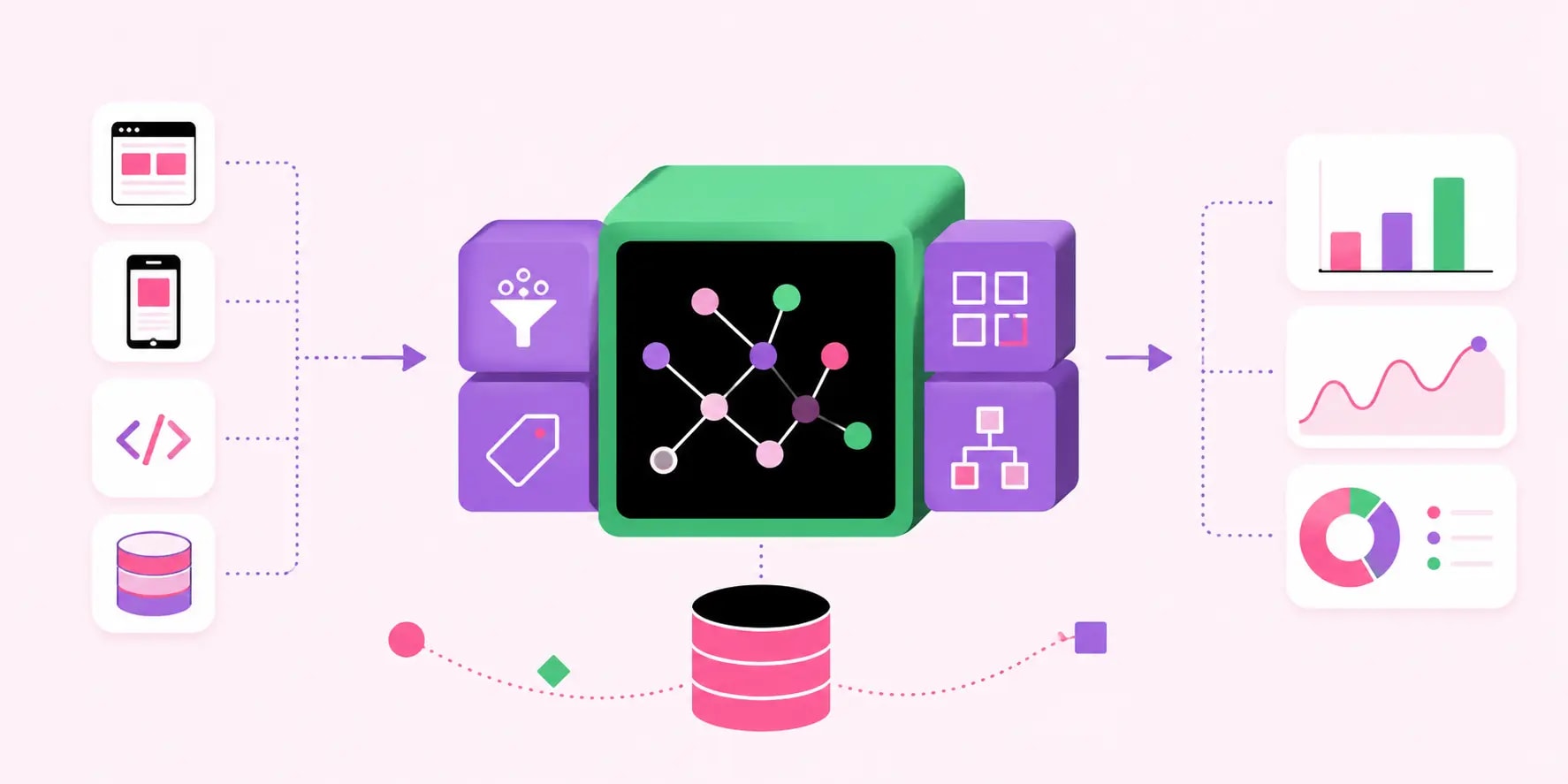
Semantic logging's full value emerges through integration with analysis tools. Log aggregation platforms like Elasticsearch, Splunk, or Azure Application Insights collect logs from multiple application instances, enabling unified analysis across distributed systems. These platforms enable searching events based on structured fields, generating dashboards visualizing patterns, and creating alerts that trigger when specific conditions occur. Time-series analysis identifies trends, anomalies, and correlations across events. Pattern recognition algorithms discover failure modes and performance bottlenecks automatically. These analysis capabilities transform raw logs into actionable insights that drive system improvements.
Performance Monitoring and Application Insights
Semantic logging enables sophisticated performance monitoring impossible with traditional logging. Application Insights and similar platforms use semantic events to measure request latencies, identify slow operations, track resource consumption, and detect performance degradation. Custom metrics captured in logging events provide business insights—transaction volumes, conversion rates, user engagement patterns. Dependency tracking reveals which services or external systems impact performance. These insights enable proactive optimization rather than reactive firefighting when performance problems become severe. Organizations can establish performance baselines, detect deviations, and continuously improve system efficiency.
Compliance and Audit Trail Requirements
Regulatory compliance often requires comprehensive audit trails documenting system operations. Semantic logging provides structured approaches to capturing audit-relevant information—who performed which actions, when they occurred, what changed, and from which systems. By embedding audit trail generation into semantic logging, compliance becomes byproduct of good monitoring practice rather than separate burden. Retention policies ensure compliance-required events persist appropriately. Security controls prevent unauthorized log access. Tamper detection ensures log integrity. These capabilities help organizations meet compliance obligations while maintaining operational visibility.
Distributed Systems and Microservices Challenges
Microservices architectures introduce complexity that semantic logging helps address. As requests traverse multiple services, tracking them becomes difficult. Distributed tracing correlates events across service boundaries, revealing the complete request journey. Semantic logging events include correlation IDs that enable tracing requests across services. These events reveal service interactions, latencies at each step, and failure points. Service meshes like Istio integrate with semantic logging to provide additional observability. By combining semantic logging with distributed tracing tools, organizations gain comprehensive visibility into complex distributed systems.
Security and Sensitive Data Management
Semantic logging systems must handle sensitive data carefully. Personally identifiable information (PII), payment card data, authentication credentials, and other sensitive information should not appear in logs. SLAB provides mechanisms for redacting or masking sensitive fields before events are stored. Role-based access controls restrict log access to authorized personnel. Encryption protects logs in transit and at rest. Separate handling of security-relevant events ensures compliance with security policies. These safeguards protect customer privacy and meet regulatory requirements while maintaining operational visibility.
Building Observable Systems Through Semantic Logging
Organizations that embrace semantic logging from application design inception build inherently observable systems. Rather than struggling to diagnose problems after failures occur, comprehensive logging provides immediate visibility into system behavior. Developers and operators develop intuition about what events indicate normal operation versus problems. Dashboards and alerts notify teams when conditions require attention. Automated responses trigger when specific event patterns occur. This proactive observability reduces mean time to incident resolution, improves system reliability, and enables better decision-making. Organizations competing on operational excellence recognize semantic logging as essential infrastructure for modern applications, investing in logging practices that evolve from legacy text-based approaches to rich, structured semantic logging that serves current and future operational needs.