What is the LinkedIn Algorithm and How to Beat It in 2025
LinkedIn has evolved from a simple online resume into one of the most powerful B2B marketing and personal branding platforms in the world. With more than one billion members, the platform relies on a sophisticated algorithm to decide which posts surface in your feed, which creators get amplified, and which content fades into obscurity. Understanding how the LinkedIn algorithm works in 2025 is no longer optional for marketers, founders, and professionals who want to grow their influence. The rules have shifted significantly over the last year, with a renewed focus on knowledge-sharing, expertise, and meaningful conversation rather than viral hot takes. If you want to consistently appear in your audience's feed, you need to understand the signals LinkedIn uses to rank content and the behaviors that earn long-term distribution.
How WebPeak Helps You Master LinkedIn Marketing
Cracking the LinkedIn algorithm requires a blend of strategy, content quality, and consistent execution, which is exactly where WebPeak comes in. They are a full-service digital agency offering tailored social media marketing solutions designed to grow your professional presence, generate qualified leads, and amplify thought leadership on LinkedIn. Their team builds data-driven content calendars, optimizes profiles, and crafts posts engineered to align with the latest algorithmic signals. Whether you are a solo founder or a global brand, they help you turn LinkedIn into a measurable channel for pipeline growth.
How the LinkedIn Algorithm Works in 2025
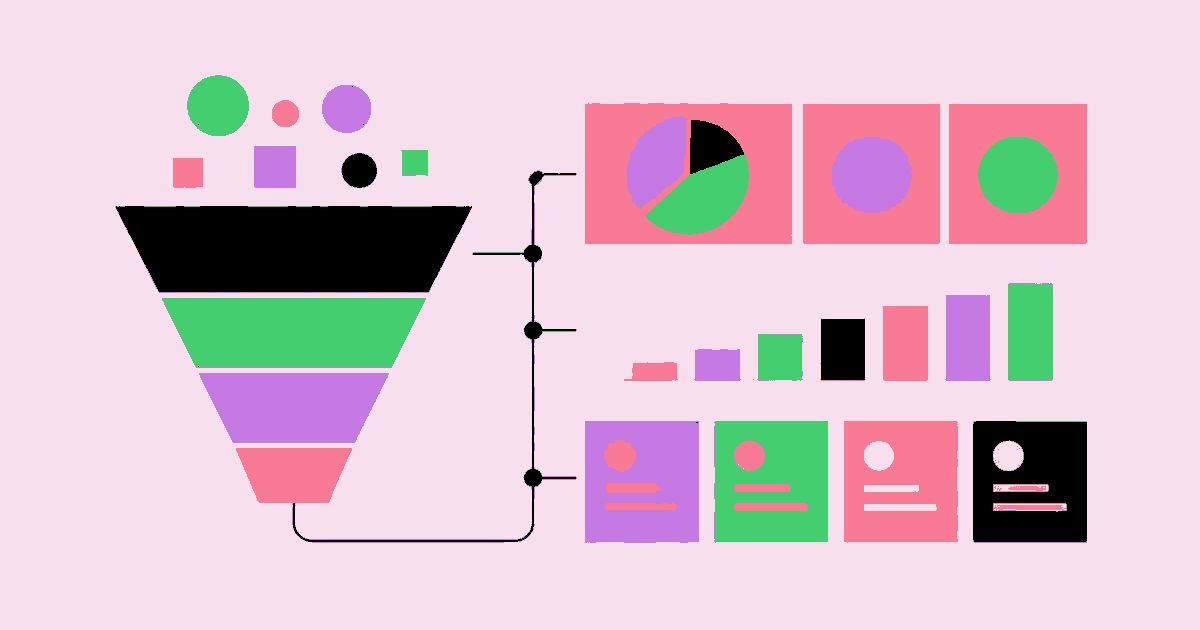
The 2025 LinkedIn algorithm operates in four key stages: filtering for spam, evaluating early engagement, classifying content quality, and expanding distribution. When you publish a post, LinkedIn first checks whether it meets community guidelines and looks human-written. It then shows the post to a small test audience of your closest connections and followers. If those people engage meaningfully through comments, reshares, or longer dwell time, your post earns a wider audience. The algorithm now heavily favors content that demonstrates expertise, sparks conversation, and keeps users on the platform rather than redirecting them away.
One of the most important shifts is the emphasis on relevance over reach. LinkedIn wants to show you posts from people you actually know and topics you actually care about. This means generic motivational posts and clickbait formats now perform worse than authentic, niche, value-packed insights from credible voices.
Top Ranking Signals You Need to Optimize
Several measurable signals determine how far your content travels. Dwell time is critical, as the algorithm rewards posts that hold attention for several seconds. Meaningful comments outperform simple likes, especially when they trigger back-and-forth conversation. Connection strength plays a role too, so your posts perform better with people you frequently engage with. Topical relevance is another factor; if you consistently post about a specific niche, LinkedIn learns to associate you with that topic and surface your content to people interested in it. Finally, profile completeness, posting frequency, and historical engagement all contribute to your overall creator authority score.
Content Formats That Win in 2025
Not all formats perform equally. Text-only posts of 800 to 1,500 characters that tell a story or share a professional lesson continue to drive strong engagement. Document carousels remain a top performer because they encourage swipes and longer dwell time. Native video, particularly short vertical clips with captions, is being aggressively pushed by the platform as it competes with TikTok and Instagram. Polls still work for sparking conversation, but only when the question is genuinely thought-provoking. Long-form newsletters and articles are also being prioritized because they signal deep expertise and keep users reading on LinkedIn for longer sessions.
Hooks matter more than ever. The first two lines of your post determine whether someone clicks "see more." A strong hook poses a question, challenges a common belief, or promises a clear takeaway, and it should be written in plain conversational language rather than corporate jargon.
Strategies to Beat the Algorithm Consistently
Beating the LinkedIn algorithm in 2025 requires consistency, community, and clarity. Post three to five times per week at the times your audience is most active. Engage with other creators in your niche for at least 15 minutes before and after publishing your own content to warm up the feed and signal authority. Reply to every comment on your posts within the first hour to extend visibility. Avoid external links in the main post body; place them in the first comment instead. Build a recognizable content pillar system so your audience knows exactly what value you provide. Finally, treat LinkedIn as a relationship platform rather than a broadcast channel by sending personalized messages, supporting peers, and participating in conversations that matter to your industry.
Frequently Asked Questions
How often should I post on LinkedIn in 2025?
Three to five times per week is the sweet spot for most professionals. Posting too frequently can dilute your reach because LinkedIn does not want to flood feeds with content from a single creator, while posting too rarely makes it harder to build momentum.
Do hashtags still matter on LinkedIn?
Hashtags have a smaller impact than they did a few years ago, but using three to five relevant ones still helps with topical classification. Focus on niche industry hashtags rather than generic ones with millions of followers.
Should I include external links in my LinkedIn posts?
It is generally better to place external links in the first comment rather than the main post. The algorithm tends to reduce the reach of posts that pull users off the platform, so keeping the primary content native gives you better distribution.
Does engagement pods or comment groups help?
Artificial engagement pods are risky and increasingly detected by LinkedIn. Genuine community building with peers in your niche, however, is highly effective and rewarded by the algorithm.
How long does it take to grow on LinkedIn?
Most professionals see meaningful traction after 90 to 180 days of consistent, high-quality posting. Growth compounds quickly once you establish a clear niche, recognizable voice, and engaged audience.
Conclusion
The LinkedIn algorithm in 2025 rewards expertise, authenticity, and conversation more than ever before. By understanding the ranking signals, choosing the right content formats, and showing up consistently, you can turn LinkedIn into one of your most valuable marketing channels. Treat the platform as a long-term relationship engine rather than a quick lead-gen funnel, and the compounding effects on visibility, trust, and business opportunities will follow. Start refining your strategy today, and watch your professional influence grow.