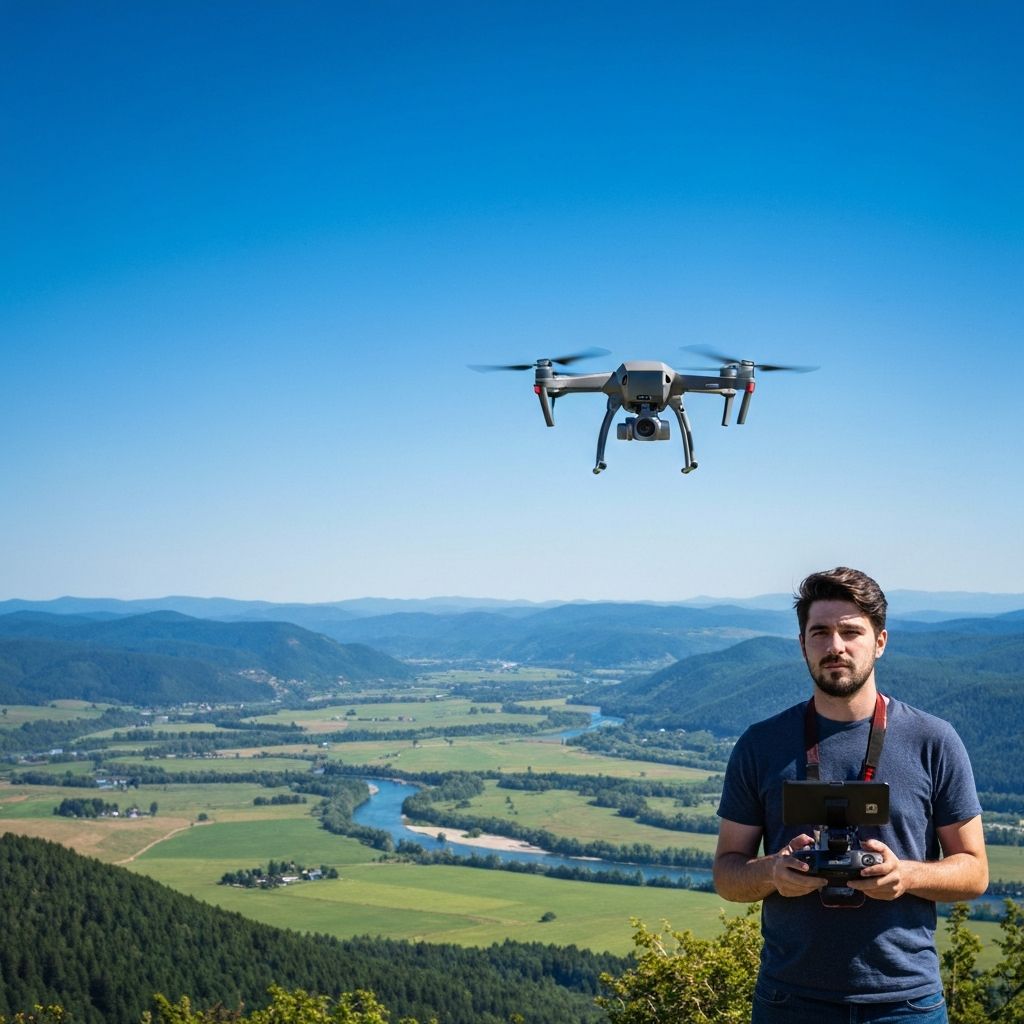
Aerial Video Production: Stunning Aerial Video Production for Any Industry
Aerial video production has evolved from a niche specialty into an essential storytelling tool across nearly every industry. Drones, helicopters, and gimbal-stabilized aerial rigs deliver perspectives that ground-based cameras simply cannot match, transforming routine footage into cinematic experiences that stop scrolling, win bids, and sell properties. Whether the subject is a sprawling real estate development, a music festival, a construction milestone, or a tourism destination, aerial video adds scale, drama, and production value that elevates content immediately. The technology has become accessible enough that nearly any project can benefit, but the craft of capturing truly stunning aerial footage remains the domain of skilled operators with refined creative instincts.
How WebPeak Maximizes the Impact of Aerial Footage
Capturing breathtaking aerial footage is only the beginning. Turning it into content that generates leads, bookings, and brand authority requires strategic distribution. WebPeak partners with brands across real estate, hospitality, construction, and tourism to amplify aerial productions across every channel that matters. Their video production and editing services ensure raw drone footage is shaped into cinematic deliverables tailored for websites, social platforms, and paid campaigns, transforming flying hours into measurable business outcomes.
Industries Transformed by Aerial Video
Real estate was the first major adopter, and aerial video remains transformational for property marketing. Drone shots reveal lot size, neighborhood context, and architectural beauty that ground photography cannot capture. Listings with professional aerial video sell faster and at higher prices, particularly in luxury, equestrian, and waterfront segments where context matters as much as the structure itself.
Construction and infrastructure use drones for time-lapse documentation, progress reports, safety inspections, and marketing materials that win future bids. Hospitality and tourism brands deploy aerial video to showcase resorts, beaches, mountain landscapes, and immersive experiences that drive booking decisions. Events benefit enormously from aerial coverage that captures festival scale, stage production, and audience energy in single sweeping shots. Even agriculture, mining, and energy industries use aerial video for operational documentation, stakeholder communications, and recruitment campaigns.
What Makes Aerial Video Truly Stunning
Equipment matters, but vision matters more. The best aerial operators understand composition, light direction, and pacing as deeply as they understand flight controls. They scout locations multiple times, plan flights around golden hour, and design move sequences that reveal rather than rush. They use orbit shots to highlight subjects, slow reveals to build drama, and tracking shots to create kinetic energy in otherwise static landscapes.
Technical execution separates great from good. Cinema-quality drones with full-frame sensors, gimbal-stabilized 8K capture, and long-range capabilities deliver footage that holds up on the largest screens. Manual flight skill, ND filter usage, and adaptive shooting in challenging weather conditions further widen the gap between hobbyist captures and professional deliverables. Post-production polish, including color grading, stabilization, and sound design, turns beautiful footage into emotionally resonant stories.
Regulatory and Safety Considerations
Professional aerial production must operate within complex regulatory frameworks. In the United States, commercial drone work requires FAA Part 107 certification, plus airspace authorizations near airports and restricted zones. Insurance covering equipment, liability, and crew is non-negotiable for reputable operators. Many sensitive locations require advance permits, property owner permissions, and coordination with local authorities, especially for large events or urban filming.
Safety should always lead. Crowd management, weather monitoring, equipment checks, and clear evacuation protocols protect both subjects and operators. Top aerial production companies maintain rigorous standards, document compliance thoroughly, and refuse to fly when conditions compromise safety, even at the cost of rescheduled shoots. These standards may add complexity, but they are what separate trusted partners from liabilities waiting to happen.
Integrating Aerial Footage Into Broader Campaigns
Aerial footage shines brightest when woven into broader storytelling rather than presented as isolated spectacle. Mix sweeping aerials with intimate ground-level shots, interviews, and product details to create rhythm and emotional range. Use aerial reveals to open films, then descend into human stories that anchor the narrative. Save the most cinematic aerials for emotional climaxes that earn their dramatic weight. Pair the finished content with smart social media marketing to ensure your stunning footage actually reaches the audiences who can act on it. Aerial video that nobody sees is just expensive footage; aerial video deployed strategically across channels becomes a competitive advantage.
Frequently Asked Questions
How much does professional aerial video cost?
Half-day drone shoots typically range from 1,500 to 5,000 dollars depending on equipment and location complexity. Cinema-grade aerial productions with custom rigs, helicopter platforms, or specialized permits can exceed 25,000 dollars per day for premium deliverables.
Do drone operators need licenses for commercial work?
Yes. In the United States, FAA Part 107 certification is required for any commercial drone work. International rules vary widely, so always verify regulatory compliance before booking aerial production in unfamiliar jurisdictions.
What weather conditions affect aerial shoots?
Wind, rain, fog, and extreme temperatures all impact drone performance and safety. Most professional operators avoid sustained winds above 25 miles per hour and refuse to fly in precipitation. Building weather contingency days into schedules prevents costly compromises.
Can drones film inside buildings?
Yes, with specialized indoor drones designed for confined spaces. Real estate, industrial, and event applications increasingly use indoor drones for cinematic interior reveals, but pilots must be highly skilled to operate safely in tight environments.
How long does aerial post-production take?
Most aerial-only edits take one to three weeks from raw footage to final delivery. Larger productions integrating aerial with ground footage, interviews, and graphics may take four to eight weeks depending on complexity and revision rounds.
Conclusion
Aerial video production has become an essential tool for brands and industries that need to communicate scale, beauty, and emotional impact at a glance. From real estate listings and tourism campaigns to construction documentation and music festival coverage, drone and helicopter footage delivers production value that ground cameras cannot match. By choosing skilled operators who blend technical excellence with creative vision, ensuring regulatory compliance, and integrating aerial assets into broader storytelling and distribution strategies, brands unlock cinematic content that drives measurable business outcomes. The sky is no longer the limit for visual storytelling. It is the most powerful canvas available, and the brands using it well are pulling decisively ahead of those still filming from the ground.