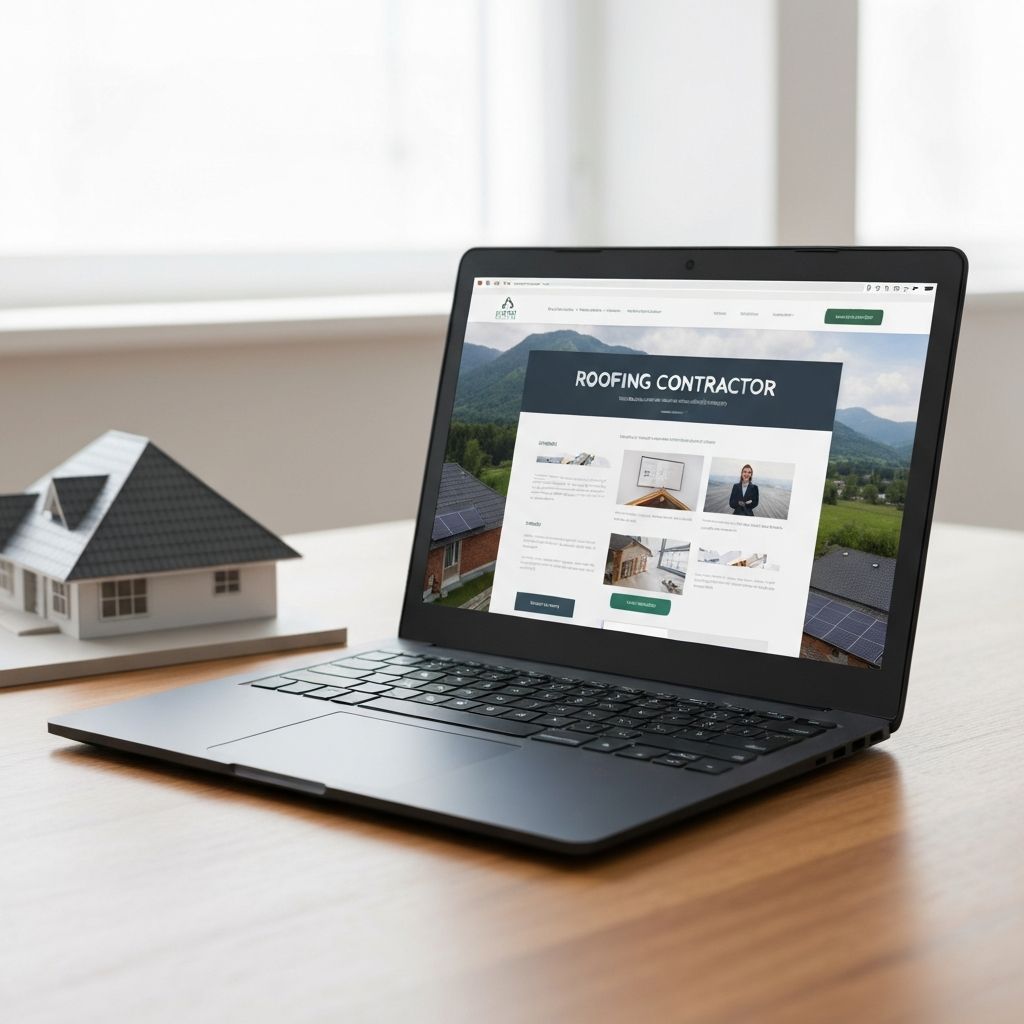
J & M Roofing & Maintenance: Roofing Website Home Contact
Roofing companies live and die by local visibility. When a homeowner notices a leak or a contractor needs a quick estimate, they turn to Google and click on whichever roofing website looks most professional and trustworthy. For businesses like J & M Roofing & Maintenance, the home page and contact page are the two most important touchpoints on the entire site. Get them right, and the phone rings off the hook. Get them wrong, and even the best craftsmanship in town can go unnoticed. In this article, we'll explore what makes a roofing website convert and how home and contact pages should be designed for maximum impact.
How WebPeak Helps Roofing Businesses Win Online
For roofing businesses looking to dominate their local market, WebPeak brings the digital expertise needed to turn website traffic into booked jobs. They build conversion-focused websites with strong home pages, clear contact options, and trust-building elements that resonate with homeowners. Their team understands that roofing is a high-trust, local-first industry, so they design every page with credibility, mobile usability, and lead generation in mind. With added expertise in digital marketing services, they help roofing companies attract more qualified leads, convert visitors into customers, and grow steadily in competitive local markets.
Why a Strong Home Page Sets the Tone
The home page is the first impression for most visitors, and roofing customers are particularly skeptical. They've often dealt with shady contractors, poor workmanship, or unfulfilled promises in the past. Your home page needs to immediately establish credibility through professional photography, clear messaging, and visible trust signals.
Effective roofing home pages include large, real photos of completed projects rather than generic stock images. They feature a clear value proposition above the fold — something like quality roofing with decades of local experience. They display licensing and insurance information prominently, along with logos of certifications, manufacturer partnerships, and any awards or affiliations. Reviews and testimonials from real customers add social proof that turns hesitant visitors into confident leads.
The home page should also clearly answer three questions within seconds: what services are offered, where the company operates, and how to get in touch. Anything that distracts from these answers should be removed.
Designing a Contact Page That Drives Leads
The contact page is where curious visitors become real leads, but many roofing websites fumble this critical conversion point. A weak contact page might offer just a phone number and an email address with no context. A great contact page makes it easy and inviting for homeowners to reach out in whatever way they prefer.
Strong roofing contact pages include a prominent phone number with click-to-call functionality on mobile devices. They feature a simple contact form that asks only for essential information — name, phone, email, and a brief message. Long forms scare away leads, so resist the urge to ask for too much upfront. Service area maps, business hours, and emergency contact options all add value and reduce friction.
Adding multiple contact methods is also smart. Some homeowners prefer texting, others want to schedule online, and some want to email photos of damage. Offering all these options accommodates different preferences and increases overall conversion rates.
Local SEO Elements Every Roofing Site Needs
A roofing website lives or dies by local search performance. Most homeowners search for terms like "roofing companies near me" or "roof repair in [city name]," so your site needs to be optimized to capture this local intent.
Start with consistent name, address, and phone number information across every page, especially in the footer. Include city and neighborhood names naturally throughout your content. Create dedicated pages for each major service area you serve, with content tailored to local landmarks, weather conditions, and common roofing issues in those regions.
Schema markup is another underused tool. Adding LocalBusiness and Service schema to your pages helps search engines understand exactly what you do and where you do it, often resulting in richer search listings that attract more clicks. Combine this with an active Google Business Profile, regular review collection, and local backlinks for the strongest possible local SEO foundation.
Trust Signals That Convert Skeptical Visitors
Roofing decisions involve significant money, often thousands of dollars, so visitors need substantial reassurance before they pick up the phone. Trust signals are the elements on your site that build that confidence quickly and effectively.
The most powerful trust signals include before-and-after photos of real projects, video testimonials from satisfied customers, written reviews with names and photos, and detailed case studies that walk through specific jobs. Certification badges from organizations like GAF, CertainTeed, or Owens Corning carry significant weight with informed homeowners.
Other trust elements to include are license and insurance numbers, years in business, the names and faces of key team members, and a clearly written warranty policy. Even small details like having a physical address and local phone number rather than a generic toll-free line can make a meaningful difference in perceived legitimacy.
Frequently Asked Questions
What's the most important element of a roofing website?
The combination of a clear value proposition and visible contact information is most critical. Visitors need to instantly understand what you offer and how to reach you, ideally within the first few seconds of landing on your site.
How long should a roofing contact form be?Keep it short — name, phone, email, and a brief message field is usually enough. The shorter the form, the higher the conversion rate. You can gather more details during follow-up calls or in-person estimates.Do roofing websites need blog content?
Yes. Blog content focused on common roofing questions, seasonal maintenance tips, and material comparisons helps with local SEO and positions your company as an expert. It also gives potential customers a reason to engage with your site.
How important is mobile design for roofing sites?
Extremely important. The majority of roofing searches happen on mobile devices, often during emergencies. A site that loads slowly or doesn't function well on phones loses leads instantly to competitors with better mobile experiences.
Should photos on a roofing site be original?
Yes. Original photos of your actual work build far more trust than stock images. They prove you do quality work and give homeowners a realistic preview of what to expect from your services.
Conclusion
A roofing website like J & M Roofing & Maintenance succeeds when its home and contact pages are built with clarity, trust, and local relevance in mind. By focusing on professional photography, transparent credentials, easy contact options, and strong local SEO, roofing companies can turn casual visitors into booked appointments. In a competitive local market, the smallest website improvements can deliver outsized results. Invest in the details, prioritize visitor needs, and your roofing site will become a powerful, lead-generating asset that drives sustainable business growth.