Is Headless CMS the Future
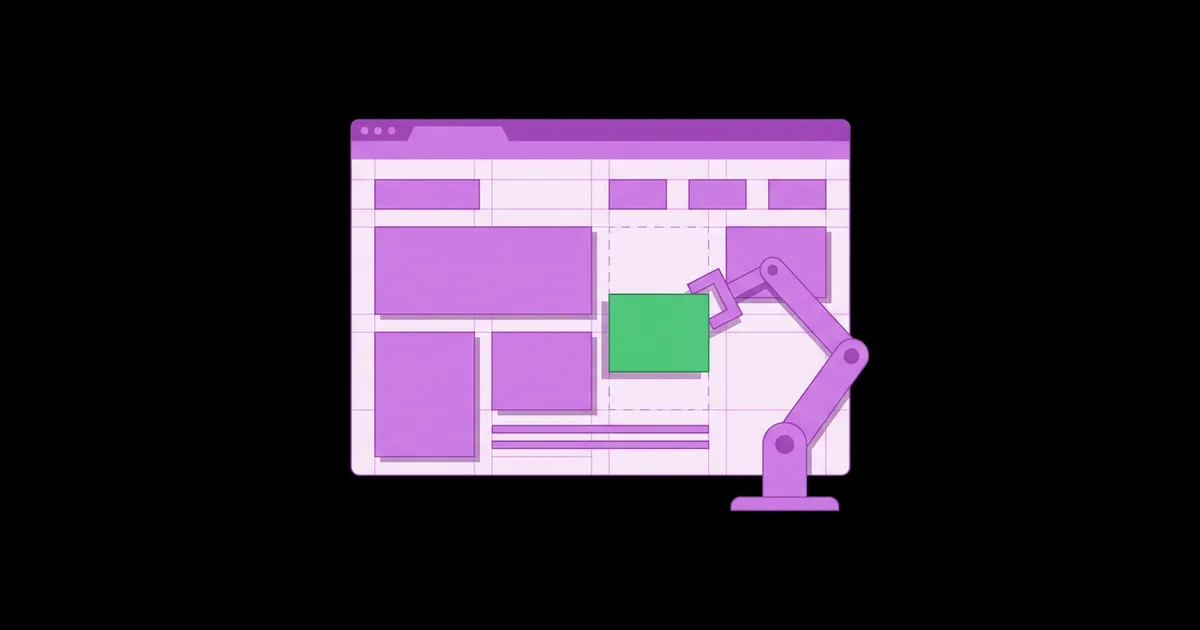
The phrase “headless CMS” has moved from niche developer circles into boardroom conversations, and for good reason. As brands deliver content across websites, mobile apps, smartwatches, voice assistants, kiosks, and connected products, the limitations of traditional all-in-one content systems have become impossible to ignore. A headless CMS decouples content management from the presentation layer, storing content centrally and delivering it through APIs to any front end. The question on many leaders' minds is whether this architecture is a passing trend or the genuine future of content management. The honest answer is nuanced: headless is unquestionably the future for omnichannel, experience-led organizations, while simpler use cases may still be well served by traditional tools.
How WebPeak Helps You Embrace Headless Architecture
Deciding whether headless is right for you is one thing — implementing it well is another, and that is where expert partners add value. WebPeak is a full-service digital agency that helps brands evaluate, adopt, and build headless content experiences tailored to their goals. Their developers craft fast, accessible front ends, integrate content APIs, and connect the services that turn a headless back end into a complete digital experience. If you are weighing a move to decoupled architecture, their web development services and modern Next JS web development expertise help you launch headless solutions that are performant, scalable, and ready for whatever channels come next.
Why Headless Gained Momentum
Headless CMS adoption accelerated because the way people consume content changed faster than traditional platforms could adapt. A monolithic system designed to publish a website struggles when the same content must also feed a mobile app, a digital sign, and an e-commerce storefront. By separating content from presentation, headless platforms let a single source of truth power every channel, ensuring consistency and dramatically reducing duplicated effort. Developers gained the freedom to use modern frameworks, and organizations gained the agility to launch new experiences without rebuilding their content foundation each time.
Performance and security also fueled the shift. Headless front ends, often built as static or server-rendered applications, load quickly and present a smaller attack surface than sprawling monolithic installations. Combined with cloud-native scalability and global content delivery, these advantages made headless attractive not just to engineers but to marketers and executives focused on conversions, user experience, and brand reach.
The Trade-Offs You Should Weigh
Headless is powerful, but it is not free of trade-offs, and pretending otherwise leads to disappointment. Because the CMS no longer controls presentation, someone must build and maintain the front end. That requires development resources and ongoing investment that a traditional platform's built-in templates would otherwise provide out of the box. Marketers accustomed to drag-and-drop page building and instant visual previews can find pure headless workflows less intuitive unless the implementation includes thoughtful preview and editing tools.
There is also complexity in stitching together the services that a monolith bundles automatically — search, forms, personalization, and analytics may each require separate integration. For organizations with simple needs and limited technical resources, this overhead can outweigh the benefits. The future of content management is not headless for everyone; it is choosing the right architecture for the experiences you actually need to deliver.
Headless vs Traditional in the Real World
Understanding when headless wins requires comparing it honestly against traditional systems across the dimensions that influence outcomes. The table below distills the practical differences so you can judge where your organization fits today and where it is heading.
| Factor | Traditional CMS | Headless CMS |
|---|---|---|
| Channel support | Primarily one website | Any channel via APIs |
| Front-end control | Built-in templates | Full developer freedom |
| Setup effort | Fast, out-of-the-box | Requires front-end build |
| Performance | Variable, often heavy | Fast, lightweight delivery |
| Best fit | Simple sites, small teams | Omnichannel, scaling brands |
Where Headless Is Heading Next
The trajectory of the industry strongly favors decoupled, API-first thinking, even as the tools mature to address early pain points. Modern headless platforms increasingly ship with visual editing, preview environments, and reusable component libraries that close the usability gap for marketers. At the same time, the broader movement toward composable architecture — where headless content sits alongside best-of-breed services for search, commerce, and personalization — positions headless as a foundational layer rather than a standalone product. Artificial intelligence is also entering the picture, with content modeling, tagging, and personalization becoming smarter and more automated.
For organizations delivering experiences across many touchpoints, these trends make a compelling case that headless and composable approaches represent the durable future of content management. Yet the smartest strategy is pragmatic rather than dogmatic. Assess your channels, team capabilities, and growth plans, then choose the architecture that serves your audience best. For many, that future is headless; for others, a hybrid or traditional approach remains perfectly valid today, with a path to headless as needs evolve.
It also helps to weigh the operational realities before declaring headless the only sensible choice. A decoupled architecture asks more of your engineering team, since the front end must be designed, built, and maintained separately from the content back end. Organizations with strong development resources or a capable agency partner absorb this easily, while teams that relied on a traditional CMS's built-in templates and visual editors may face a learning curve. The trade-off is real, but for brands serious about omnichannel reach and performance, the long-term flexibility usually outweighs the upfront investment in skills and tooling.
Marketers sometimes worry that headless removes the easy preview and page-building experience they value, but modern platforms have largely closed that gap. Today's leading headless systems offer visual editing, live preview, and component-based authoring that let non-technical users assemble pages confidently while developers retain control of the underlying code. This convergence means the historical tension between developer flexibility and marketer autonomy is fading, removing one of the last objections to adopting headless and strengthening the case that decoupled content is where the industry is heading.
Looking ahead, the momentum behind headless is reinforced by the broader shift toward composable architecture, edge delivery, and AI-assisted content operations. As these technologies mature, the ability to deliver structured content to any endpoint becomes not just an advantage but an expectation. Brands that build on a flexible, API-first foundation today position themselves to adopt tomorrow's channels and capabilities without painful re-platforming. In that sense, headless is less a destination than a direction — one that keeps your content ready for whatever the future of digital experience demands.
Performance is one of the most tangible reasons headless adoption keeps accelerating. Because the front end is decoupled and can be served from a content delivery network or edge infrastructure, headless sites frequently load faster than their monolithic counterparts, improving both user experience and search rankings. Modern frameworks paired with a headless back end enable static generation, incremental updates, and edge rendering that deliver near-instant pages at global scale. For brands where speed directly affects conversion and visibility, this performance advantage alone can justify the move, and it compounds as audiences increasingly expect fast, seamless experiences across every device and connection. Combined with the architecture's inherent flexibility, this is why so many forward-looking organizations now treat headless not as an experiment but as the default starting point for serious digital projects.
Frequently Asked Questions
Is a headless CMS right for every business?
No. Headless excels for brands delivering content across multiple channels or needing high performance and flexibility. Smaller organizations with a single website and limited development resources may find a traditional CMS faster and easier to manage.
Does headless CMS improve website speed?
Generally yes. Headless front ends are often built as lightweight static or server-rendered apps that load quickly and deliver content through fast APIs and global CDNs, improving performance compared to many heavy monolithic installations.
What is the main downside of headless CMS?
The biggest downside is that you must build and maintain the front end yourself, which requires development resources. Marketers may also need additional tooling for visual editing and previews that traditional platforms provide automatically.
How does headless relate to composable architecture?
Headless is often a core component of a composable architecture, where it handles content while separate best-of-breed services manage search, commerce, and personalization. Together they form a flexible, modular digital experience platform.
Will headless CMS replace traditional CMS entirely?
Not entirely. Headless is becoming dominant for omnichannel and enterprise experiences, but traditional and hybrid systems will continue serving simpler use cases where speed of setup and built-in templates matter more than flexibility.
Conclusion
Is headless CMS the future? For the growing number of brands delivering content across many channels and demanding speed, flexibility, and scalability, the answer is a confident yes. The architecture's separation of content and presentation, its performance advantages, and its alignment with composable and AI-driven trends make it the foundation of modern digital experiences. Yet the future is not one-size-fits-all — the right choice depends on your channels, resources, and ambitions. By understanding both the strengths and trade-offs of headless, and partnering with experienced specialists to implement it well, you can position your organization to thrive in a content landscape that grows more connected every year.