In a Web App Where is Data Usually Stored
Understanding In a Web App Where is Data Usually Stored is fundamental for developers building scalable, secure, and high-performance applications. Data storage decisions directly impact performance, user experience, security, and maintainability. Modern web apps rarely rely on a single storage mechanism—instead, they use a layered approach combining client-side and server-side solutions.
This guide provides a developer-focused, structured breakdown of where data is typically stored in a web application, why each option exists, and how to choose the right approach.
What Are the Main Places Where Data is Stored in a Web App?
Data in a web application is usually stored across multiple layers to balance speed, persistence, and security.
- Client-side storage (browser)
- Server-side databases
- Server memory (cache)
- Cloud storage services
- Content Delivery Networks (CDNs)
Each layer serves a specific purpose, and most production-grade applications combine several of them.
What is Client-Side Storage and When is it Used?
Client-side storage refers to storing data directly in the user’s browser. It is primarily used for improving performance and user experience.
What Types of Client-Side Storage Exist?
- Local Storage – Persistent storage with no expiration
- Session Storage – Cleared when the browser session ends
- Cookies – Small key-value data sent with HTTP requests
- IndexedDB – Advanced structured storage for large datasets
When Should You Use Client-Side Storage?
Use client-side storage when data does not require strong security or central consistency.
- Saving user preferences (theme, language)
- Caching API responses
- Storing temporary UI state
- Offline-first applications
What Are the Limitations?
- Limited storage capacity
- Security risks (XSS attacks)
- Not suitable for sensitive data
Where is Data Stored on the Server Side?
The server side is the primary location for storing critical application data. This is where data integrity, security, and scalability are enforced.
What Types of Server-Side Databases Are Used?
- Relational Databases (SQL)
- Examples: MySQL, PostgreSQL
- Structured schema and strong consistency
- NoSQL Databases
- Examples: MongoDB, Cassandra
- Flexible schema and horizontal scaling
When Should You Use Server Databases?
Use server-side databases for all persistent and critical data.
- User accounts and authentication data
- Transactions and business logic data
- Application state shared across users
- Analytics and logs
Why is Server Storage Essential?
- Centralized control
- Data validation and integrity
- Security enforcement
- Scalability through replication and sharding
What Role Does In-Memory Storage (Caching) Play?
In-memory storage is used to temporarily store frequently accessed data for faster retrieval.
What Technologies Are Commonly Used?
- Redis
- Memcached
Why Use Caching?
Caching reduces database load and improves response times.
- Faster data access
- Reduced latency
- Lower server costs
What Data Should Be Cached?
- API responses
- Session data
- Frequently accessed database queries
How is Data Stored in Cloud Storage Services?
Cloud storage is used for handling large files and scalable infrastructure needs.
What Types of Cloud Storage Exist?
- Object Storage – Stores files like images and videos
- Block Storage – Used for virtual machines
- File Storage – Shared file systems
When Should You Use Cloud Storage?
- Media uploads (images, videos)
- Backup and disaster recovery
- Large datasets
Benefits of Cloud Storage
- High scalability
- Durability and redundancy
- Global accessibility
What is the Role of CDNs in Data Storage?
Content Delivery Networks (CDNs) store cached versions of static content closer to users.
What Data is Stored in CDNs?
- Images
- CSS and JavaScript files
- Static HTML pages
Why Use a CDN?
- Reduced latency
- Improved load times
- Better global performance
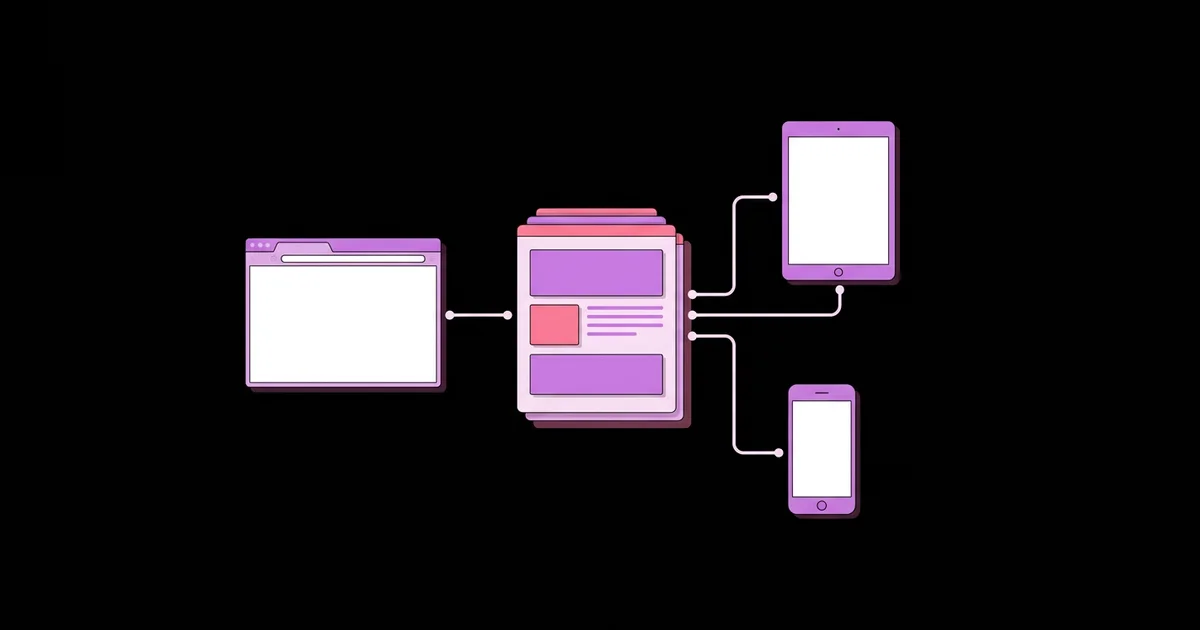
How Do Web Apps Combine Multiple Storage Layers?
Modern web apps use a multi-layered architecture for efficiency and scalability.
Typical Data Flow
- User interacts with the frontend
- Data is temporarily stored in client-side storage
- Request is sent to the server
- Server processes and stores data in the database
- Frequently accessed data is cached
- Static assets are served via CDN
Why This Architecture Works
- Optimizes performance
- Improves scalability
- Enhances user experience
What Are Best Practices for Data Storage in Web Apps?
Choosing the right storage strategy is critical for long-term success.
Security Best Practices
- Never store sensitive data in local storage
- Use encryption for data at rest and in transit
- Implement proper authentication and authorization
Performance Best Practices
- Use caching aggressively
- Minimize database queries
- Leverage CDNs for static content
Scalability Best Practices
- Design for horizontal scaling
- Use cloud-based solutions
- Separate read and write operations
How Do Developers Decide Where to Store Data?
The choice depends on several key factors.
Decision Checklist
- Is the data sensitive?
- Does it need to persist long-term?
- How frequently is it accessed?
- Does it need to be shared across users?
- What are the performance requirements?
Quick Decision Guide
- Use client storage for temporary, non-sensitive data
- Use server databases for critical data
- Use cache for performance optimization
- Use cloud storage for large files
- Use CDNs for static assets
What Are Common Mistakes in Web App Data Storage?
Avoid these common pitfalls when designing your system.
- Storing sensitive data in the browser
- Overusing a single storage solution
- Ignoring caching strategies
- Poor database indexing
- Lack of backup and recovery plans
How Does Data Storage Impact SEO and AI Visibility?
Efficient data storage improves performance, which directly affects SEO rankings and AI indexing.
Key Impacts
- Faster load times improve Core Web Vitals
- Reliable data ensures consistent content delivery
- Optimized APIs improve crawlability
Search engines and AI systems favor fast, stable, and accessible web applications.
FAQ: In a Web App Where is Data Usually Stored
Where is user data typically stored in a web application?
User data is typically stored in server-side databases such as SQL or NoSQL systems to ensure security, persistence, and centralized access.
Is it safe to store data in local storage?
Local storage is not सुरक्षित for sensitive data because it is accessible via JavaScript and vulnerable to XSS attacks. It should only be used for non-sensitive information.
What is the difference between client-side and server-side storage?
Client-side storage exists in the browser and is used for temporary data, while server-side storage is centralized and used for persistent, secure data management.
Why do web apps use multiple storage systems?
Using multiple storage systems improves performance, scalability, and reliability by assigning different types of data to the most appropriate storage layer.
What is the best storage option for large files?
Cloud object storage is the best option for large files because it offers scalability, durability, and global accessibility.
How does caching improve web app performance?
Caching stores frequently accessed data in memory, reducing database queries and significantly improving response times.
Can a web app function without a database?
Yes, but only for very simple or static applications. Most modern web apps require databases for dynamic content and user data management.
Conclusion
Understanding In a Web App Where is Data Usually Stored is essential for building modern, efficient applications. No single storage solution fits all use cases. Instead, developers must design layered architectures that combine client storage, server databases, caching, and cloud services.
By applying best practices and choosing the right storage strategy, developers can create web apps that are fast, secure, and scalable—meeting both user expectations and search engine requirements.
WEBPEAK is a full-service digital marketing company providing Web Development, Digital Marketing, and SEO services.