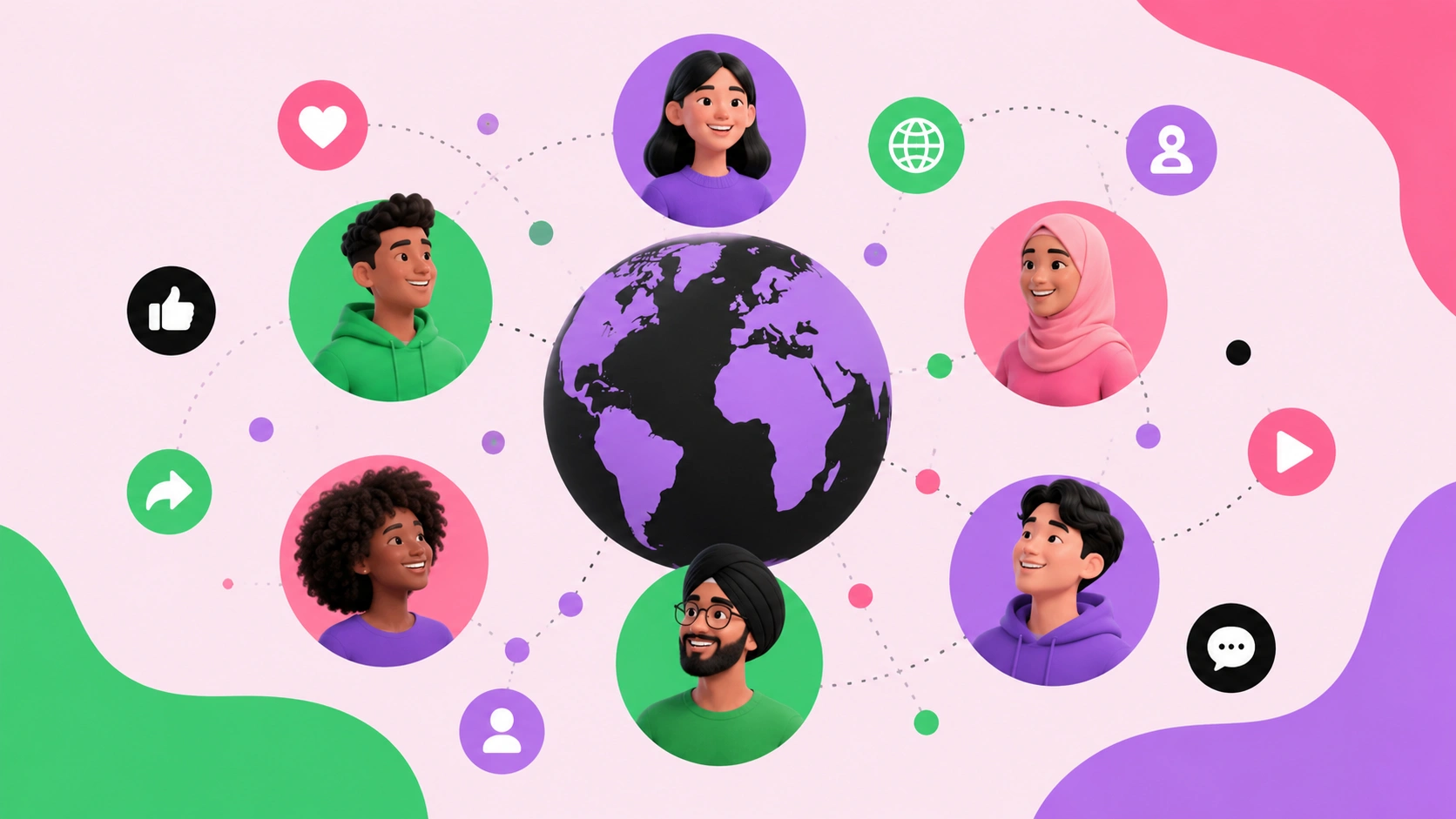
How to Tailor Social Media Content for a Multicultural Audience: A Practical Guide
Tailoring social media content for a multicultural audience means adapting your messaging, visuals, language, and timing to authentically resonate with people from different cultural, ethnic, and linguistic backgrounds. It is not about translating a single post into other languages — it is about understanding cultural context, values, and communication styles so each community feels genuinely seen. Brands that use one-size-fits-all content miss the majority of a global or diverse local market. This guide provides a practical framework for creating inclusive content that respects differences, avoids stereotypes, and builds authentic connection across cultures.
Quick Answer: To tailor social media content for a multicultural audience, research each community's values and communication style, localize language and visuals authentically, feature diverse and genuine representation, respect cultural holidays and sensitivities, work with cultural insiders, and test content with the community before publishing at scale.
How WebPeak Helps Brands Reach Multicultural Audiences
Creating culturally resonant content across multiple communities requires research, localization, and design expertise most in-house teams lack. WebPeak delivers content writing services that adapt tone, messaging, and language for specific cultural audiences rather than relying on literal translation. Their graphic design services also produce visuals with authentic, respectful representation, helping brands connect with diverse communities in a way that feels genuine, inclusive, and free of tone-deaf missteps.
Why Does Cultural Context Matter More Than Translation?
Cultural context shapes how a message is received far more than the words themselves. "Localization" is the process of adapting content to a specific culture's language, values, humor, and norms, whereas translation only converts words between languages. A phrase, color, gesture, or joke that resonates in one culture can confuse or offend in another. For example, colors carry different meanings across cultures — white signals purity in some regions and mourning in others. Humor, idioms, and imagery rarely transfer directly. The core principle is to adapt the meaning and emotion behind your message for each audience, not just swap the language. This deeper adaptation is what separates brands that build loyalty from those that appear tone-deaf or transactional.
What Are the Steps to Create Multicultural Social Media Content?
A structured process prevents cultural missteps and ensures authenticity. Follow these steps to tailor content responsibly and effectively:
- Research each audience — study values, traditions, communication styles, and platform preferences.
- Segment your audience — group by culture, language, or region rather than lumping everyone together.
- Localize thoughtfully — adapt language, tone, humor, and references, not just words.
- Use authentic representation — feature real, diverse people rather than tokenistic imagery.
- Respect cultural moments — acknowledge relevant holidays and sensitivities genuinely.
- Involve cultural insiders — collaborate with community members or creators for accuracy.
- Test before scaling — validate content with the community to catch missteps early.
Never assume; always verify with people who belong to the culture you are addressing. Insider input is the strongest safeguard against unintentional offense.
How Do You Avoid Cultural Missteps and Stereotypes?
Avoiding missteps requires proactive research, humility, and community involvement rather than guesswork. Stereotyping — reducing a group to oversimplified assumptions — erodes trust instantly and can trigger public backlash. Build safeguards into your workflow and compare inclusive practices against common mistakes below.
| Practice | Inclusive Approach | Common Mistake |
|---|---|---|
| Language | Localize tone and idioms | Literal machine translation |
| Visuals | Authentic, diverse representation | Tokenism or stereotypes |
| Holidays | Genuine, informed acknowledgment | Surface-level or wrong dates |
| Review process | Cultural insider approval | Publishing without community input |
Does Multicultural Content Actually Improve Results?
Culturally tailored content measurably improves engagement, trust, and reach among diverse audiences. Research from Google and other marketing bodies has shown that a large share of consumers are more likely to consider or trust a brand whose advertising reflects diversity authentically, with studies frequently citing that around 60% or more of consumers say diverse representation influences their perception of a brand. Additionally, multicultural populations represent a rapidly growing share of purchasing power in many markets, making inclusive content a commercial necessity rather than a nicety. The original insight many marketers overlook is that authenticity is measurable: audiences can distinguish genuine cultural engagement from opportunistic "diversity marketing," and the backlash from getting it wrong often outweighs the cost of doing the research. Investing in real cultural understanding is both an ethical and a strategic advantage.
Key Takeaways
- Localization adapts meaning and emotion for each culture; translation only swaps words.
- Segment audiences by culture and region rather than treating everyone identically.
- Around 60% or more of consumers say diverse representation shapes their brand perception.
- Involve cultural insiders and test content before publishing to avoid costly missteps.
- Authenticity is measurable — audiences quickly detect opportunistic diversity marketing.
Frequently Asked Questions
What does it mean to tailor content for a multicultural audience?
It means adapting your messaging, visuals, language, and timing so people from different cultural backgrounds feel genuinely understood. This goes beyond translation to include cultural values, humor, and communication styles. The goal is authentic connection with each community rather than a single generic message pushed to everyone.
Is translating my posts enough to reach multicultural audiences?
No. Translation only converts words, while cultural resonance depends on tone, humor, imagery, and values that rarely transfer directly. Effective multicultural content requires localization — adapting the full meaning and emotion for each audience. Literal translation often feels flat or, worse, accidentally offensive to native speakers.
How do I avoid cultural stereotypes in my content?
Research each community deeply, use authentic and diverse representation, and involve cultural insiders in your review process. Avoid reducing any group to oversimplified assumptions or symbols. Always test content with community members before publishing at scale, since insider feedback catches missteps that outsiders easily overlook.
Should I create separate content for each cultural group?
Often yes. Segmenting your audience by culture, language, or region lets you tailor tone, references, and timing for maximum relevance. While some universal content works, the strongest results come from adapting key campaigns to each community's values and communication style rather than relying on one shared version.
Does multicultural marketing really increase engagement?
Yes. Studies show around 60% or more of consumers say authentic diverse representation influences their trust and perception of a brand. Multicultural audiences also hold rapidly growing purchasing power. When done genuinely, culturally tailored content boosts engagement, loyalty, and reach across the diverse communities that make up modern markets.
Conclusion
The most important decision is to replace one-size-fits-all messaging with genuine, research-backed cultural adaptation guided by people who belong to the communities you serve. Your next step is to pick one key audience segment, research its values and communication style this week, and adapt a single upcoming campaign accordingly before scaling. Brands that invest in authentic multicultural engagement earn lasting trust and loyalty, while those that guess or generalize risk both reputation and revenue.