How to Sell With Social Media: A Practical Strategy That Converts
Selling with social media means using social platforms to discover qualified prospects, establish credibility, answer buying questions, and guide people toward a purchase. It is not simply posting product links. Effective social selling connects useful content, genuine conversations, clear offers, and a frictionless buying path. The central challenge is earning enough trust to influence a decision without making every interaction feel like a sales pitch.
Quick Answer: To sell with social media, identify a specific audience problem, publish content that demonstrates a credible solution, engage personally with interested users, and direct them to one relevant offer. Track qualified conversations, landing-page visits, leads, and sales—not follower counts alone—and improve the weakest stage of that journey.
How WebPeak Helps Businesses Turn Social Attention Into Sales
WebPeak helps businesses connect social content with measurable customer acquisition rather than treating posting as an isolated activity. Their team can develop channel strategy, campaign messaging, conversion-focused landing pages, and reporting systems suited to a company’s market. Their specialized social media marketing services can also support audience targeting, creative testing, community engagement, and campaign optimization worldwide.
What Must Be in Place Before You Start Selling?
A social selling system needs a defined buyer, a valuable offer, proof, and a clear conversion path. An ideal customer profile is a concise description of the organization or person most likely to obtain meaningful value from an offer. Define that profile using the buyer’s situation, urgent problem, desired outcome, purchasing authority, likely objection, and preferred platform. Replace broad descriptions such as “small businesses” with useful boundaries such as “independent accounting firms with 5–20 employees that need a predictable flow of local consultations.”
Next, express the offer as an outcome rather than a feature list. A project-management platform does not merely sell dashboards; it may help distributed teams reduce missed handoffs. Support the claim with verifiable evidence such as a detailed case study, product demonstration, customer quotation, transparent methodology, or before-and-after metric. Never invent testimonials, conceal material conditions, or present exceptional results as typical. Trust lost through an exaggerated claim is difficult to recover.
Your profile and destination page should answer five questions within seconds: Who is this for? What problem does it solve? What outcome can the buyer expect? Why should the claim be trusted? What should the visitor do next? Use one primary call to action, such as booking a consultation, requesting a quote, starting a trial, or purchasing a clearly defined product. Test the complete path on a phone because unnecessary fields, slow pages, unclear pricing, and broken checkout steps waste the demand created by social content.
How Do You Build a Social Media Sales Funnel?
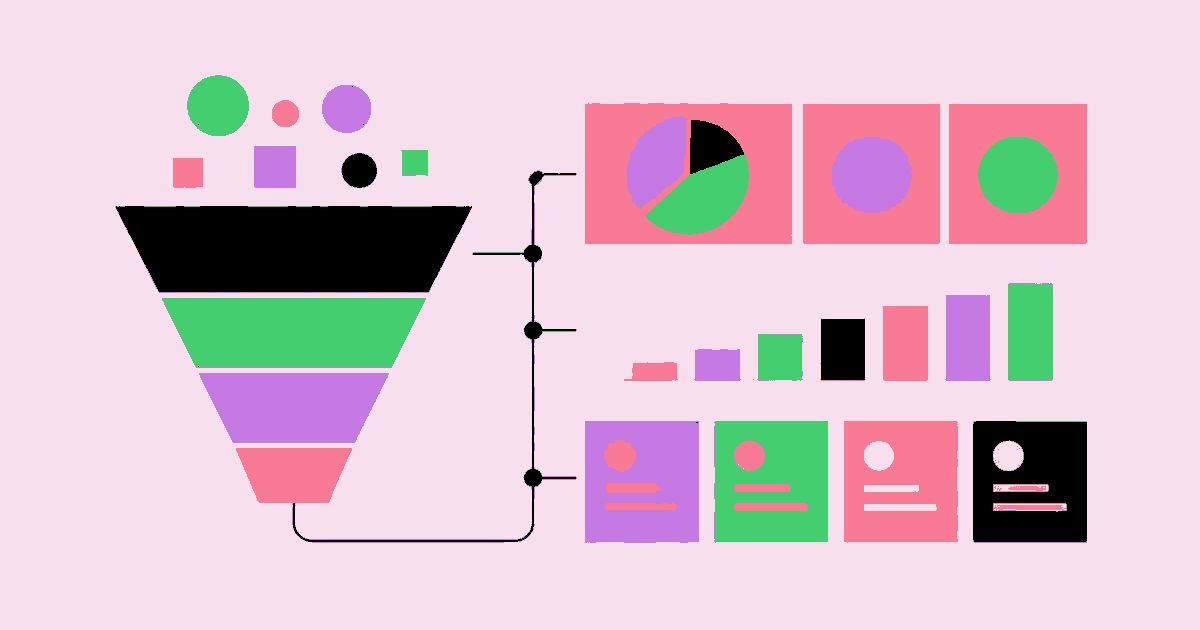
A social media sales funnel is the sequence through which an unfamiliar user becomes aware of a problem, evaluates a solution, and takes a commercial action. Build it backward from the sale so every post has a purposeful next step.
- Choose one measurable conversion. Select the action closest to revenue that the campaign can reasonably influence, such as qualified demo requests rather than impressions.
- Map buying questions. Interview customers and sales staff to identify triggers, misconceptions, comparison criteria, risks, and objections expressed in the buyer’s own words.
- Create content for each decision stage. Use educational posts for awareness, demonstrations and comparisons for evaluation, and case studies or offer explanations for conversion.
- Match calls to action to intent. Invite early-stage users to read a guide, while directing high-intent users toward a trial, product page, or consultation.
- Respond while interest is current. Establish ownership and response standards for comments and messages. Answer the question before asking for contact details.
- Retarget responsibly. Where consent and platform rules permit, show relevant proof or reminders to users who engaged but did not convert.
- Review funnel metrics weekly. Compare reach, meaningful engagement, clicks, qualified leads, conversion rate, acquisition cost, and revenue by campaign.
A practical content mix answers real questions repeatedly from different angles. Publish a tutorial showing how to solve part of the problem, a case study explaining the constraints behind a result, a comparison identifying who should choose each option, and an objection-handling post that states trade-offs honestly. This approach gives buyers decision support instead of an endless series of promotional claims.
Which Social Selling Tactics Work at Each Stage?
The right tactic depends on buyer intent. Educational reach matters when prospects do not yet recognize the problem; detailed proof matters when they are comparing alternatives. Direct messages should generally follow a meaningful signal—such as a specific question, event registration, or request for information—rather than being sent indiscriminately. Personalization means referring to relevant context and offering a useful answer, not inserting a first name into a copied pitch.
| Buyer Stage | Useful Social Content | Best Next Action |
|---|---|---|
| Problem awareness | Checklists, diagnostic questions, and short tutorials | Read a practical guide |
| Solution research | Frameworks, demonstrations, and expert explanations | View a detailed resource |
| Vendor comparison | Case studies, transparent comparisons, and FAQs | Request a demo or quote |
| Purchase readiness | Offer details, onboarding expectations, and risk reducers | Buy, book, or start a trial |
Use platform-native formats when they improve comprehension, but do not allow format trends to replace strategy. Short videos can demonstrate a product quickly, carousels can explain a process, and live sessions can answer objections. Send users to a dedicated page when they need pricing, specifications, legal terms, checkout, or a longer explanation. Conversion-focused website copywriting can help maintain message continuity between a social post and its destination.
How Should You Measure and Improve Social Media Sales?
Measure commercial progress without ignoring the platform’s role in discovery. According to DataReportal’s Digital 2024 Global Overview Report, people spent an average of 2 hours and 23 minutes per day using social media. That level of attention creates opportunity, but it does not prove purchase intent. Separately, HubSpot’s 2024 State of Sales reported that 87% of sales professionals considered social selling effective for their business. The useful conclusion is not that every brand should publish more; it is that social activity needs a traceable relationship to buyer conversations and revenue.
Start with a simple measurement model. Tag campaign links with consistent UTM parameters, record lead source and campaign in the customer relationship management system, and preserve the first and latest meaningful touchpoints. Calculate landing-page conversion rate by dividing completed actions by unique visitors. Calculate customer acquisition cost by dividing attributable sales and marketing expenditure by new customers. Compare performance by audience, offer, creative theme, and decision stage rather than relying only on platform-wide averages.
Attribution is imperfect because buyers may see a post, search for the brand later, consult a colleague, and purchase on another device. Combine analytics with a post-purchase question such as “How did you first hear about us?” and review assisted conversions where available. The strongest original insight is that social selling should reduce uncertainty before it attempts to increase urgency. If prospects repeatedly ask basic questions, improve the content and landing page before increasing advertising spend.
Run controlled tests that change one major variable at a time: opening hook, proof format, audience, call to action, or destination page. Use enough observations to avoid treating random variation as a trend. For higher-value services with low lead volume, evaluate lead quality and sales-stage progression instead of waiting for statistically large purchase samples. A specialized digital marketing strategy can connect these experiments with paid media, search visibility, email nurturing, and revenue reporting.
Key Takeaways
- Social selling combines helpful content, credible proof, human engagement, and a clear path to purchase.
- A narrowly defined buyer problem produces more relevant content than a broad demographic description.
- Calls to action should match intent: education for early research and sales actions for purchase-ready users.
- Qualified conversations, conversion rate, acquisition cost, and revenue are more useful than follower totals alone.
- Improving buyer clarity usually creates more durable gains than simply increasing posting frequency.
Frequently Asked Questions
Can I sell on social media without paying for ads?
Yes. Organic content, employee expertise, community participation, partnerships, and thoughtful direct conversations can generate sales without media spending. Organic growth usually requires consistent distribution and a strong point of view. Track leads and revenue so you can identify which topics and interactions create commercial outcomes instead of merely attracting engagement.
Which social media platform is best for selling?
The best platform is where your qualified buyers actively research, discuss, or demonstrate interest in the problem you solve. LinkedIn often suits professional services, while visually demonstrable consumer products may perform well on Instagram, TikTok, or Pinterest. Validate the choice through customer interviews and a limited, measurable content test.
How often should a business post to generate sales?
Post often enough to maintain quality, learn from results, and respond to the audience. There is no universal frequency that guarantees sales. A business publishing three useful posts weekly may outperform one posting daily promotions. Choose a sustainable schedule, evaluate qualified actions monthly, and increase frequency only when quality remains consistent.
Should I send sales pitches through direct messages?
Use direct messages when there is relevant context and a reasonable basis for contact, not as an indiscriminate broadcast channel. Mention the specific question or signal that prompted the message, provide immediate value, and ask permission before advancing the conversation. Respect platform policies, privacy expectations, and every request to stop contact.
How long does it take to make sales from social media?
The timeline depends on price, trust, existing demand, sales-cycle length, and audience access. Low-risk consumer purchases may happen quickly, while complex services can require months of evaluation. Set leading indicators—qualified replies, return visits, demos, and opportunities—then assess revenue over a period consistent with the normal buying cycle.
Conclusion
The decisive step in learning how to sell with social media is to design the buyer journey before producing more content. Define one audience problem, provide trustworthy proof, and make the next action obvious and proportionate to intent. Begin by auditing one campaign from post to purchase, then repair its greatest point of confusion using customer evidence and transparent measurement.