How to Clean and Segment Your Email Subscriber List for Higher Open Rates
A master manual for cleaning and segmenting your subscriber database to maximize inbox placement, protect sender score, and elevate email open rates in 2027.

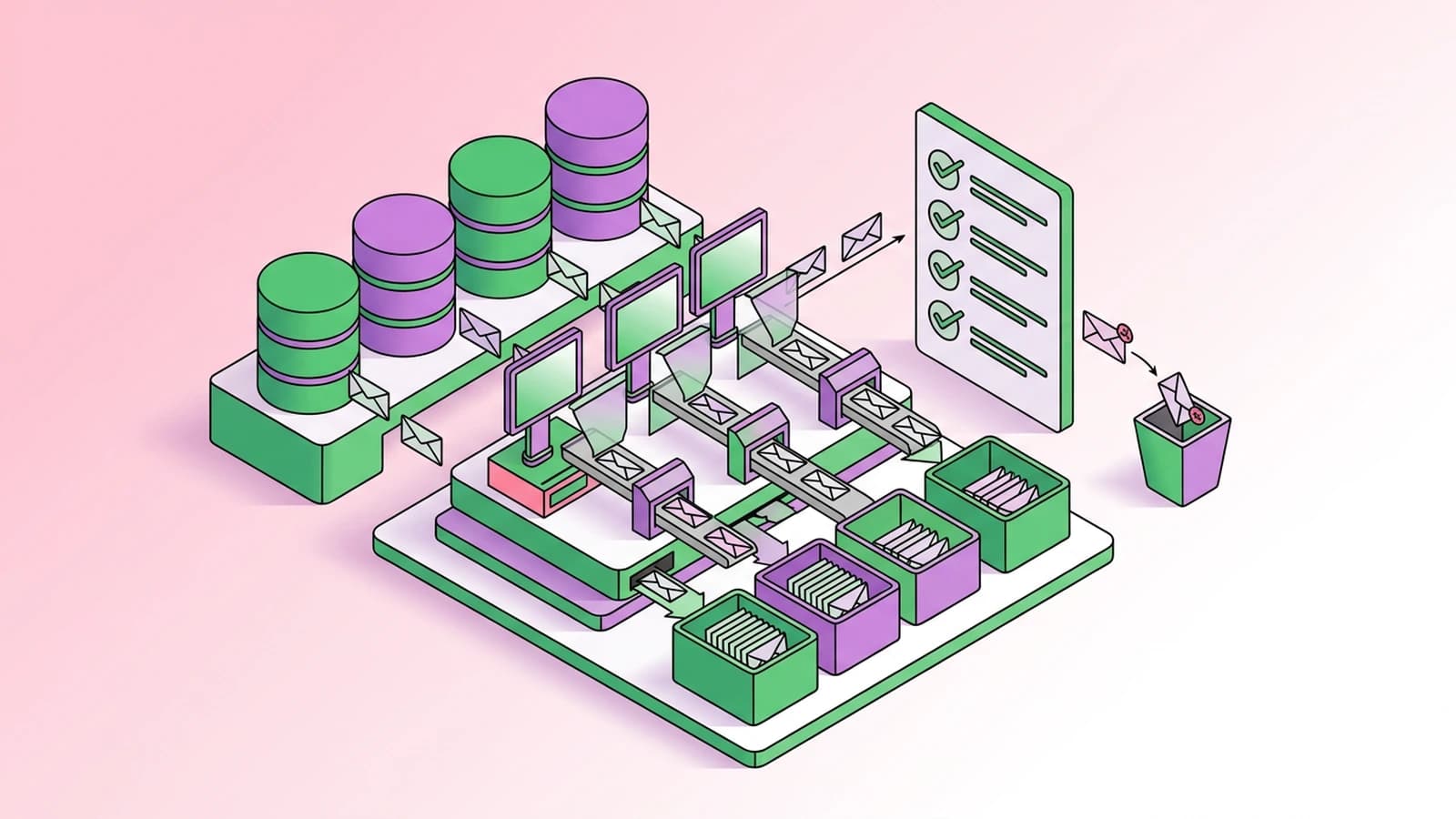
Key takeaways
Executive Summary- Mastering how to clean and segment your email subscriber list for higher open rates is vital for sustainable digital authority and inbox placement in 2027.
- Rigorously clean and segment recipient databases to prevent algorithmic spam throttling across major mailbox providers.
- Combine structured DNS authentication protocols (SPF, DKIM, DMARC) with compelling, value-first copywriting.
- Monitor real-time engagement telemetry to continually refine sending cadence and audience retention.
Maintaining a healthy subscriber base is the single most critical factor in achieving reliable inbox delivery. When you learn how to clean and segment your email subscriber list for higher open rates, you protect your sender reputation and ensure that your marketing messages reach engaged subscribers rather than spam folders. In this actionable guide, you will master advanced list hygiene protocols, behavioral segmentation models, and automated scrubbing routines that produce measurable revenue growth.
Many marketing teams make the mistake of measuring email success solely by the gross size of their database. However, stale addresses, unengaged contacts, and spam traps quietly drag down delivery metrics across major mailbox providers. Segmenting your audience based on purchase history, engagement frequency, and lifecycle stage transforms generic broadcasts into high-converting conversations.
List hygiene is not about sending fewer emails; it is about sending the right emails to the exact subscribers who want to open, read, and convert on them.
Why Email List Hygiene and Segmentation Matter in 2027
Modern email service providers like Google Workspace and Yahoo Mail enforce strict sender thresholds. Senders exceeding a spam complaint rate of 0.3 percent risk immediate domain throttling or blocklisting. Regularly pruning unengaged contacts and segmenting active subscribers is no longer optional; it is fundamental infrastructure for sustainable digital outreach.
Beyond raw deliverability, segmentation directly fuels commercial performance. When marketing campaigns speak to specific pain points, click-through rates climb by more than 100 percent compared to unsegmented batch-and-blast emails. Modern marketing requires aligning dynamic content with verified customer interests.
The High Cost of Email List Decay
Every email list naturally decays at an average rate of 22 to 25 percent annually. People switch jobs, abandon secondary personal inboxes, and change personal domains. Retaining dead mailboxes inflates subscription tiers on marketing automation platforms while distorting analytics.
When inactive mailboxes sit on your list, mailbox providers assume your messaging lacks relevance. Consequently, algorithms begin routing your upcoming campaigns to the spam tab, even for your most loyal brand advocates. Active pruning directly breaks this downward spiral.
How to Clean and Segment Your Email Subscriber List for Higher Open Rates
To execute a professional hygiene campaign, you must combine diagnostic data analysis with automated filtering. Implementing structured list maintenance allows your team to pinpoint disengaged segments before deliverability metrics drop. Our team frequently pairs these hygiene workflows with specialized email marketing services to build resilient delivery pipelines for enterprise clients.
Step 1: Identifying Inactive and Bounced Addresses
Start by isolating hard bounces and persistent soft bounces. Hard bounces represent invalid or non-existent domains that must be scrubbed immediately. Soft bounces caused by temporary mailbox overages should be monitored across three consecutive sends before permanent suppression.
- Filter contacts who have not opened or clicked an email in 90 consecutive days.
- Remove all syntax errors, role-based addresses (such as admin@ or info@), and disposable mailboxes.
- Verify existing records through automated API validation tools before major product launches.
- Tag high-frequency complaint domains and investigate potential opt-in form vulnerabilities.
Step 2: Designing Re-Engagement Sequences
Before permanently deleting unengaged contacts, run a targeted re-engagement campaign. Present a clear incentive, such as a specialized discount or content asset, alongside a simple one-click option to remain on the list. If contacts remain unresponsive after two reminder emails, archive them without hesitation.
A two-step re-engagement workflow typically reclaims 8 to 15 percent of dormant subscribers. The remaining non-responsive addresses should be moved to a permanent cold suppression tier to preserve overall domain sender scores.
Advanced Subscriber Segmentation Strategies That Drive Clicks
Once your database contains only verified recipients, partition your audience into actionable cohorts. Demographic categorization provides a foundation, but behavioral and lifecycle segmentations yield significantly higher conversion rates across B2B and B2C organizations.
Behavioral Segmentation Rules
Behavioral segmentation tracks how individual subscribers interact with your web properties, past emails, and product interfaces. For instance, creating segments based on specific links clicked allows you to trigger automated follow-up sequences tailored precisely to demonstrated purchase intent.
- Category affinity: Group subscribers by specific content topics or product categories visited.
- Purchase recency and frequency: Separate first-time buyers from repeat loyal brand advocates.
- Cart abandonment signals: Dispatch personalized reminders within two hours of cart drops.
- Content consumption velocity: Identify power readers who consume weekly newsletters within 30 minutes of sending.
Lifecycle and Lead Stage Segmentation
New subscribers have vastly different expectations than longtime customers. Welcome sequences should focus on education and orientation, while intermediate cohorts benefit from case studies and tactical product comparisons.
By mapping email cadences to customer lifecycle stages, you prevent message fatigue. High-intent leads receive product demonstrations and sales collateral, whereas existing clients receive onboarding tips and feature spotlight tutorials.
Step-by-Step Implementation Framework for List Hygiene
Executing a systematic audit prevents accidental list loss while preserving high-value customer records. Follow this sequential operational roadmap during your quarterly maintenance review:
- Export your complete subscriber database and create an encrypted offline backup.
- Run the list through a reputable email verification API to tag invalid and risky domains.
- Create dedicated suppression lists for unverified emails, hard bounces, and past unsubscribe requests.
- Establish automated sunset policies that trigger re-engagement workflows after 60 days of inactivity.
- Configure custom tracking tags inside your CRM to record behavioral engagement in real time.
- Test dynamic sender profiles to ensure consistent delivery across mobile and desktop clients.
Comparison of Email Segmentation Criteria and Performance Impact
Different segmentation approaches require varying operational effort and deliver different degrees of lift. The table below illustrates typical performance benchmarks observed across high-volume email operations:
| Segmentation Criteria | Data Source | Implementation Complexity | Average Open Rate Lift | Recommended Send Frequency |
|---|---|---|---|---|
| Engagement Recency (30/60/90 Days) | Email ESP Activity | Low | 25% - 40% | 2 to 3 times weekly |
| Purchase History & Lifetime Value | E-commerce CRM / POS | Medium | 35% - 60% | Weekly targeted offers |
| Content Topic Affinity | Link Click Tracking | Medium | 30% - 50% | Bi-weekly newsletters |
| Demographic & Geographic Data | Opt-in Form Fields | Low | 15% - 25% | Monthly regional updates |
| Dynamic In-App Behavioral Events | Product Webhook Telemetry | High | 50% - 85% | Automated event-triggered |
Practical Scenarios: B2B vs Ecommerce List Segmentation
In B2B scenarios, segmentation frequently hinges on company size, job title, and buying cycle stage. A SaaS company selling enterprise analytics might split inbound leads into technical practitioners and C-suite decision-makers. The technical group receives API documentation and feature updates, while executives receive ROI benchmarks and security compliance whitepapers.
For e-commerce retailers, segmentation focuses on browsing history and seasonal shopping behavior. Sending personalized product recommendations based on past purchase categories consistently outperforms generic promotional blasts. Utilizing an online text editor helps marketing teams draft clean, distraction-free email copy before staging multi-variant campaigns inside their automated delivery platform.
Furthermore, segmenting by purchase recency allows consumer retailers to run VIP preview campaigns for repeat buyers 48 hours before public holiday sales, generating substantial upfront revenue without increasing discount percentages.
Regulatory Compliance, Consent, and Deliverability Safeguards
Maintaining list hygiene is also a legal imperative under international privacy regulations. Senders must adhere to strict guidelines regarding explicit opt-in consent, clear opt-out mechanisms, and valid sender identification. Consult the official FTC CAN-SPAM Act compliance guide for business to ensure that your commercial messaging meets federal requirements regarding physical address disclosure and opt-out processing times.
Failure to respect unsubscribe requests within designated statutory windows damages your domain reputation across mailbox providers and exposes your company to severe financial penalties. Always automate immediate unsubscribe synchronization across all linked marketing tools and sub-accounts.
In addition to US CAN-SPAM compliance, international senders targeting European recipients must maintain verifiable GDPR consent logs. Keeping detailed records of opt-in timestamps, privacy policy versions, and acquisition sources protects your business during formal regulatory audits.
Technical ESP Configuration for Real-Time List Scrubbing
Modern marketing automation platforms allow developers to connect real-time webhook endpoints to registration forms. When a prospect submits an opt-in form, the email string is evaluated before entering your active subscriber list. Disposable inboxes and known typo domains are rejected instantly at the point of capture.
Configuring double opt-in verification remains the gold standard for high-intent list building. Requiring subscribers to confirm their address via a verification link eliminates automated bot signups, invalid mailbox syntax, and malicious spam traps before they ever impact your sender scorecard.
Common Email Hygiene Mistakes and How to Avoid Them
Even seasoned marketing teams fall into predictable operational traps when managing growing subscriber lists. Recognizing these common errors early protects your domain equity and marketing budget:
- Purchasing third-party email lists: Never buy scraped or third-party lists; doing so instantly exposes your domain to pristine spam traps.
- Ignoring spam complaints: Review complaint logs weekly; keep total complaints strictly under 0.1 percent to remain in good standing.
- Fearing list shrinkage: Deleting unengaged subscribers increases your inbox placement rate and lowers total platform costs.
- Over-segmenting small databases: Avoid creating dozens of micro-segments if each cohort contains fewer than 500 active contacts.
- Neglecting inactive sub-accounts: Ensure secondary transaction domains adhere to the same hygiene standards as your primary marketing platform.
Long-Term Governance Best Practices for Sustainable Inbox Placement
Developing a sustainable email strategy requires establishing regular maintenance routines. Audit your database health on the first business day of every month, track deliverability trends using postmaster dashboards, and refine your segmentation parameters as customer habits evolve.
For teams balancing outbound campaigns alongside inbound email workflows, integrating our proven blogger outreach strategies ensures that your brand builds authoritative digital relationships across your industry ecosystem.
Documenting standardized operating procedures ensures that every marketing team member adheres to verified hygiene rules. When everyone understands how list health impacts delivery rates, marketing campaigns achieve greater consistency and predictability.
Conclusion and Strategic Action Plan
Elevating your email open rates is not a matter of luck or catchy subject lines alone; it requires operational discipline and rigorous subscriber segmentation. By identifying inactive contacts, establishing automated sunset workflows, and delivering personalized content tailored to recipient behavior, your marketing messages will reliably land at the top of subscriber inboxes.
Begin your audit today by exporting your engagement metrics from the past ninety days. Suppress hard bounces, isolate cold subscribers into a re-engagement flow, and segment your active audience by engagement frequency to unlock immediate performance gains.
Frequently asked questions
Most brands should perform light list hygiene monthly by removing hard bounces, and a full segmentation audit quarterly to suppress inactive contacts.
Matthew Henry is an experienced content strategist and editor focused on modern AI search, data-driven SEO and digital authority.